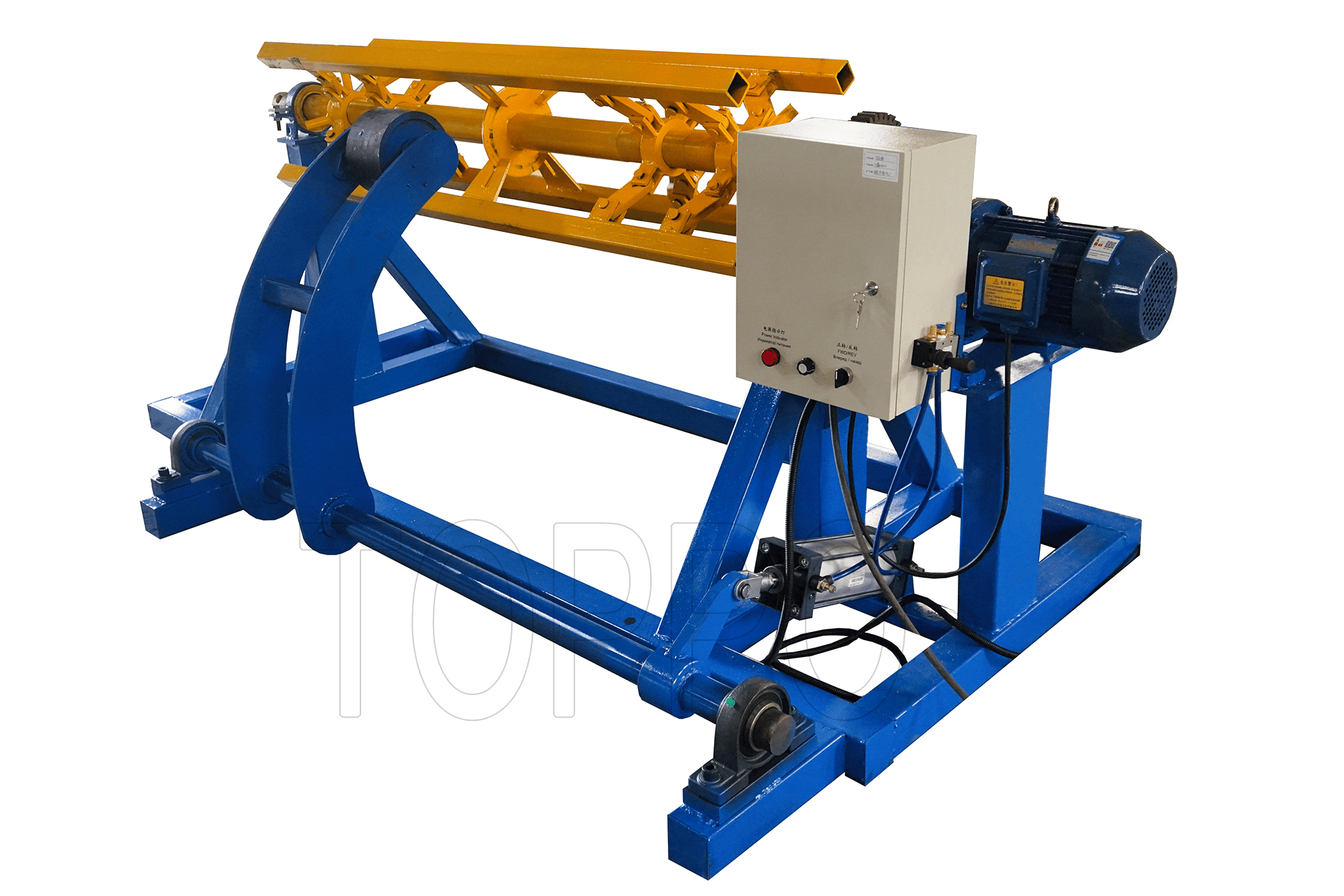
6 Smart Choices of Standing Seam Machines for Different Roofing Business Models
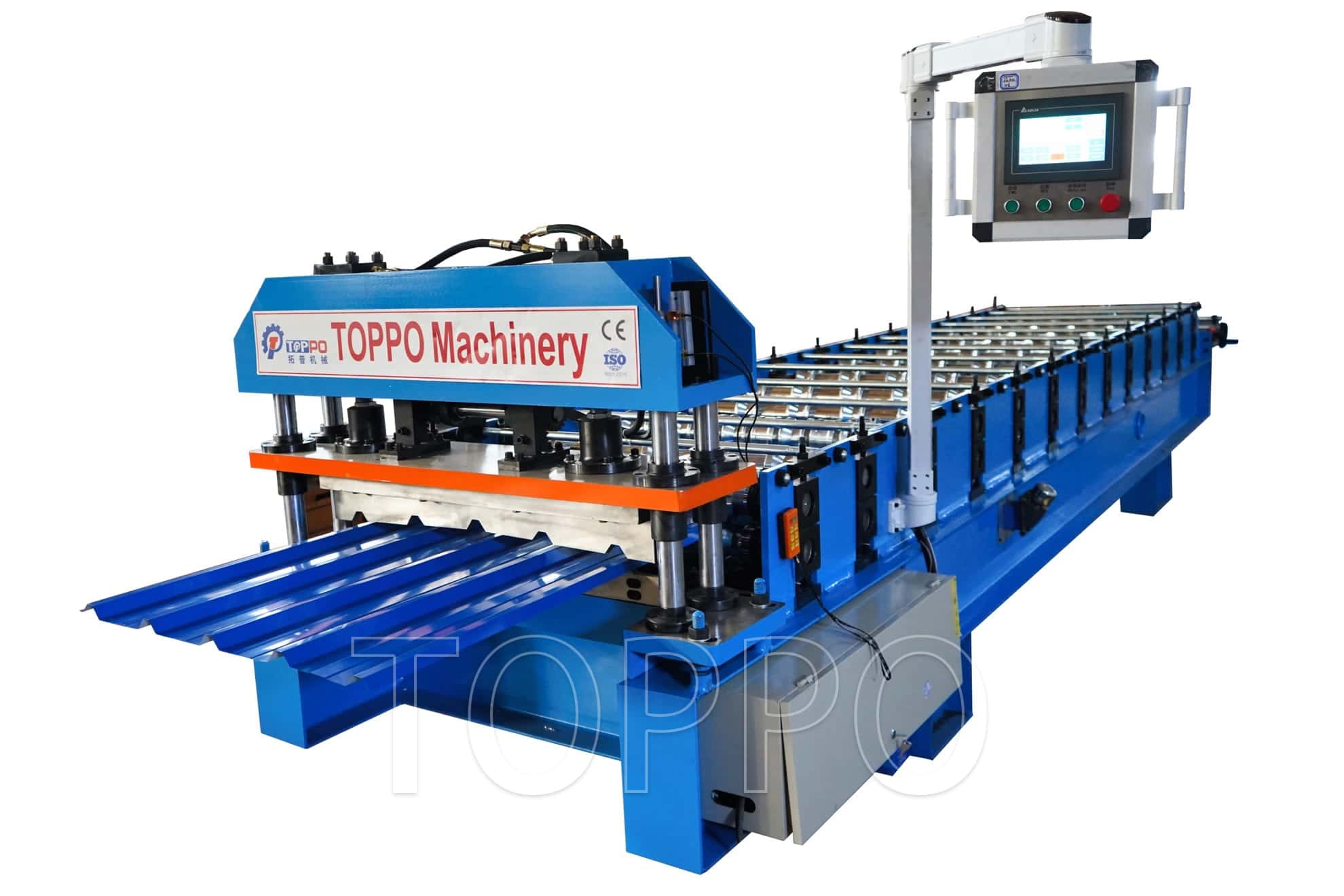
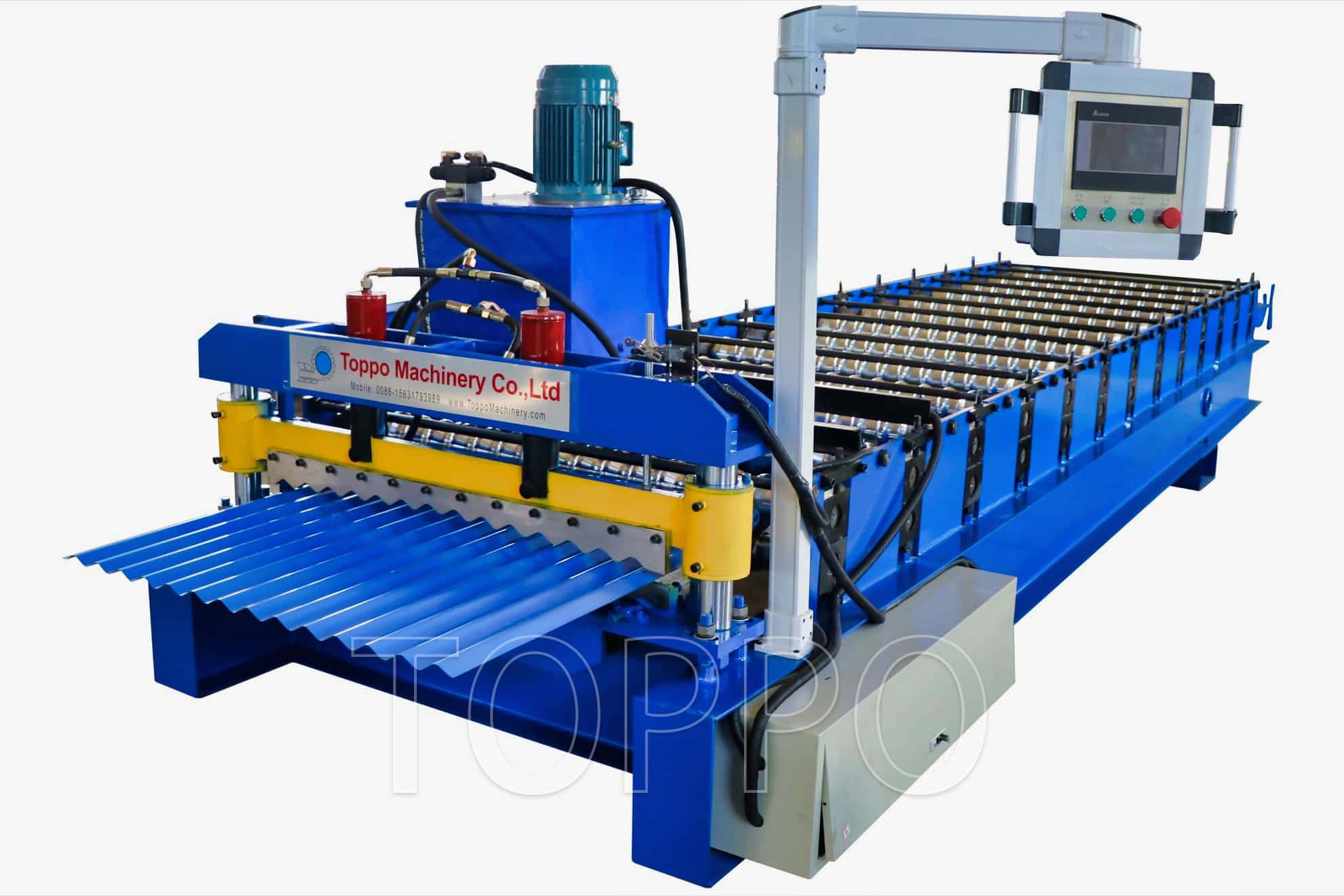
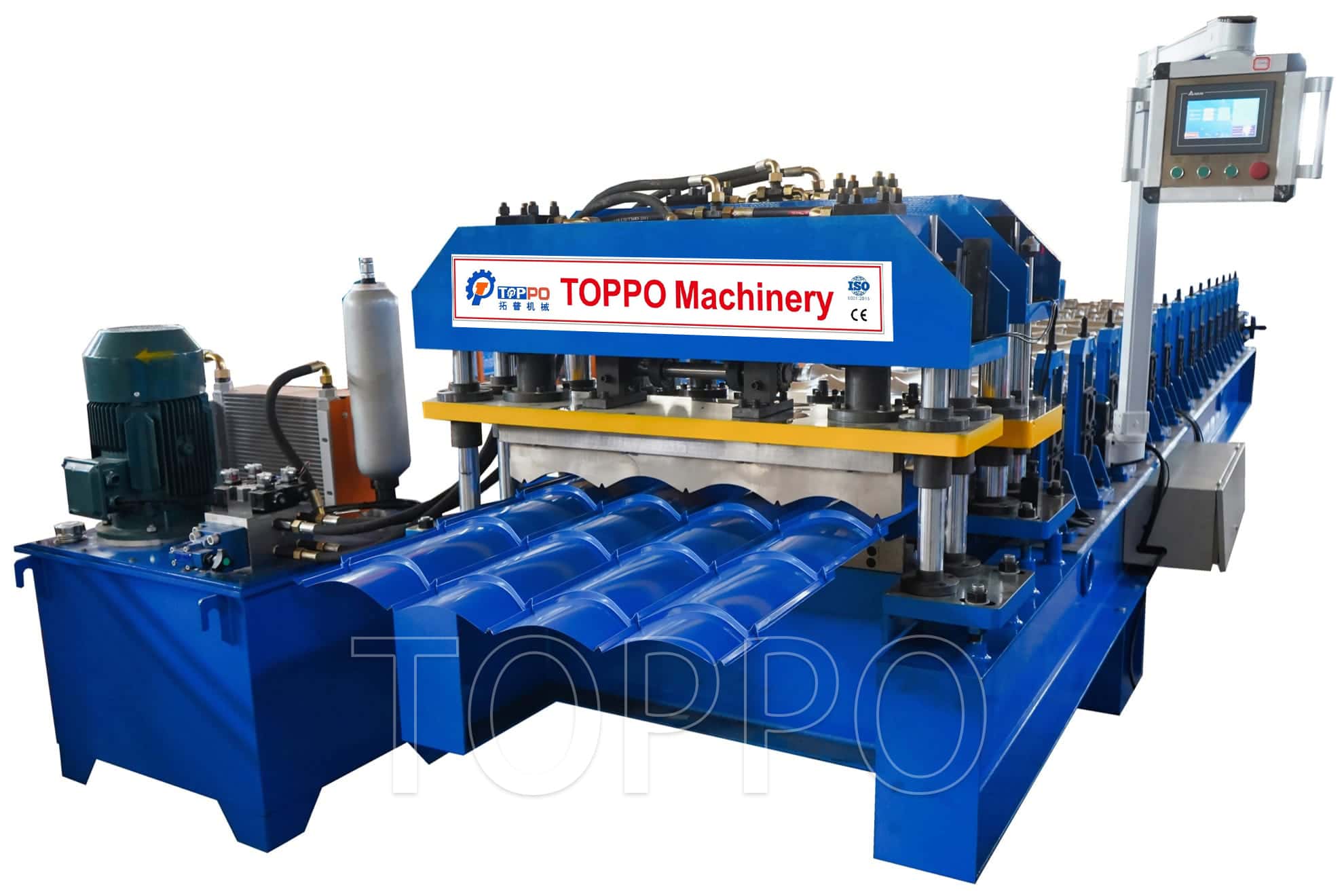
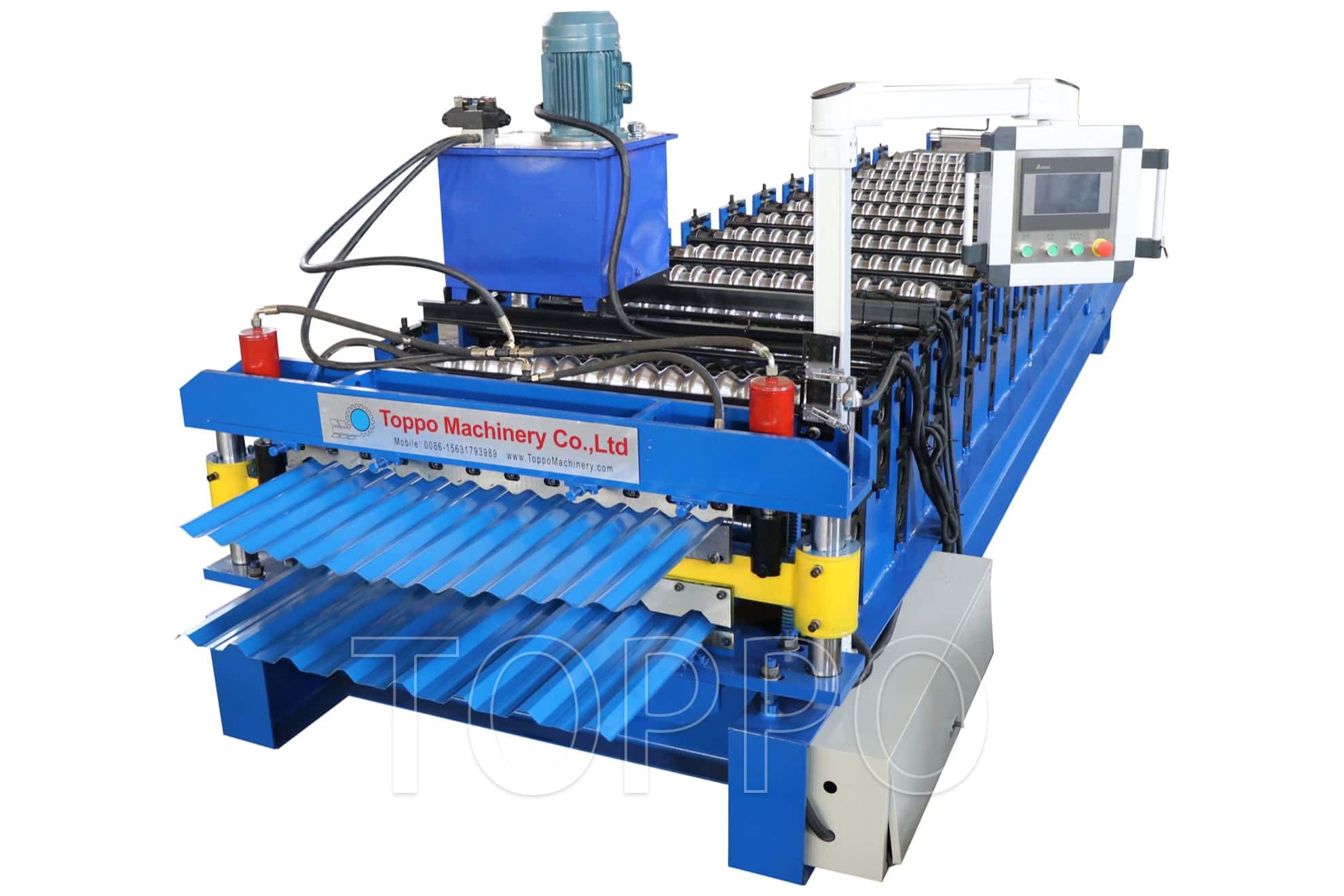
Selecting the right standing seam roof panel roll forming machine is essential for aligning production capabilities with business goals. Whether you are a startup, contractor, or large-scale manufacturer, choosing the correct type of equipment can significantly impact efficiency, cost, and product quality. This article explores six practical machine types, along with implementation steps, common mistakes, and real-world examples.
1. Entry-Level Manual Machines
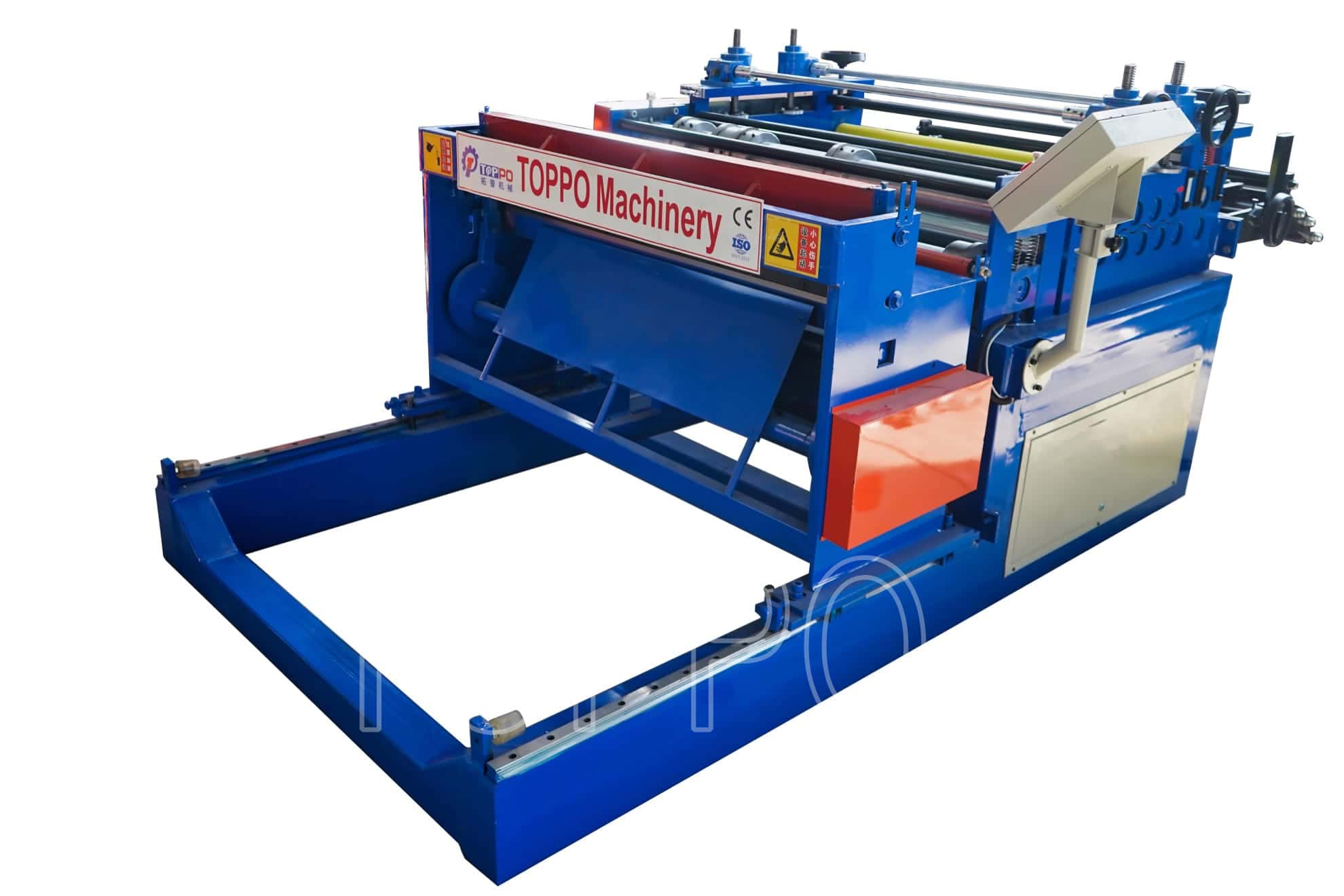
Manual machines are ideal for startups or workshops handling small production volumes.
Implementation steps:
Focus on simple panel designs
Train operators on manual adjustments
Maintain strict quality checks
Common mistake: Using manual machines for bulk orders, causing delays.
2. Semi-Automatic Systems for Growing Businesses
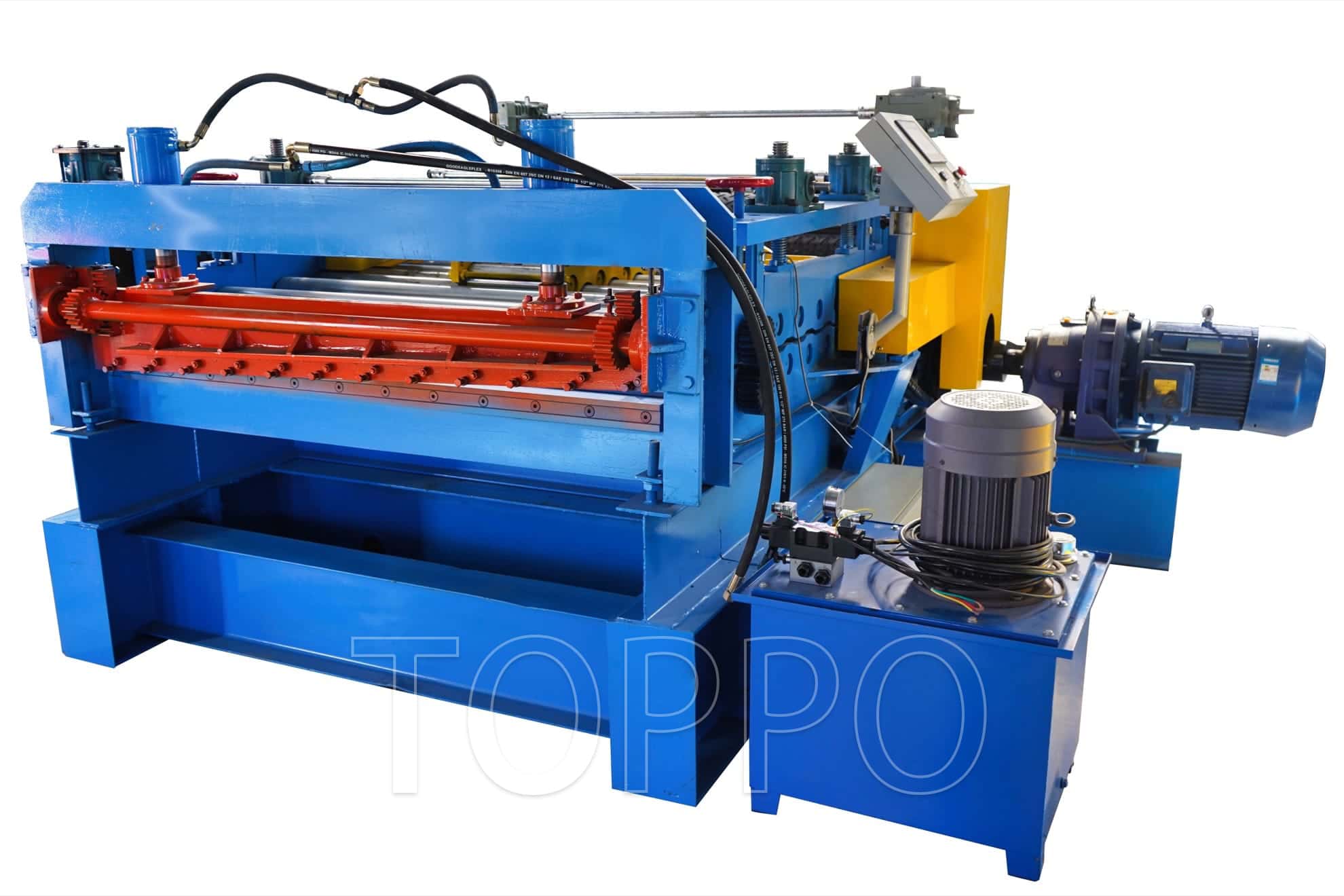
Semi-automatic machines often integrate a roof panel making machine to improve consistency while maintaining flexibility.
Steps:
Automate cutting processes
Record optimal machine parameters
Optimize workflow for efficiency
Case example: A factory in Peru improved production by 26% after upgrading to semi-automatic systems.
3. Fully Automatic Production Lines
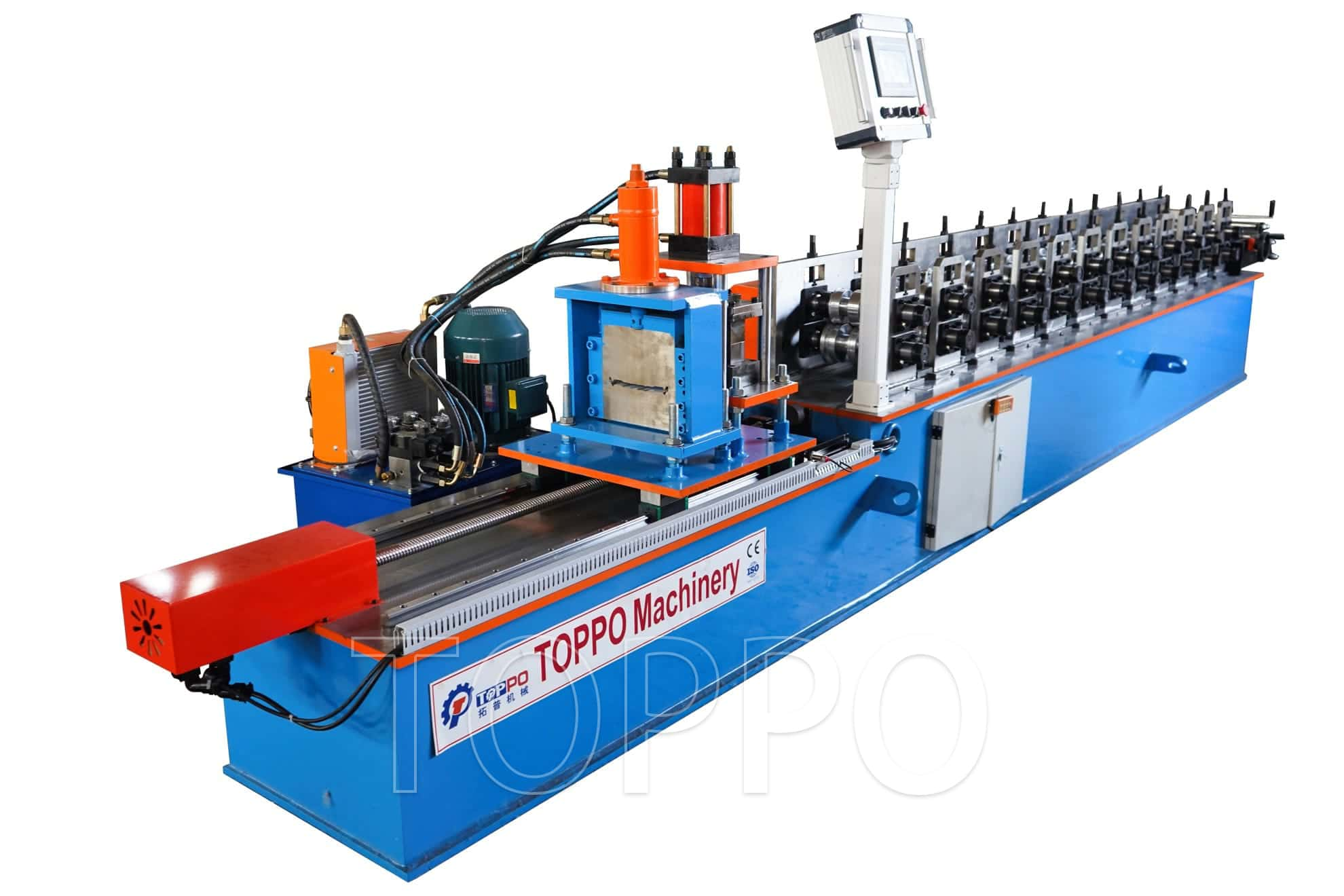
Large-scale manufacturers rely on automated systems built around a standing seam roof panel roll forming machine for maximum efficiency.
Implementation:
Integrate PLC control systems
Use automated feeding and cutting
Monitor production digitally
Common error: Not utilizing full automation capabilities.
4. Portable Machines for On-Site Work
Portable machines allow contractors to produce panels directly at construction sites.
Steps:
Ensure stable power supply
Calibrate machines after transport
Train operators for field conditions
Real-world insight: A Chilean contractor reduced logistics costs by 18% using on-site production.
5. High-Speed Industrial Machines
High-speed systems combine a roof panel making machine with a standing seam roll forming machine to support continuous large-scale production.
Implementation steps:
Optimize production lines for continuous flow
Implement predictive maintenance
Balance speed with material specifications
Common mistake: Running machines at maximum speed without calibration.
6. Customized Machines for Specialized Projects
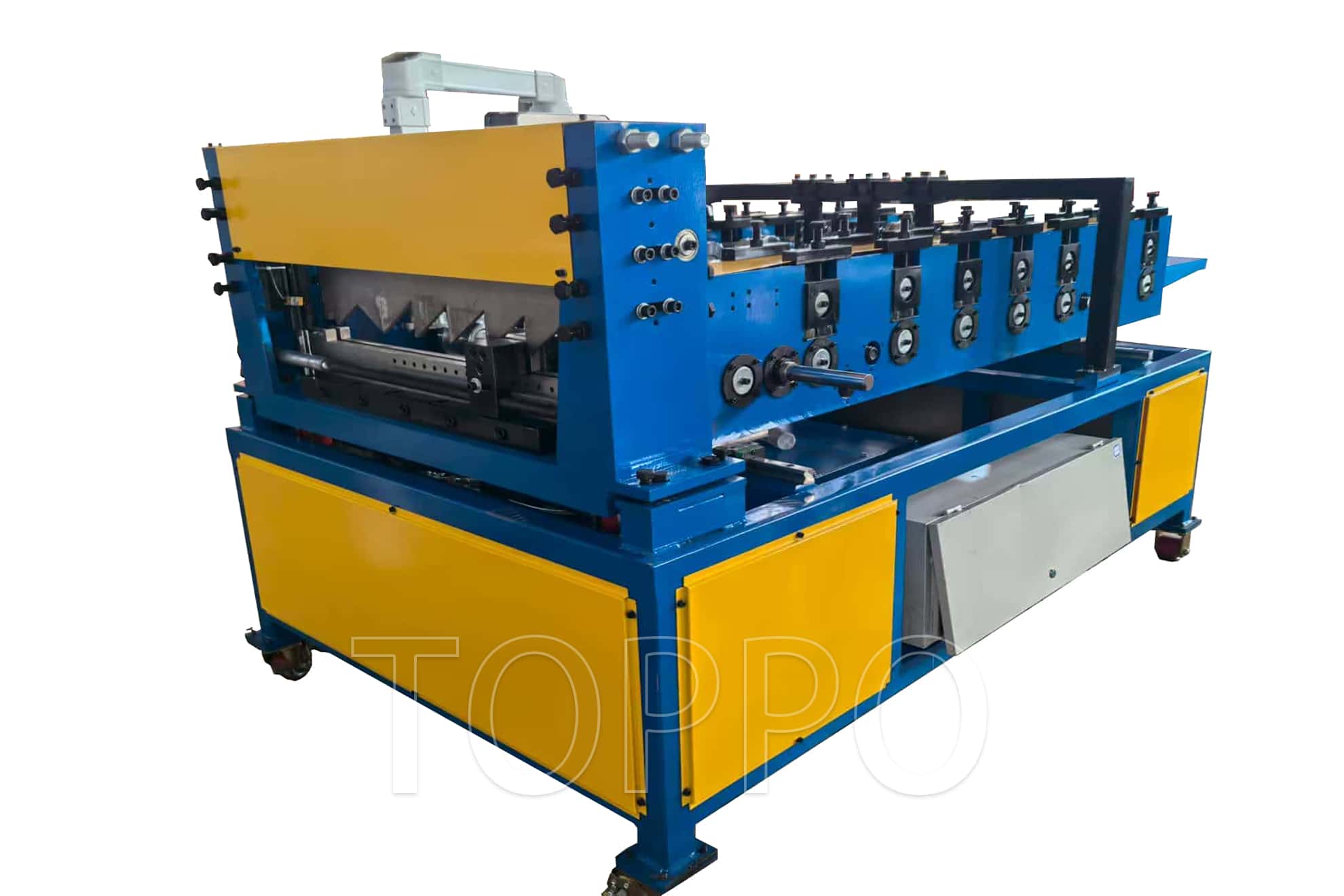
Customized solutions are designed for specific panel designs and production needs, often involving advanced standing seam roll forming machine configurations.
Steps:
Define exact production requirements
Collaborate with suppliers
Test performance before deployment
Case study: A Brazilian manufacturer expanded product offerings by investing in customized equipment.
Key Considerations for Selection
When choosing a standing seam roof panel roll forming machine, consider:
Production volume
Automation level
Material compatibility
Future scalability
Supplier support
Conclusion
Understanding different types of standing seam machines helps businesses make informed investment decisions. By selecting the right standing seam roof panel roll forming machine and implementing it effectively, manufacturers can improve efficiency, reduce costs, and enhance product quality. Avoiding common mistakes and learning from real-world cases ensures long-term success.
Tags: standing seam roof panel roll forming machine, roof panel making machine, standing seam roll forming machine, standing seam machine types, roofing equipment, roll forming solutions
READ MORE: