What Are the Key Differences Between Single and Double Layer Roofing Machines? A Focus on High Speed Metal Steel Trapezoidal Roof Panel Tile Making Machine Technology
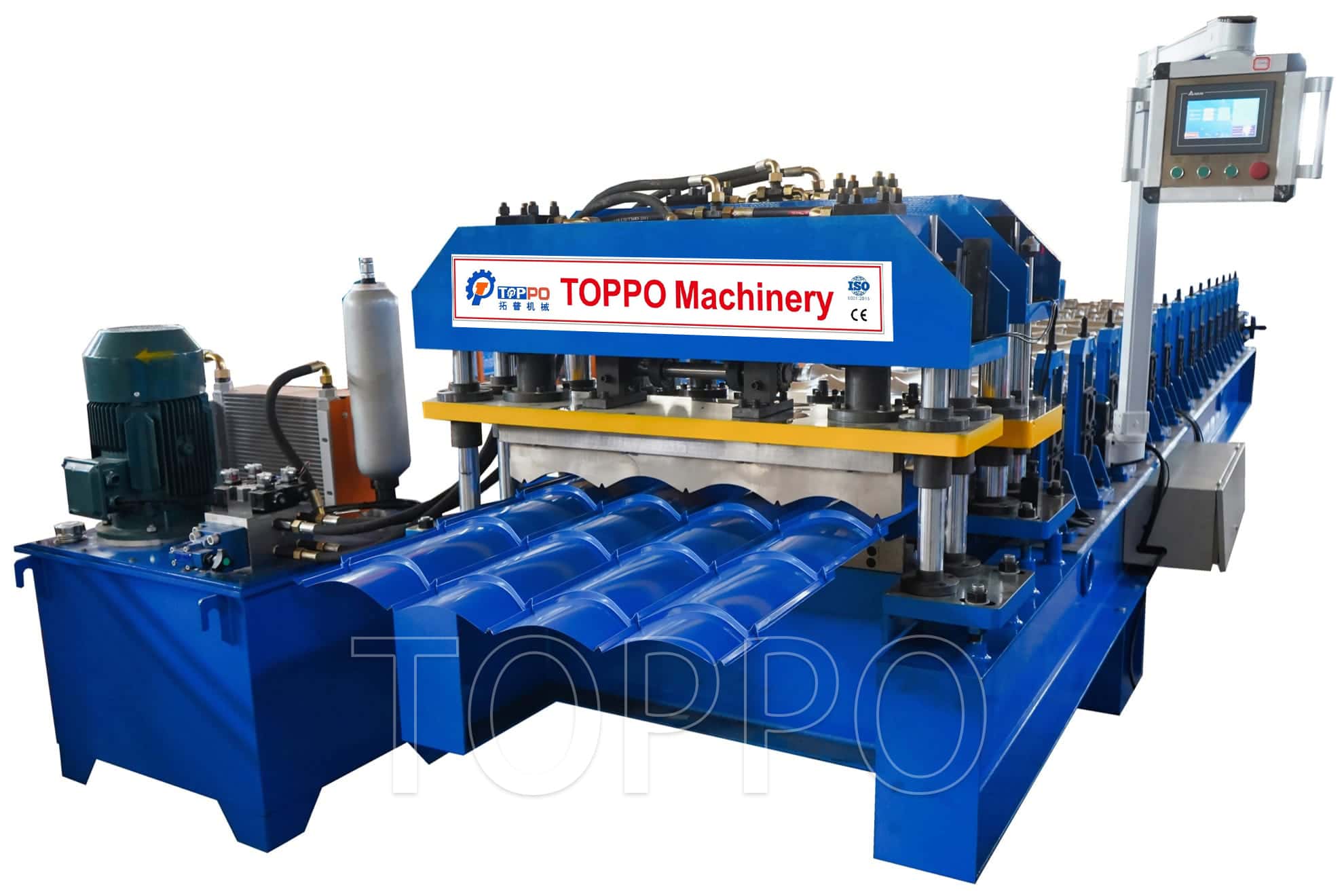
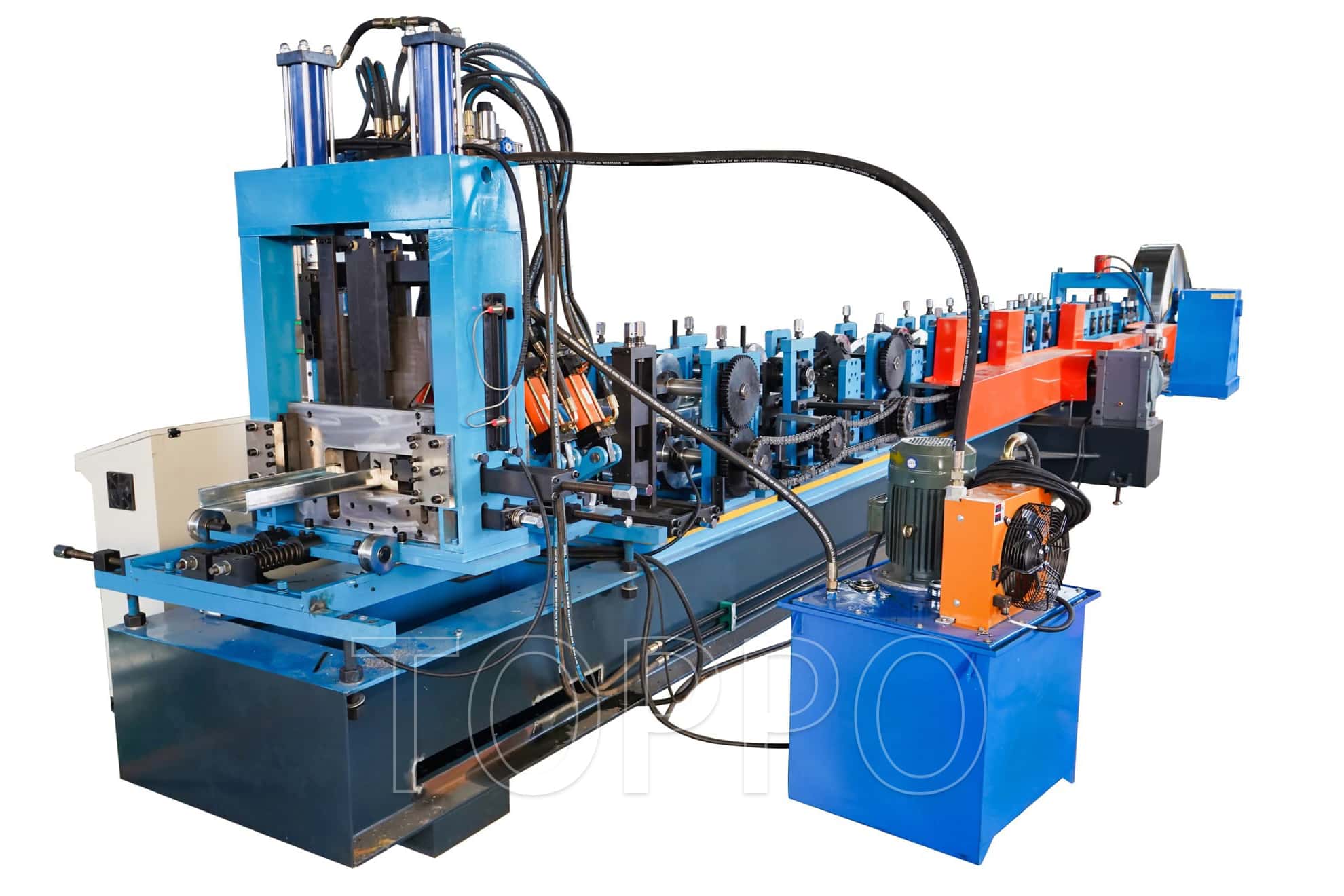
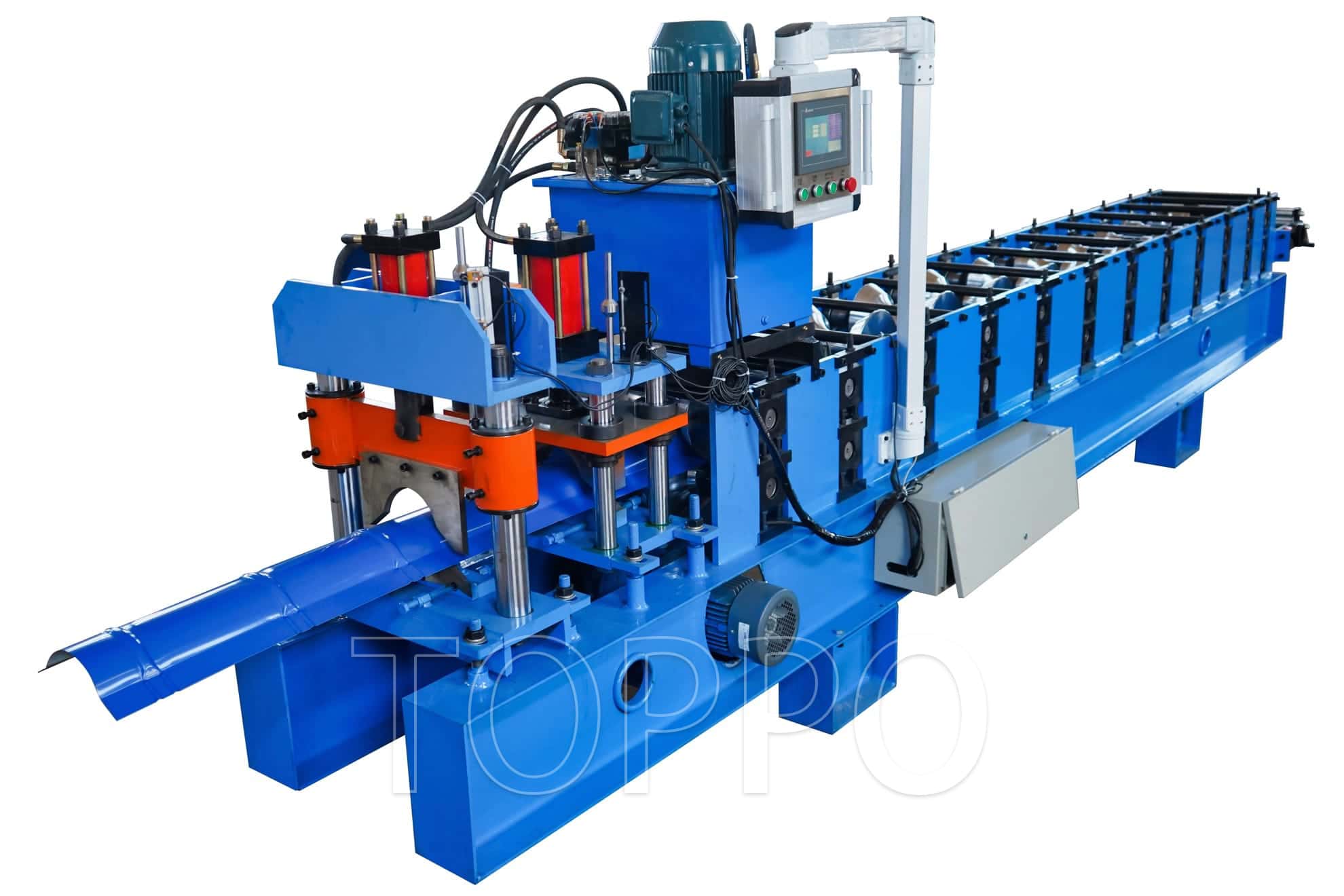
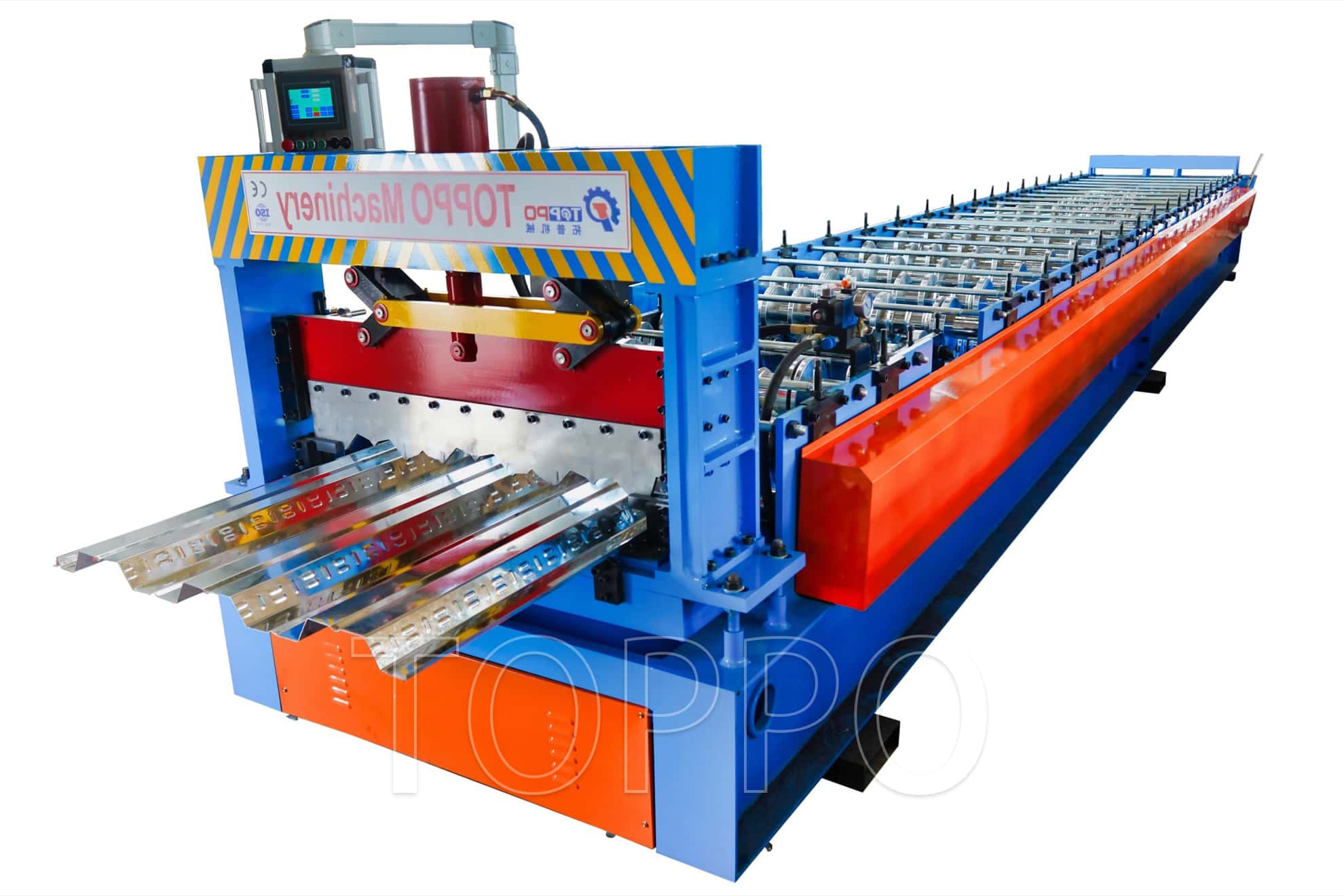
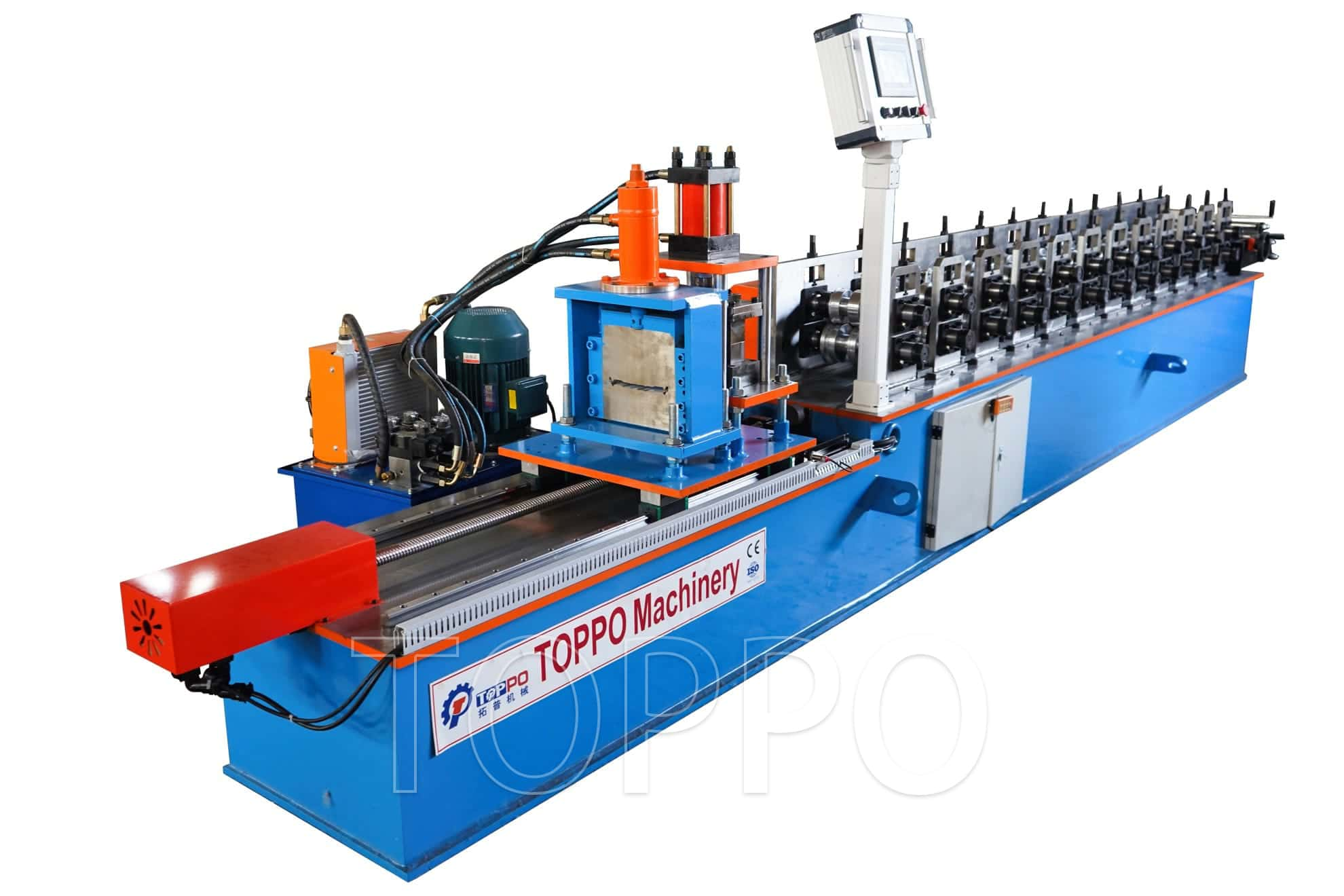
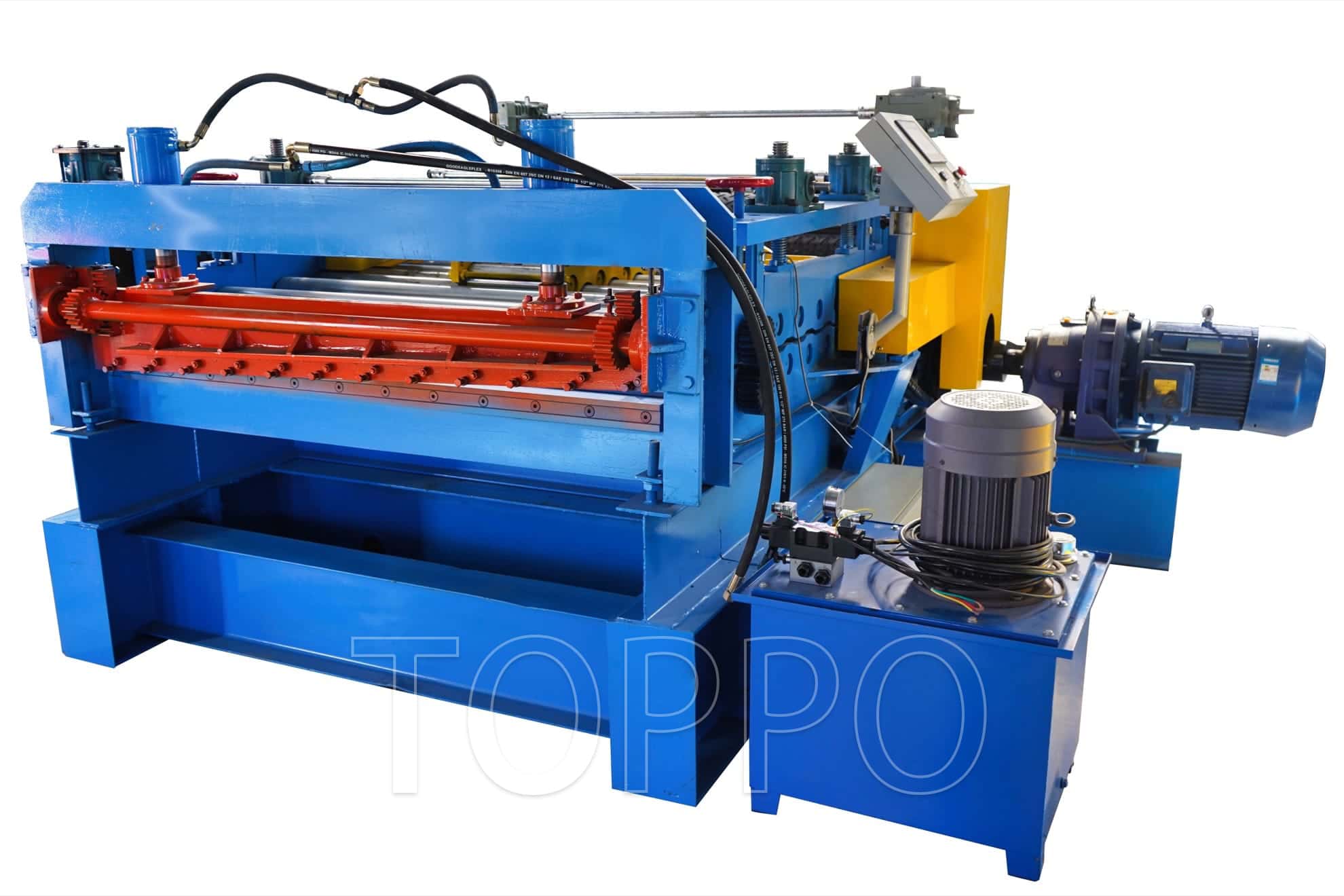
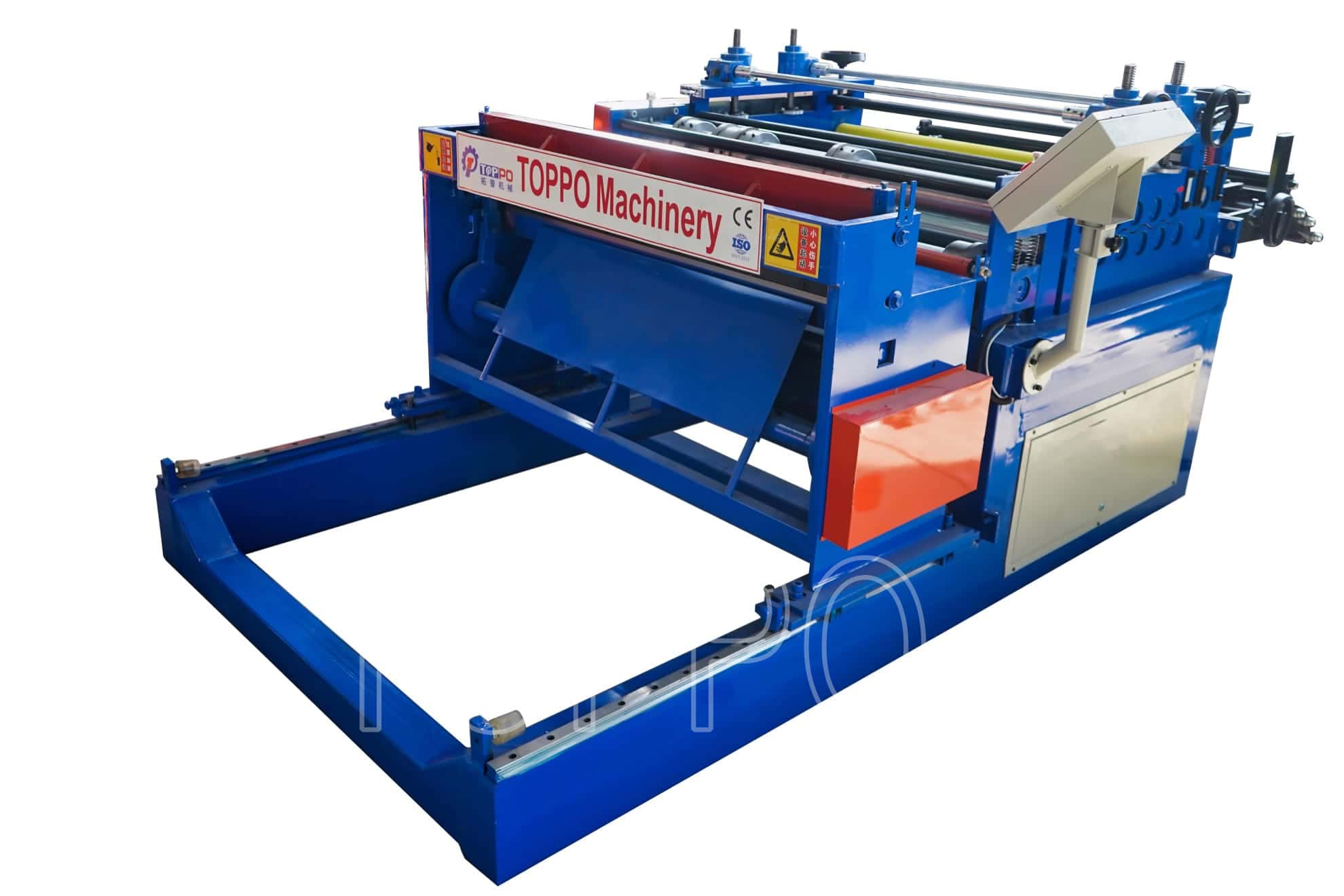
High speed metal steel trapezoidal roof panel tile making machine systems are widely used in modern roofing production lines, but manufacturers often face an important decision: should they invest in a single layer or double layer roofing machine? Understanding the structural, operational, and financial differences between these two configurations is essential for optimizing factory performance. Whether paired with a high speed trapezoidal roof tile making machine or an automatic trapezoidal roof tile machine, each setup offers unique advantages depending on production needs.
Structural Design Differences
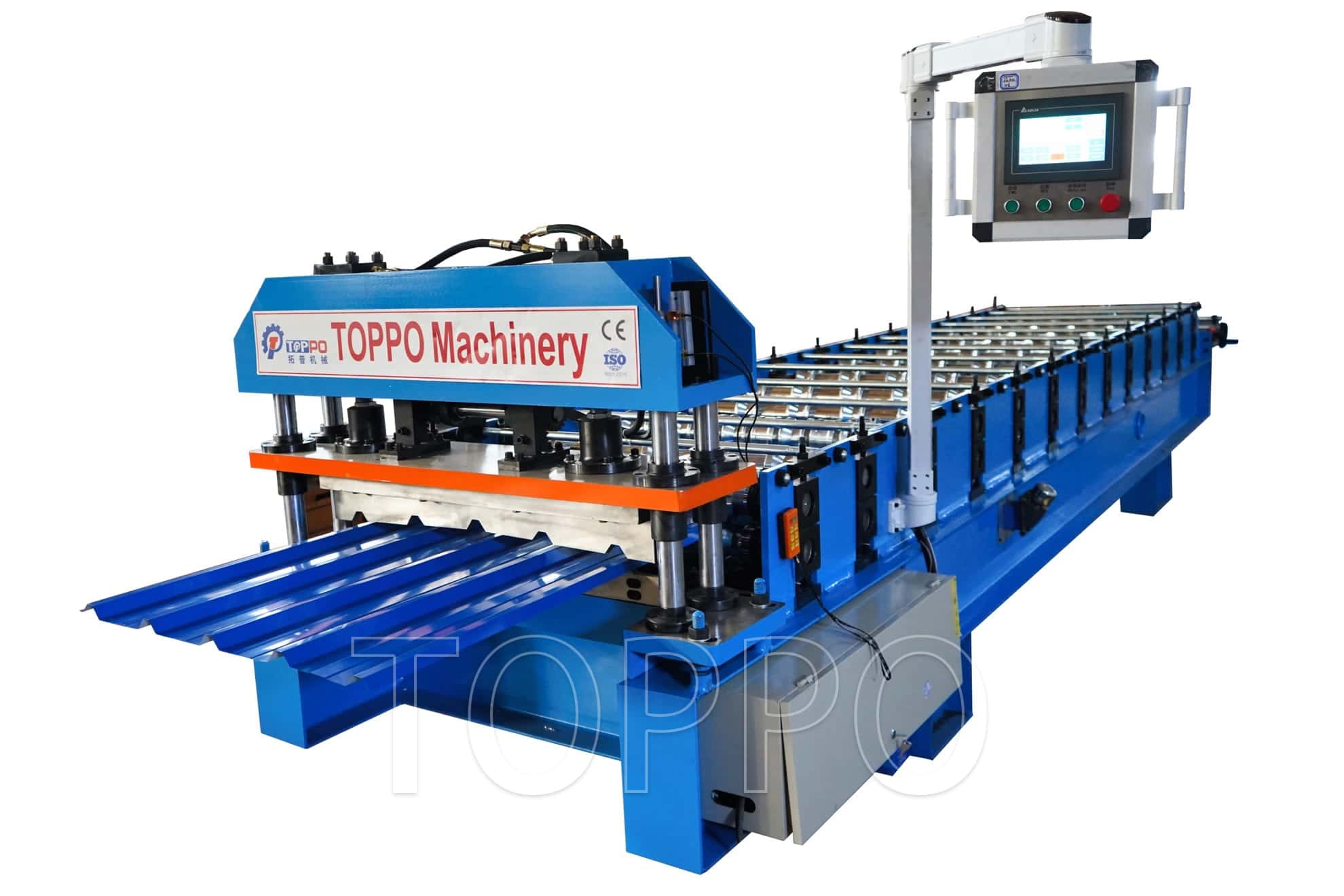
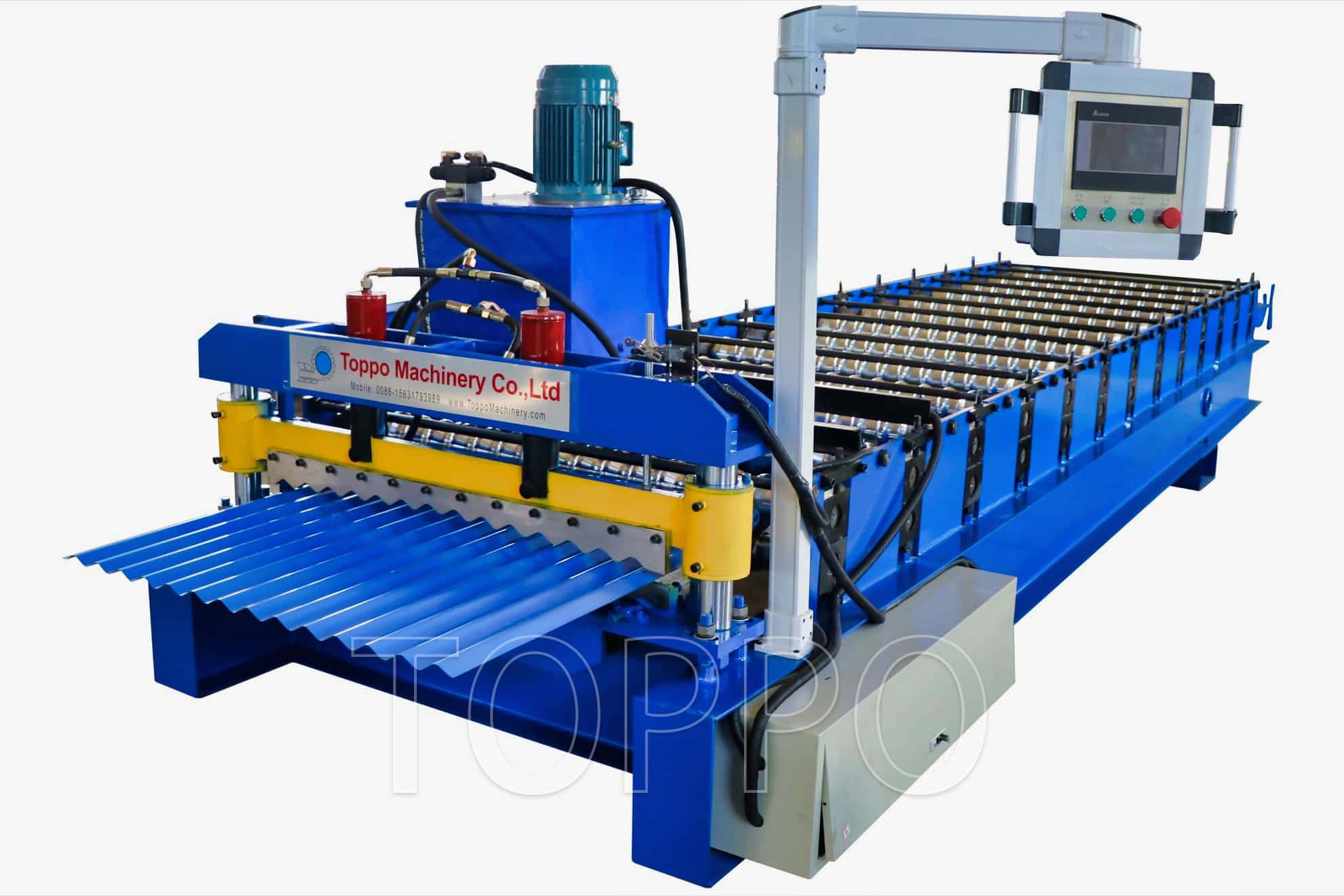
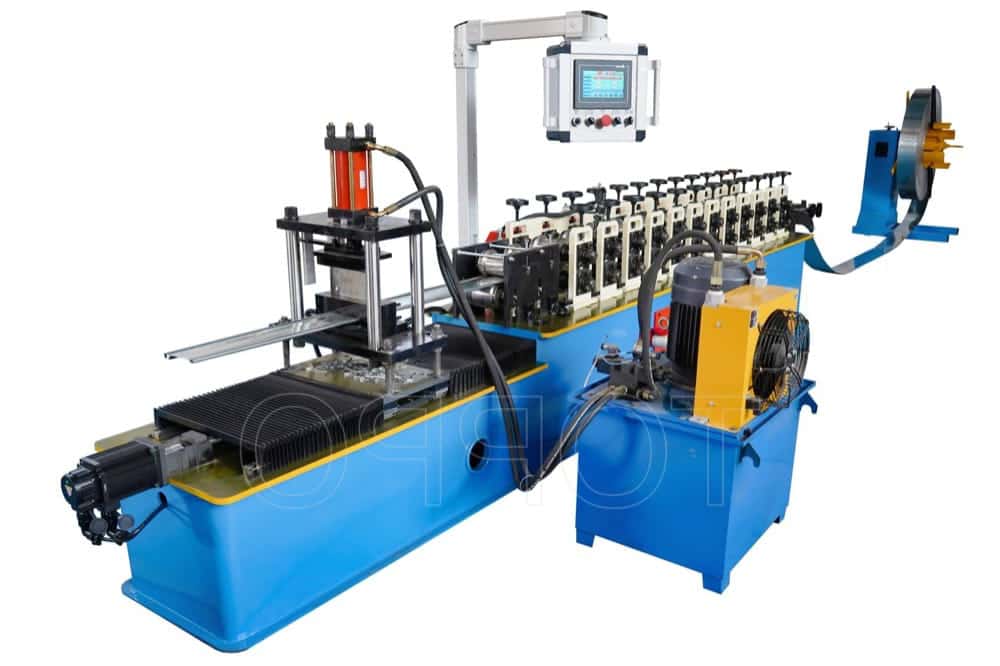
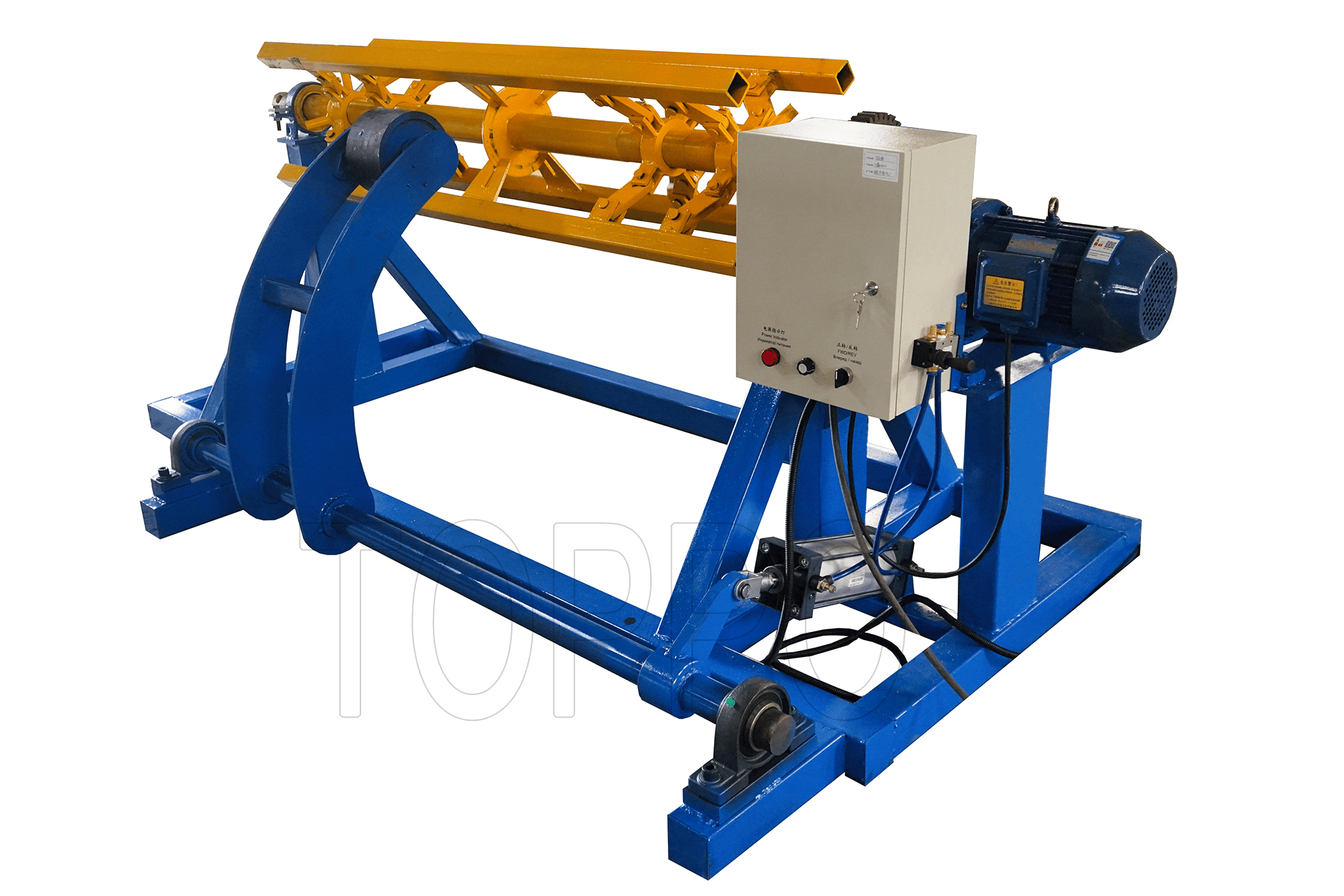
The most obvious difference between single and double layer roofing machines lies in their structural configuration. A single layer machine is designed to produce one roofing profile at a time. It typically includes decoiling, feeding, forming, cutting, and run-out systems arranged in a linear layout.
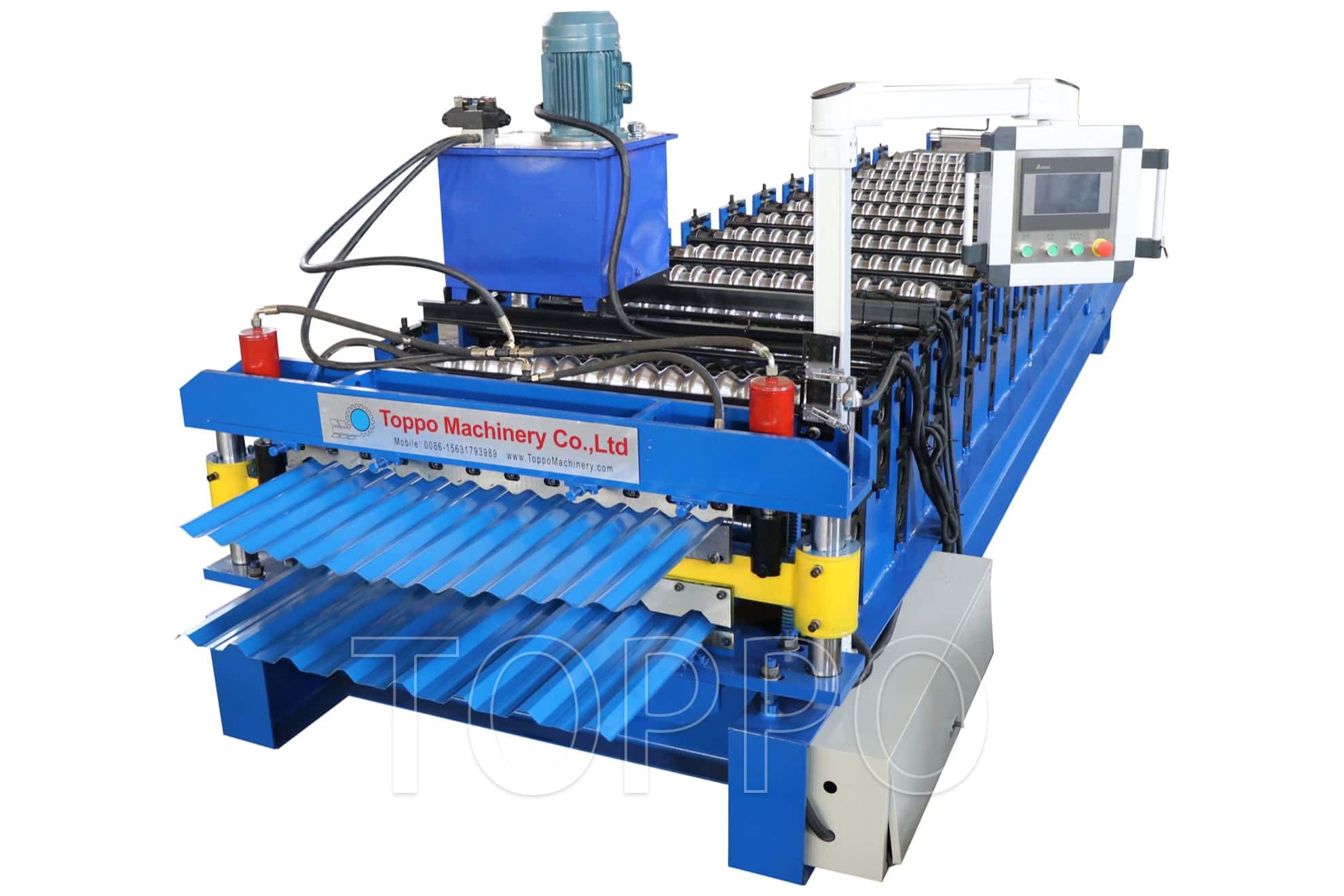
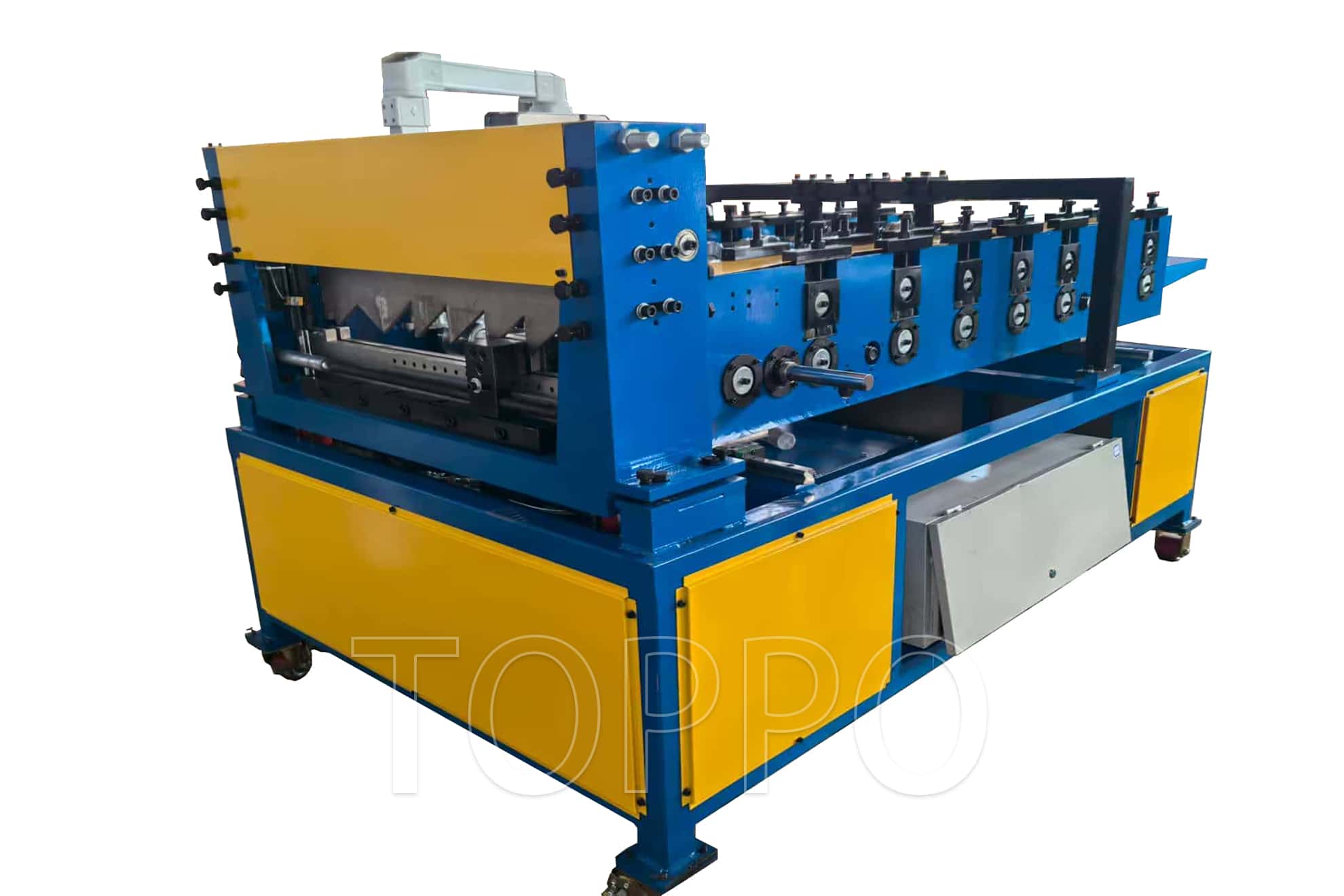
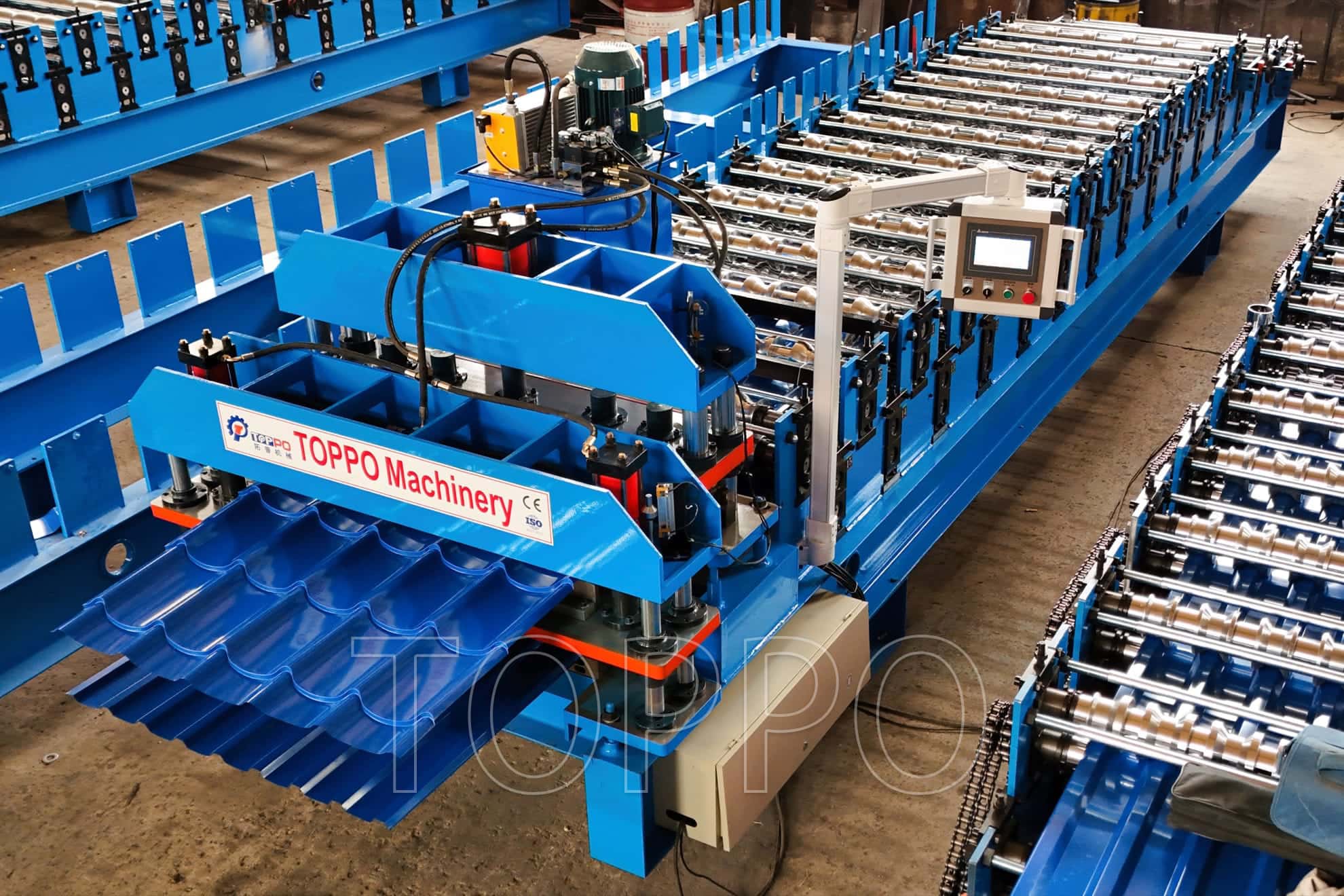
In contrast, a double layer system integrates two roll forming layers within one machine frame. A high speed metal steel trapezoidal roof panel tile making machine configured as a double layer unit allows manufacturers to produce two different roofing profiles—such as trapezoidal and corrugated sheets—without installing separate production lines.
When equipped with a high speed trapezoidal roof tile making machine, the upper or lower layer can be selected based on demand. The automatic trapezoidal roof tile machine ensures smooth switching between profiles through PLC-controlled adjustments.
Production Flexibility
Single layer machines are ideal for factories that focus on high-volume production of one specific roofing profile. If demand remains stable, a high speed metal steel trapezoidal roof panel tile making machine in single layer format can deliver consistent output with minimal complexity.
However, double layer systems offer greater flexibility. Manufacturers can respond quickly to market changes without investing in an additional machine. The high speed trapezoidal roof tile making machine in a double layer configuration allows fast profile changeover. Meanwhile, the automatic trapezoidal roof tile machine ensures accurate length control and synchronized cutting for both layers.
Space Utilization
Factory space plays a critical role in equipment selection. A single layer high speed metal steel trapezoidal roof panel tile making machine requires dedicated floor space for each profile produced. If multiple profiles are needed, separate machines must be installed.
Double layer systems are more space-efficient. By stacking two forming systems within a single frame, manufacturers reduce overall footprint. The high speed trapezoidal roof tile making machine operates within the same structural base, while the automatic trapezoidal roof tile machine manages cutting functions for both layers. This design is particularly beneficial for small or medium-sized factories with limited workshop space.
Investment and Cost Considerations
From a financial perspective, single layer machines generally involve lower initial investment per unit. A standalone high speed metal steel trapezoidal roof panel tile making machine may be more affordable for startups focusing on a single product line.
However, when multiple profiles are required, purchasing two single layer machines increases total capital expenditure. A double layer solution with a high speed trapezoidal roof tile making machine can reduce equipment costs by combining two systems into one. The automatic trapezoidal roof tile machine further reduces labor and maintenance expenses through automation.
Maintenance and Operation
Single layer machines are often simpler to maintain due to their straightforward structure. A high speed metal steel trapezoidal roof panel tile making machine in single configuration typically requires less complex troubleshooting.
Double layer systems, while more versatile, may require more careful maintenance planning due to integrated components. Nevertheless, with a high speed trapezoidal roof tile making machine and an automatic trapezoidal roof tile machine equipped with modern control systems, operational stability remains high and downtime can be minimized.
Which Option Is Right?
The decision between single and double layer roofing machines depends on production volume, available space, budget, and market demand. A high speed metal steel trapezoidal roof panel tile making machine in single layer form is ideal for specialized, high-volume operations. Meanwhile, manufacturers seeking versatility and space efficiency may benefit from a double layer configuration paired with a high speed trapezoidal roof tile making machine and an automatic trapezoidal roof tile machine.
Conclusion
Understanding the differences between single and double layer roofing machines is crucial for strategic investment planning. A high speed metal steel trapezoidal roof panel tile making machine provides reliable production in both configurations, while a high speed trapezoidal roof tile making machine and an automatic trapezoidal roof tile machine enhance flexibility and automation. By carefully evaluating operational requirements, manufacturers can select the solution that maximizes efficiency, profitability, and long-term growth.
READ MORE: