- Trapezoidal Machine
- Corrugated Machine
- Glazed Tile Machine
- Double Layer Machine
- CZU Purlin Machine
- Ridge Cap Machine
- Floor Decking Machine
- Rolling Door Machine
- Fence Machine
- Embossing Machine
- Standing Seam Machine
- Cut To Length And Slitting Line
- Guard Rail Machine
- Decoiler And Stacker
- Stud And Track Machine
- Gutter And DownPipe
- Curving Machine
- Cladding Panel Machine
- Corollary Equipment
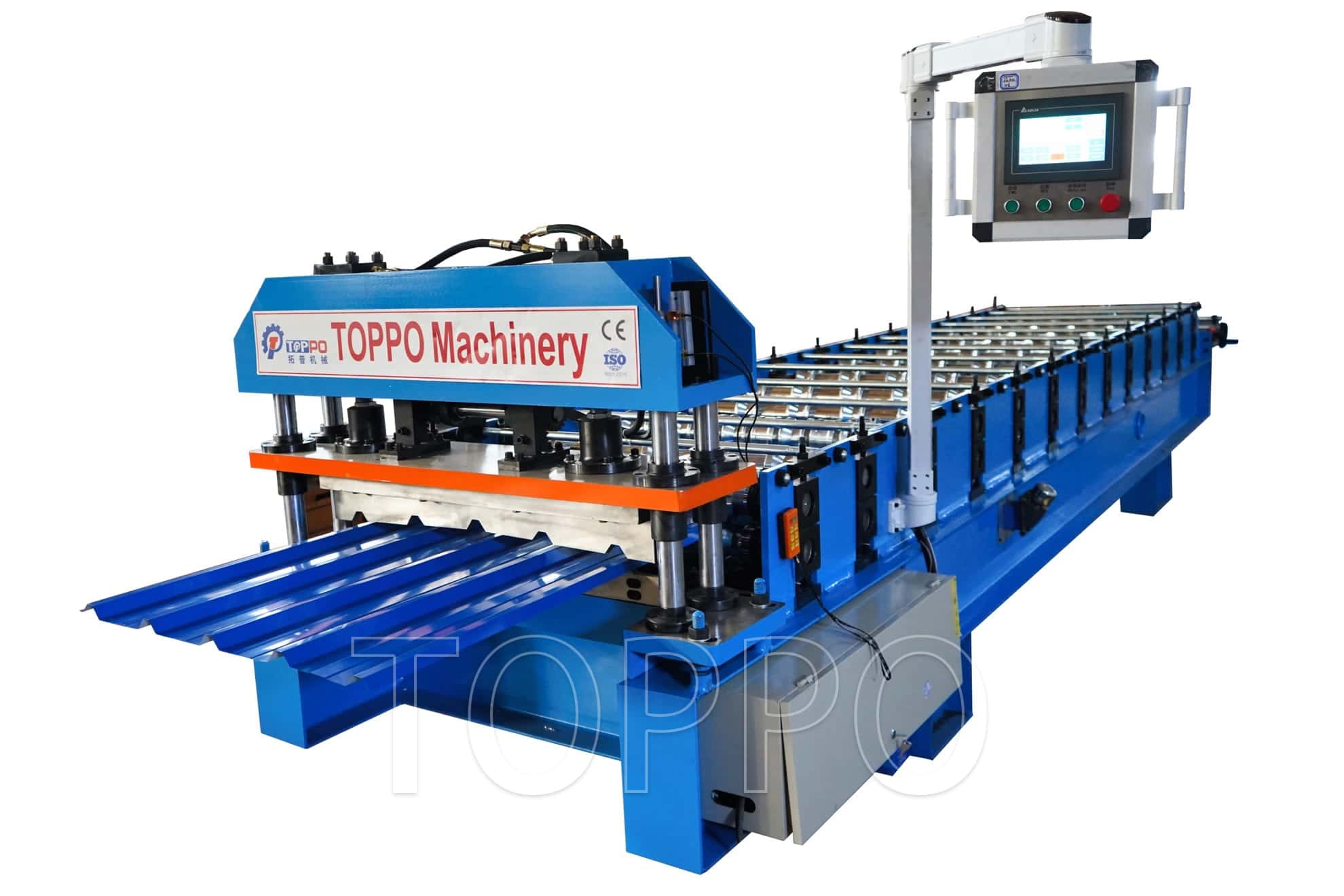
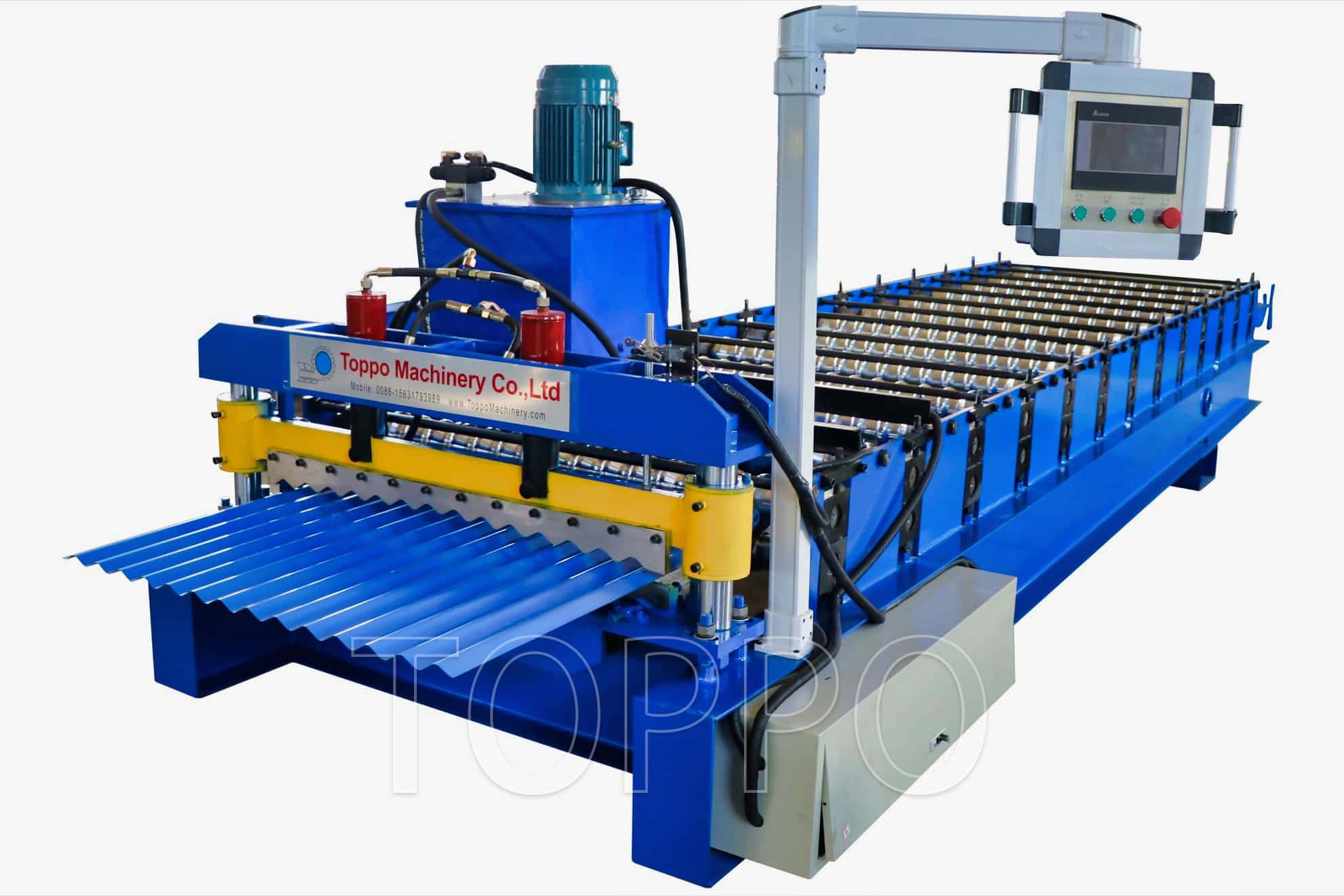
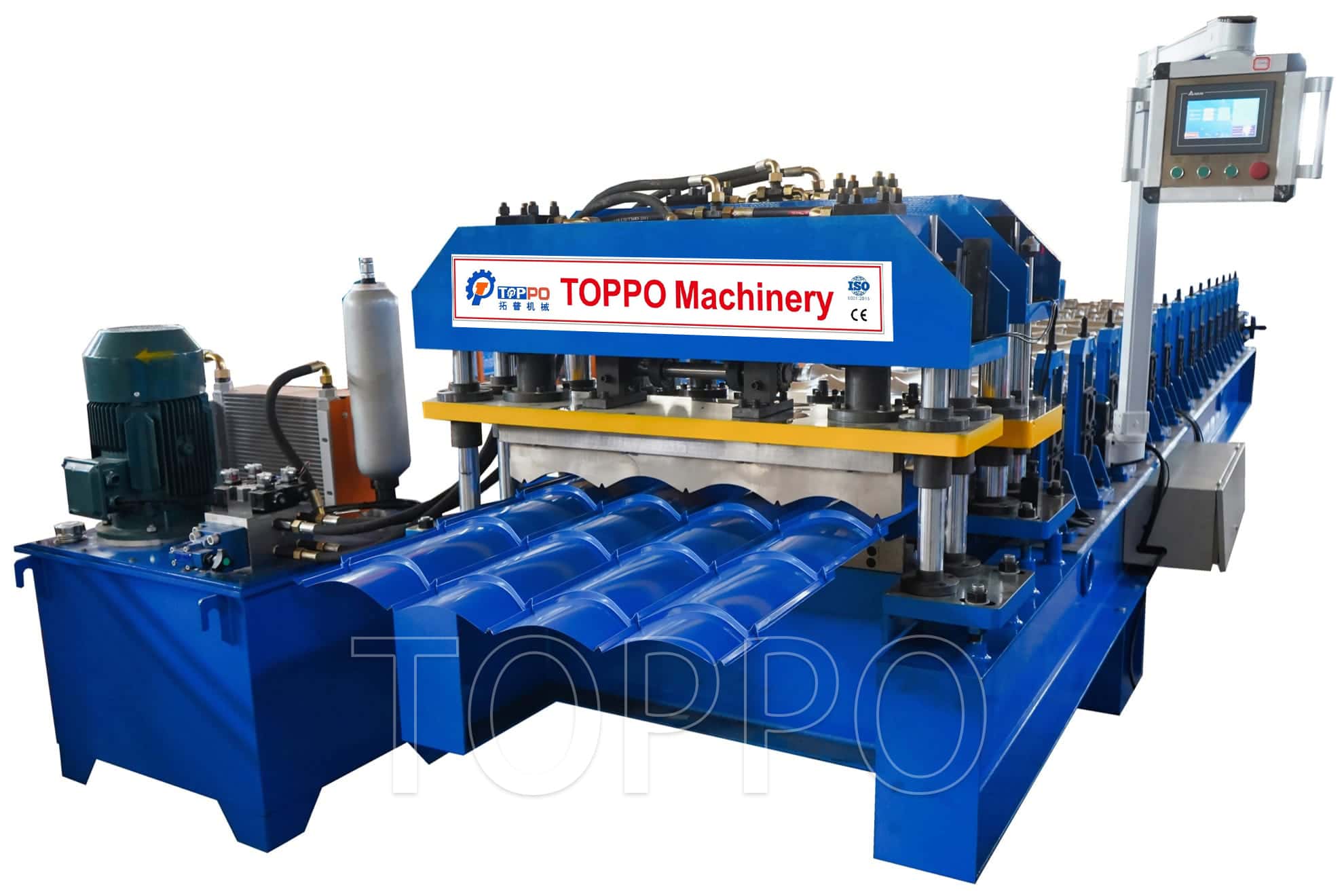
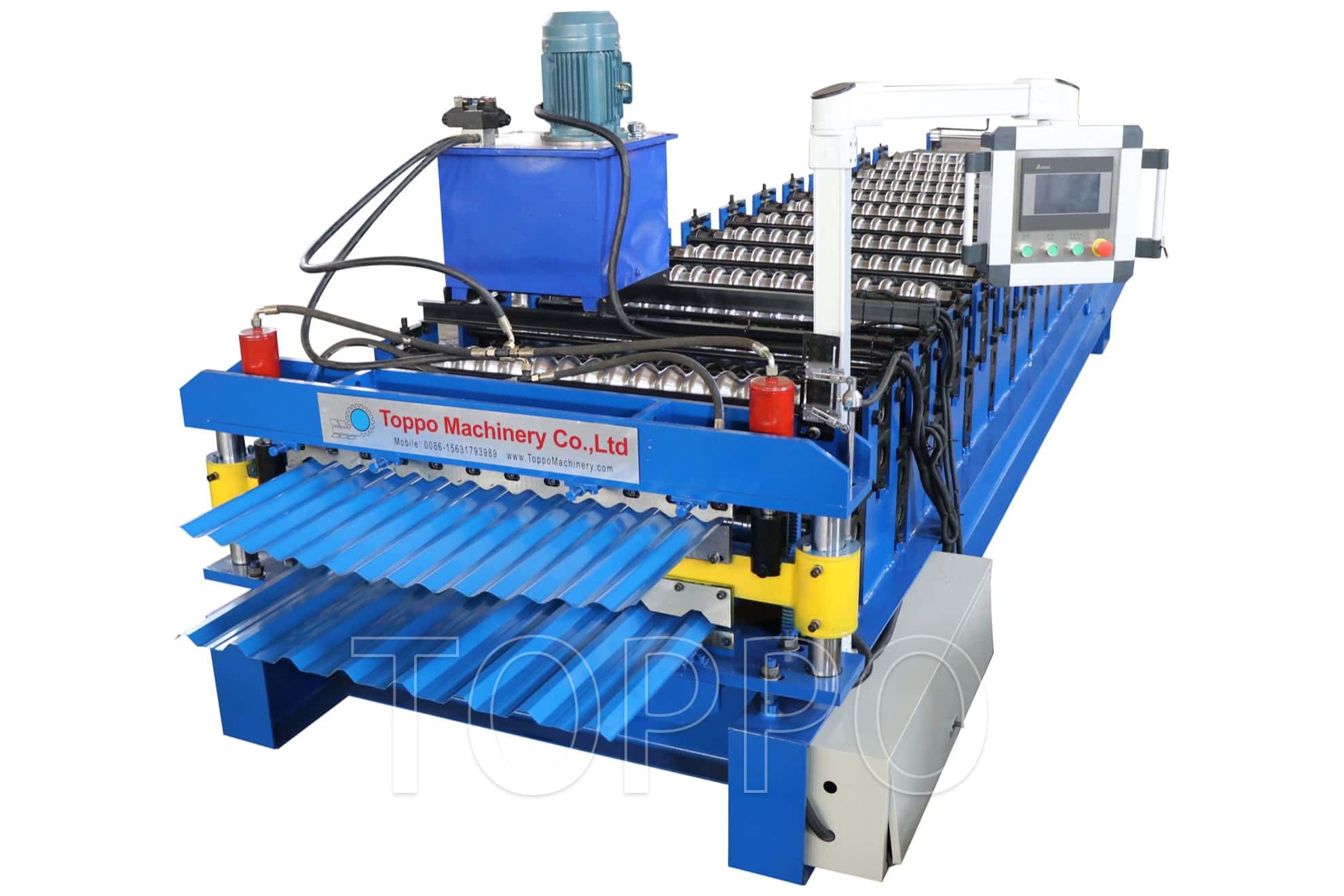


Why Roofing Sheet Distributors Should Treat Roll Forming Investment as an Operational Strategy, Not Just a Purchase
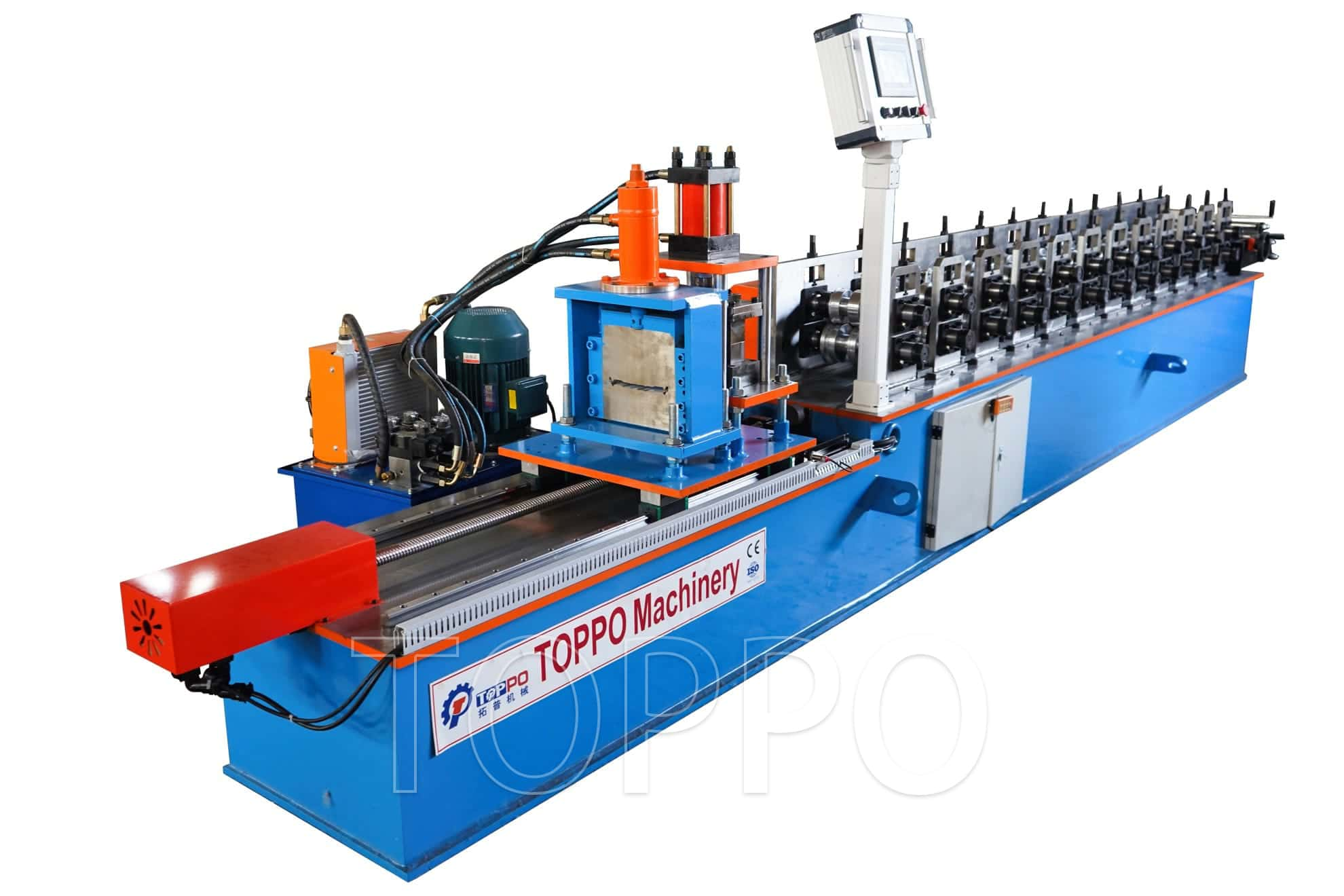
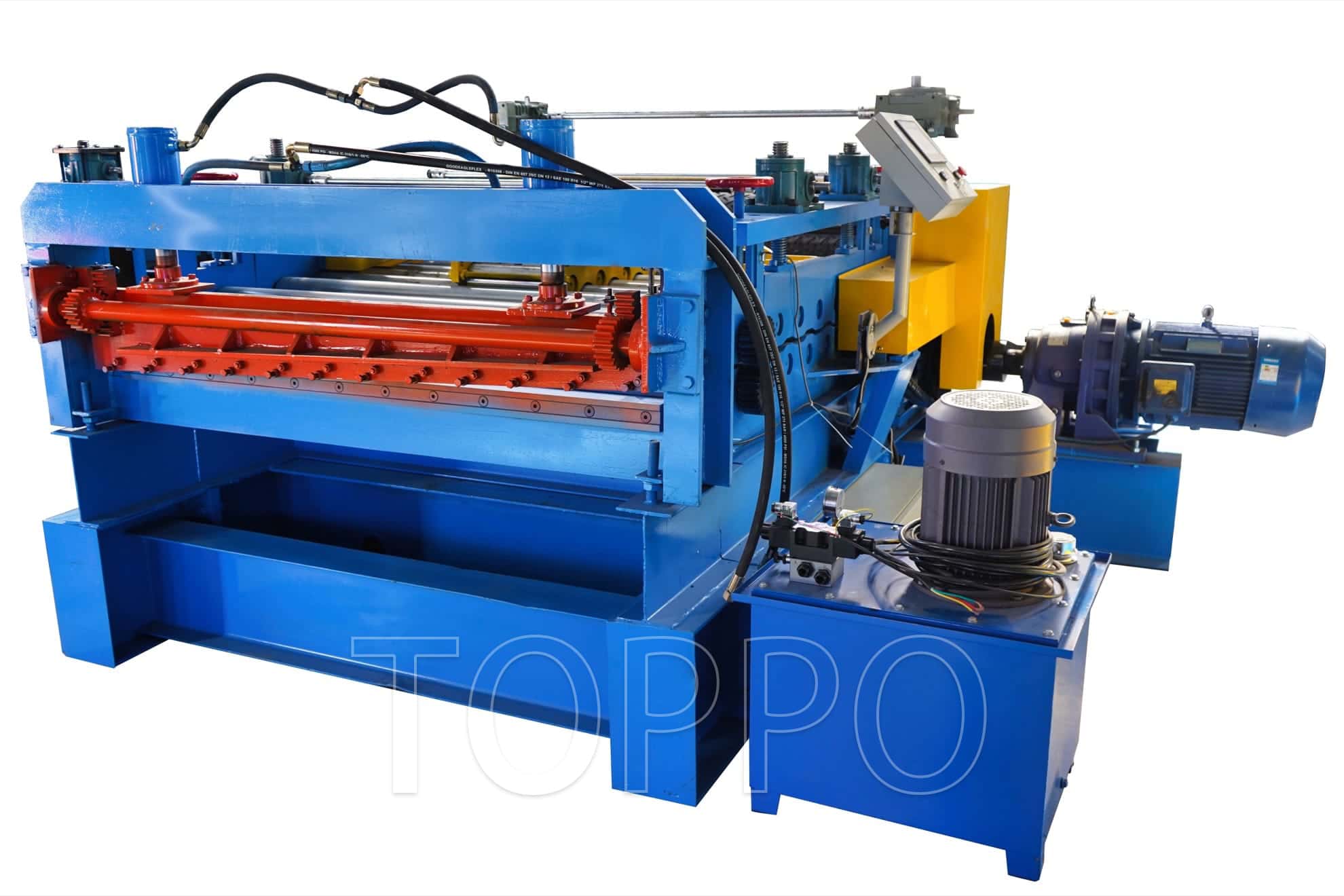
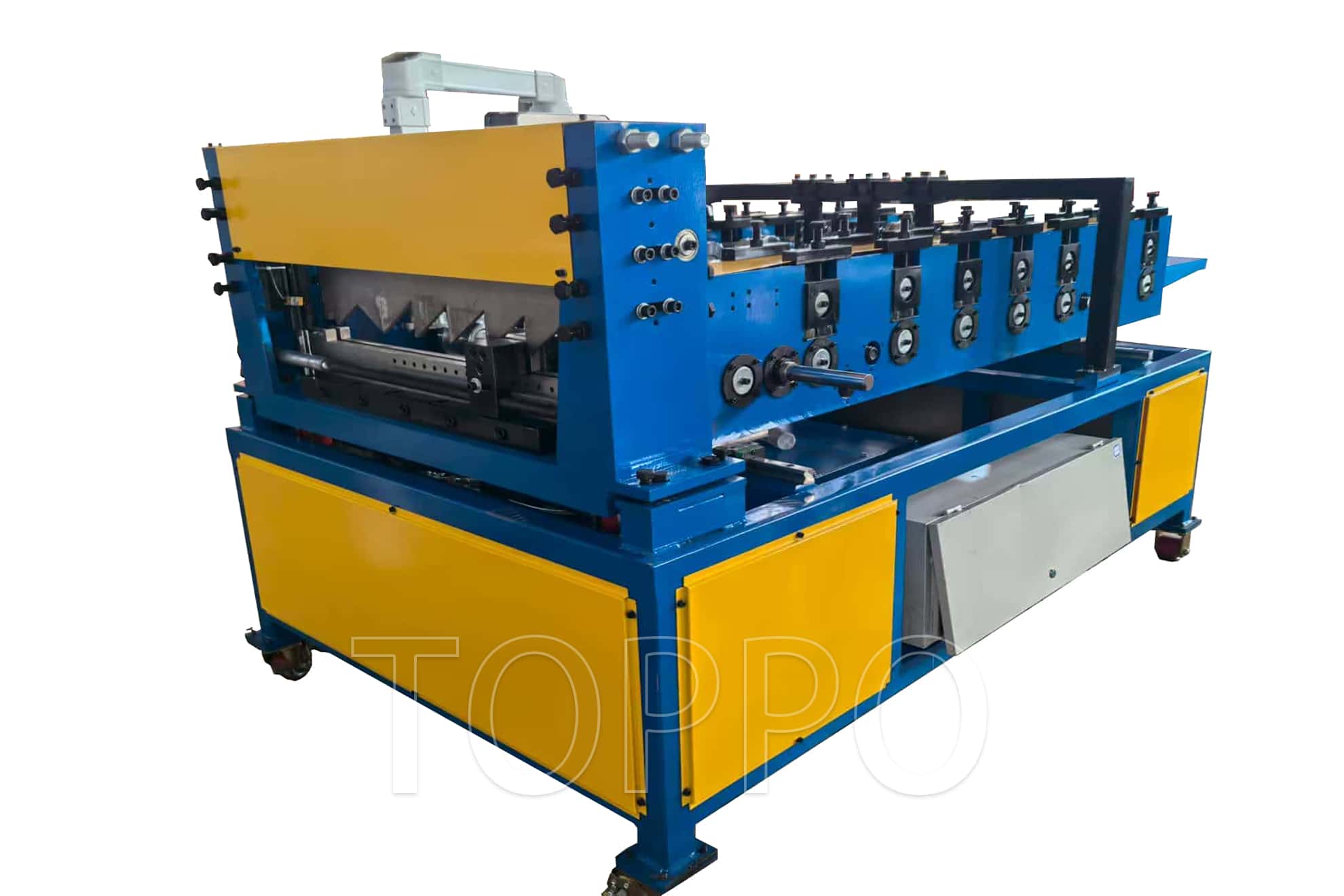
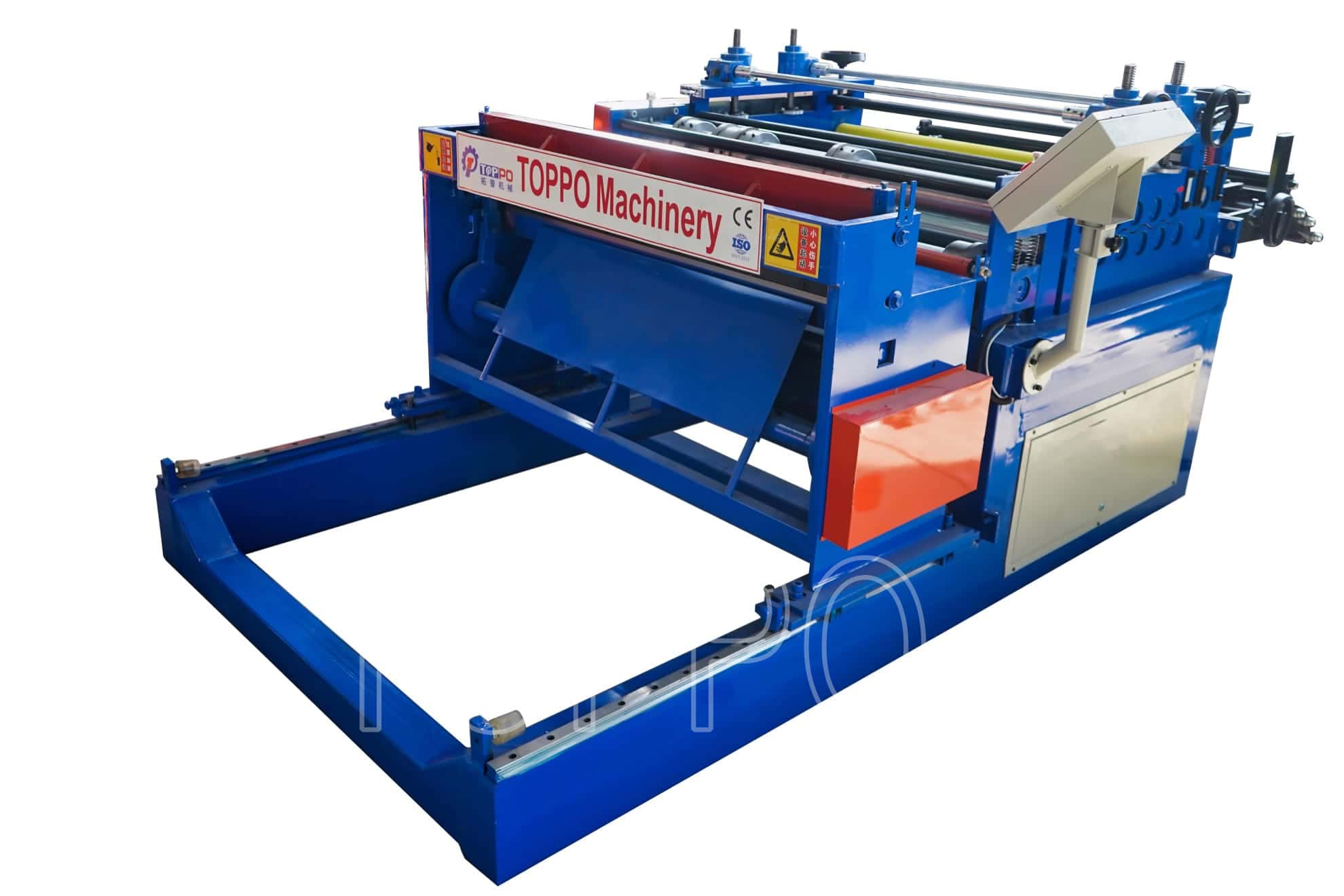
Roofing sheet distributors often have a closer view of customer demand than many manufacturers. They know which profiles are requested repeatedly, which delivery problems cause customers to switch suppliers, and which markets value speed more than price. This visibility naturally leads to a strategic question: would it make sense to bring production in-house? On the surface, the answer can look simple. Buying a roofing sheet making machine appears to promise faster service, better stock control, and stronger margins. In reality, the decision is more serious than a normal equipment purchase. It changes the company from a sales-and-logistics organization into a business that must also manage technical production discipline every day.
A distributor entering manufacturing must be prepared to control process stability, raw material consistency, machine reliability, operator capability, and finished-product quality. That is a different responsibility structure from trading finished panels. As a result, a roofing sheet making machine should be evaluated as part of a broader operating system, not as a standalone asset. The return on investment depends not only on how fast the machine runs, but on how well the company can integrate production into its commercial model.
This becomes even more important when the target market includes premium coated roofing products. A Color Coated sheet machine must preserve appearance and protective coating performance while still delivering tight dimensional accuracy. That means the forming line has to be selected and operated with more precision than a basic uncoated steel application. In the same way, a PrePainted Color Coated Sheet metal cold roofing sheet making machine must be capable of processing painted sheet through progressive forming without leaving scratches, pressure points, or coating cracks that could damage customer trust.
Step 1: Clarify what problem the investment is meant to solve
Before choosing any supplier, the distributor should identify the exact business problem that in-house production is supposed to solve. Is the main issue long lead time from outside factories? Is it poor length accuracy from current suppliers? Is it a need for custom orders in smaller batches? Or is the goal simply to improve margin? These questions matter because each one points toward a different production strategy.
If the business mostly needs faster response for regular, repeated orders, a roofing sheet making machine may create immediate service benefits. If the order pattern is highly irregular, the machine may still be useful, but only with careful planning around setup frequency, stock policy, and operator flexibility. The investment must answer a real operational need rather than a general belief that owning equipment is always better than outsourcing.
Step 2: Evaluate raw material and quality expectations together
Many distributors underestimate how strongly raw material quality influences production performance. Thickness variation, edge burrs, coil camber, residual stress, and inconsistent coating adhesion can all affect the final panel. A Color Coated sheet machine cannot compensate for every raw material problem, especially when customers expect excellent finish quality after installation. That is why material sourcing and machine selection should be reviewed together, not separately.
For painted products, the machine must be validated under real conditions. A PrePainted Color Coated Sheet metal cold roofing sheet making machine should be tested with the same grade and coating type that the distributor expects to use in daily production. The goal is to confirm that the line can preserve the coated surface while maintaining profile consistency. Generic showroom demonstrations do not provide enough certainty for a serious investment decision.
Step 3: Build the implementation plan around workflow and staffing
The next step is implementation planning. This should begin with physical workflow: coil storage, unloading access, loading method, decoiler space, scrap collection, finished-sheet stacking, and shipment preparation. A machine may be technically strong but still operate inefficiently if the plant layout forces unsafe handling or frequent interruptions. The distributor should map the full material path before installation begins.
Staffing should be planned at the same time. Operators must understand strip centering, profile control, cleaning discipline, and the relationship between line speed and product quality. Maintenance personnel should be prepared to manage lubrication, blade checks, hydraulic inspection, sensor cleaning, and spare-parts availability. Without this support system, the roofing sheet making machine will struggle to deliver stable value.
Step 4: Commission carefully and document every stable setting
Commissioning should be performed in stages. First confirm frame alignment, drive-system integrity, safety interlocks, and cutting synchronization. Then run low-speed feeding tests, followed by trial production with measured inspection. Check pitch, cover width, straightness, cut length, and diagonal tolerance. For coated products, visual inspection is just as important as dimensional inspection. A Color Coated sheet machine is only successful when the finished panel is both accurate and visually clean.
This is where a PrePainted Color Coated Sheet metal cold roofing sheet making machine must show real process stability. The line should be able to run coated materials without visible scuffing or coating stress at normal production settings. Once stable settings are confirmed, they should be written into standard recipes so repeated jobs can be run consistently rather than adjusted from memory each time.
Step 5: Apply strict precautions before scaling up
The first precaution is incoming coil inspection. Every coil should be checked for thickness consistency, edge condition, flatness, and coating quality before entering production. The second precaution is cleaning discipline. Dust, chips, and residue on guides or rollers can quickly damage valuable products. The third precaution is preventive maintenance. Rollers, blades, bearings, and sensors should be inspected based on operating hours and output tonnage, not only when failure becomes obvious.
The fourth precaution is line-speed control. A roofing sheet making machine should not be pushed to maximum output until the process remains stable at lower speeds over repeated runs. The fifth precaution is production planning. Distributors should decide which orders are best suited to in-house manufacture and which should still be purchased externally, especially during the ramp-up phase. This hybrid approach protects customer service while internal capability matures.
What makes the investment worthwhile
For the right distributor, manufacturing can become a powerful competitive advantage. A capable roofing sheet making machine can improve response time, reduce reliance on outside supply, and support more flexible order handling. A reliable Color Coated sheet machine can help the business deliver better-finished roofing products to customers who notice appearance quality immediately. And a strong PrePainted Color Coated Sheet metal cold roofing sheet making machine can support entry into higher-value projects where coated finish and precision matter at the same time.
The key point is that success does not come from buying equipment alone. It comes from aligning the machine with demand, materials, people, workflow, and quality controls. Distributors who treat the investment as an operational strategy rather than a simple purchase are much more likely to achieve sustainable production performance and stronger long-term growth.
READ MORE:
What Roofing Sheet Distributors Need to Assess Before Moving from Trading to Manufacturing
How Roofing Sheet Distributors Can Judge Whether a Roll Forming Investment Will Really Pay Off
What Roofing Sheet Distributors Must Evaluate Before Buying Their First Roll Forming Line