Fixing Common Issues with Roll Forming Machines for Efficient Production
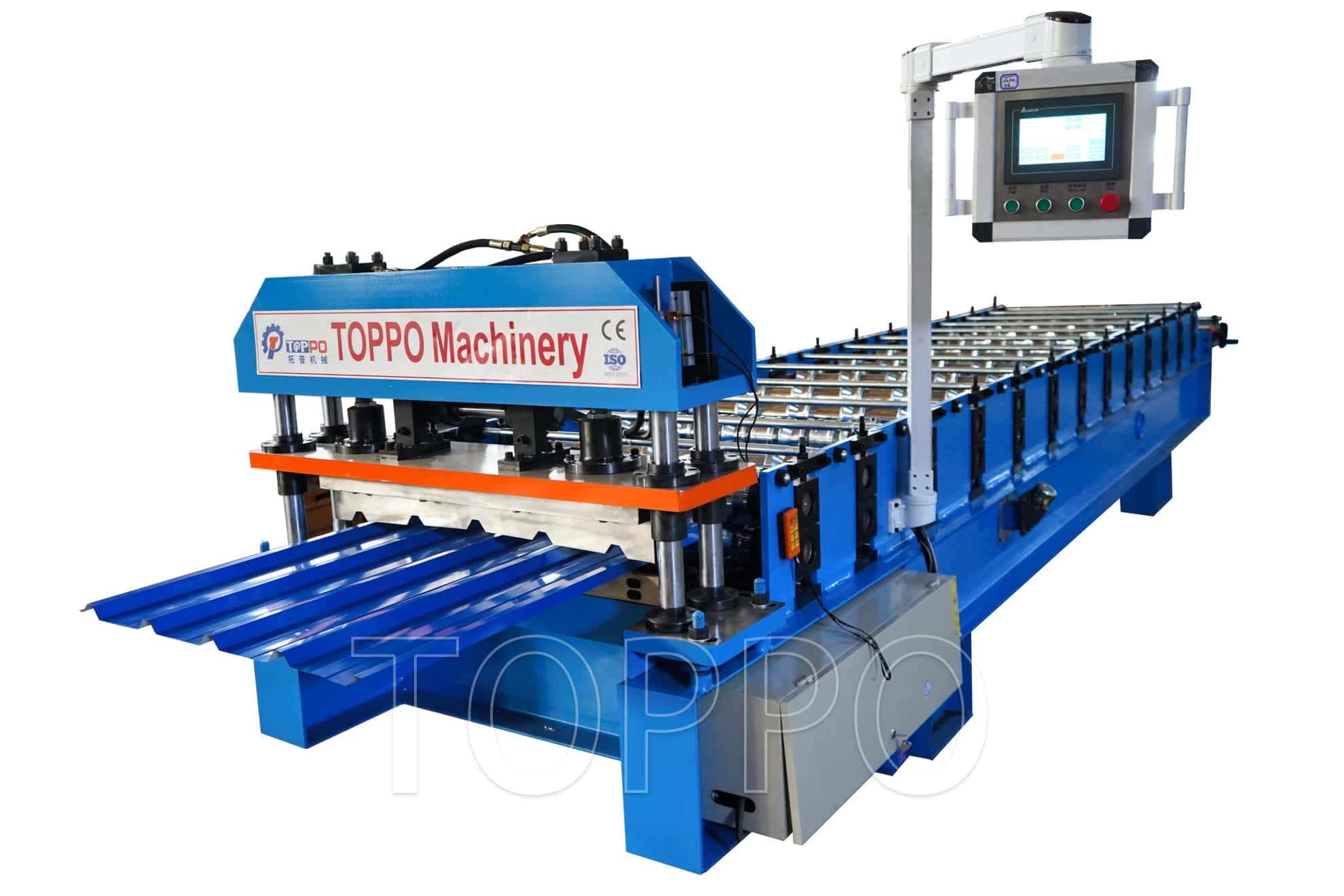
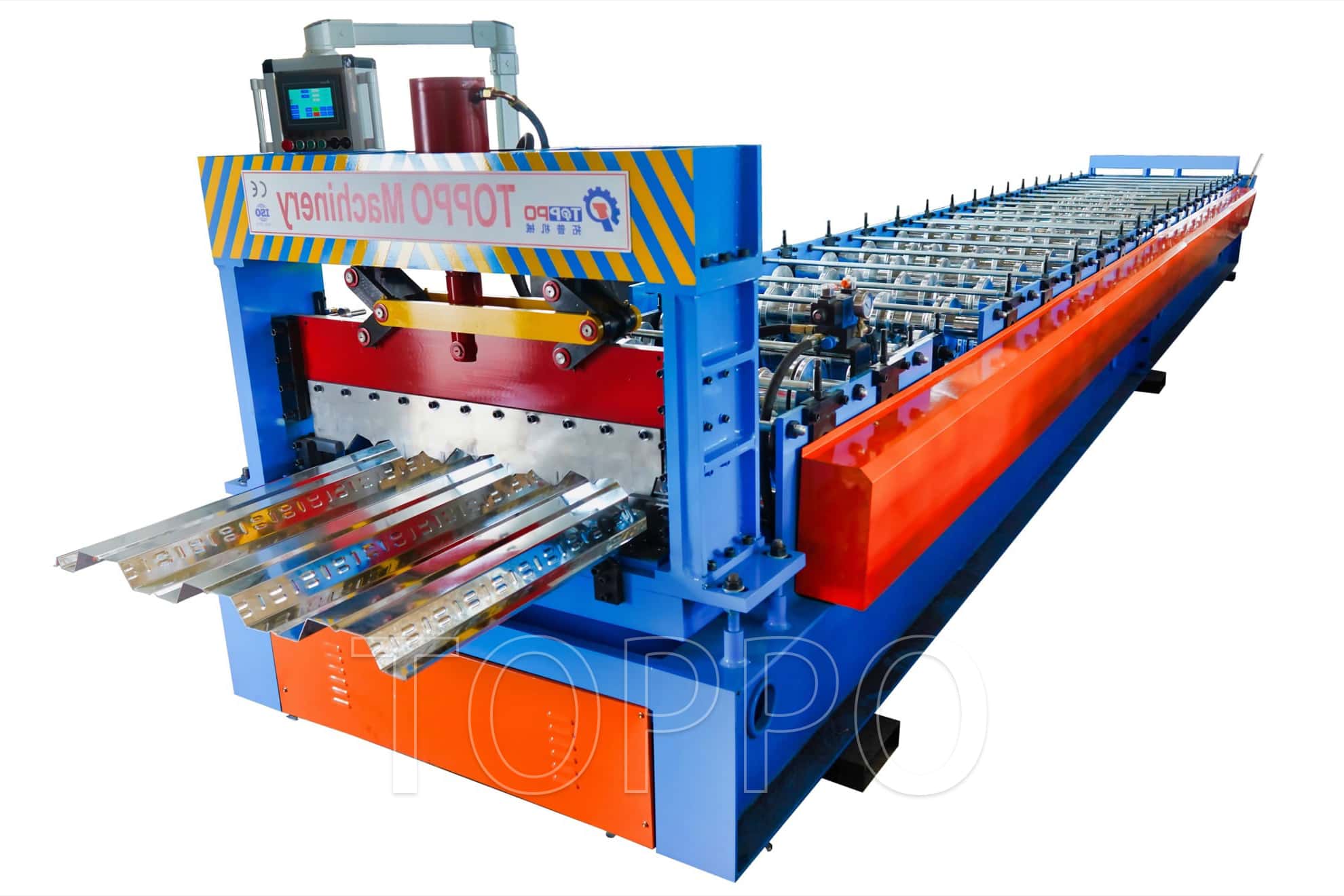
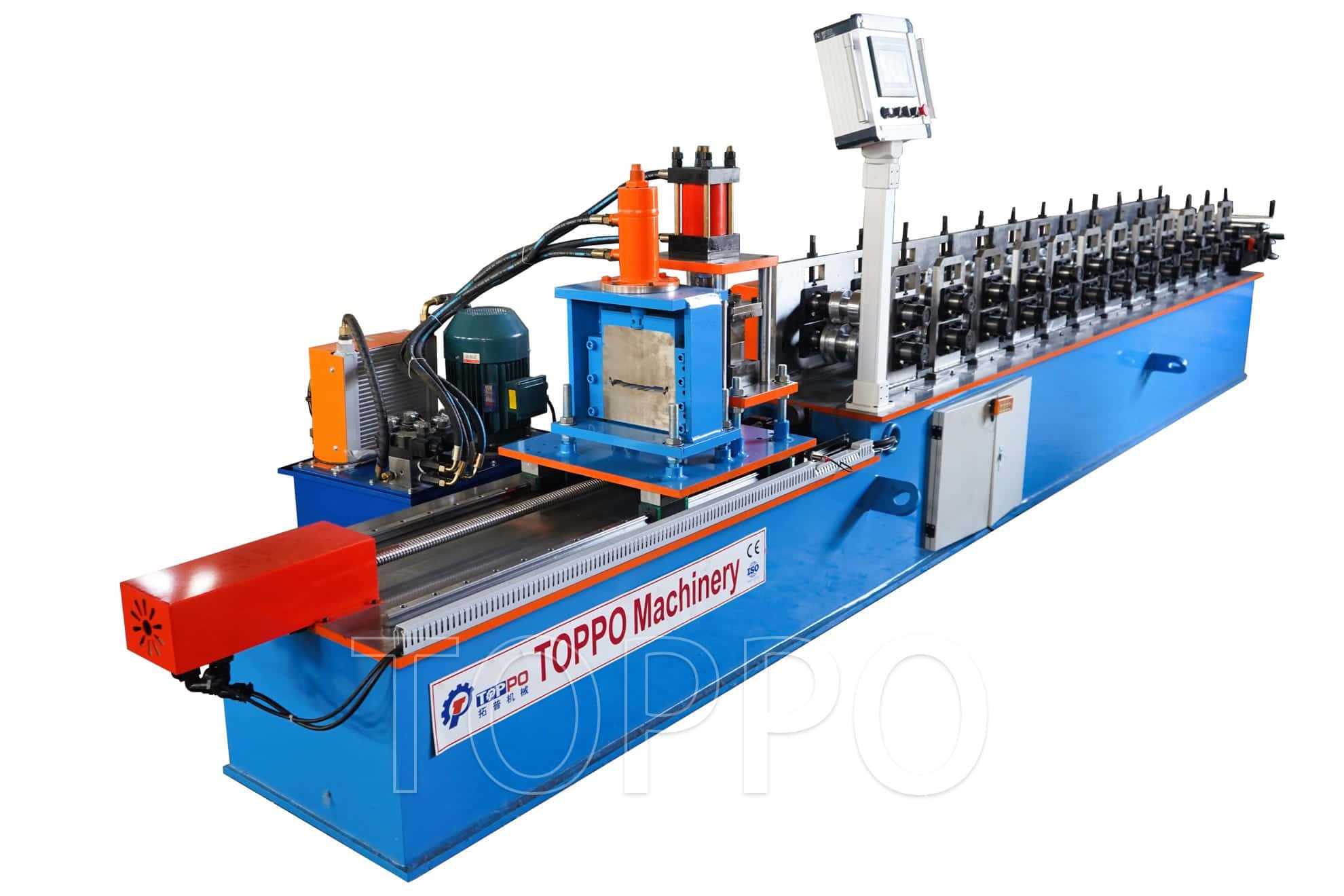
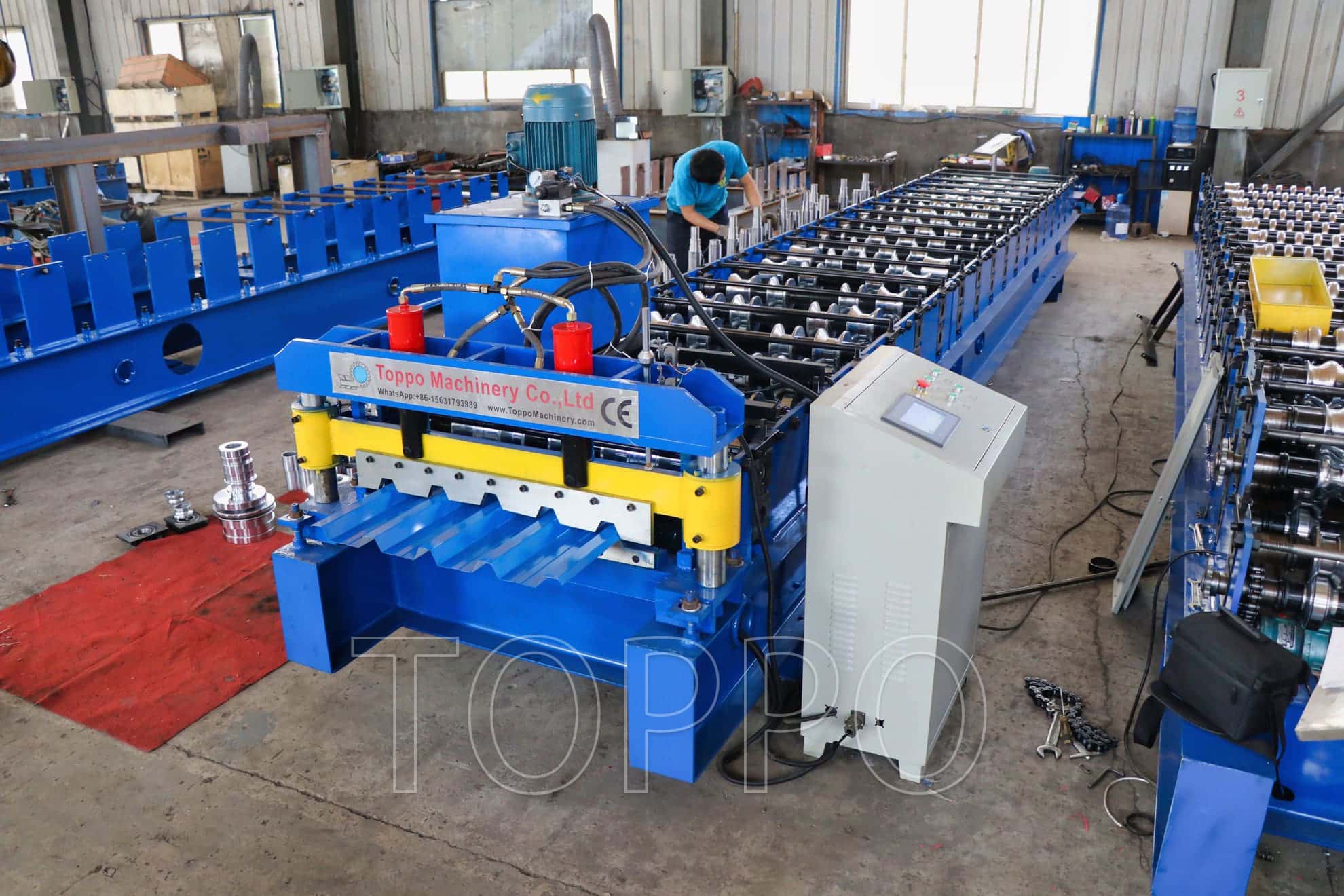
Roll forming machines, especially the TR4 color steel metal roof trapezoidal roll forming machine, are critical to the success of roofing manufacturing. However, these machines can face several issues that, if not addressed promptly, can cause production delays and quality problems. In this article, we will explore common issues with roll forming machines and provide practical solutions for resolving them, ensuring that manufacturers can maintain efficient and high-quality production.
Step 1: Misalignment of the Roll Forming Machine
One of the most common issues with roll forming machines is misalignment. When the machine’s rollers or guides are misaligned, the final roofing panels can become distorted or improperly sized. This issue can arise from mechanical wear, incorrect machine setup, or even damage during operation. To fix misalignment, check the machine’s alignment regularly. Ensure that the rollers are properly calibrated and aligned with the guides. A well-maintained TR4 color steel metal roof trapezoidal roll forming machine should produce consistently accurate panels. Regularly inspect the machine and make any necessary adjustments to keep it running smoothly.
Step 2: Material Feeding Issues
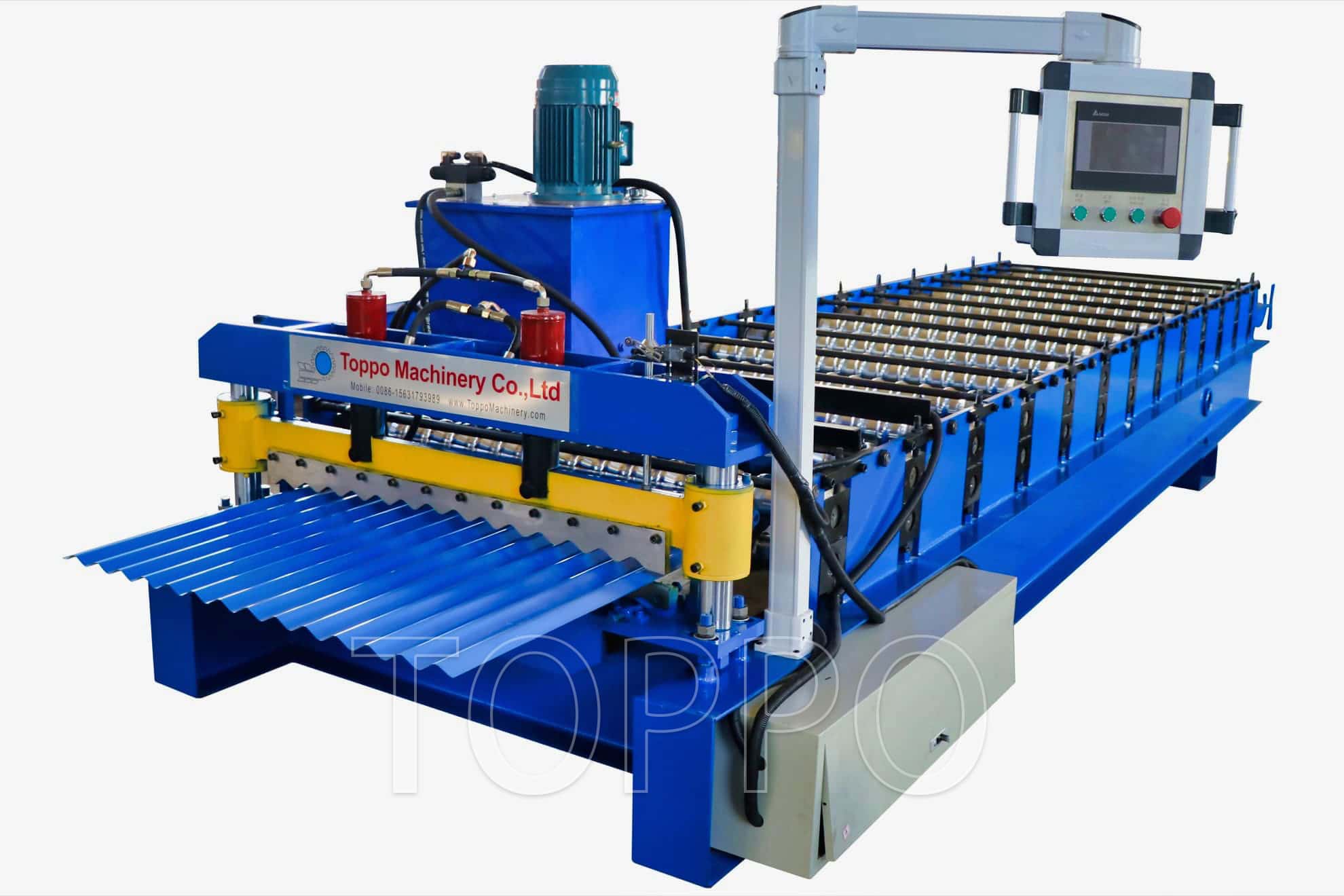
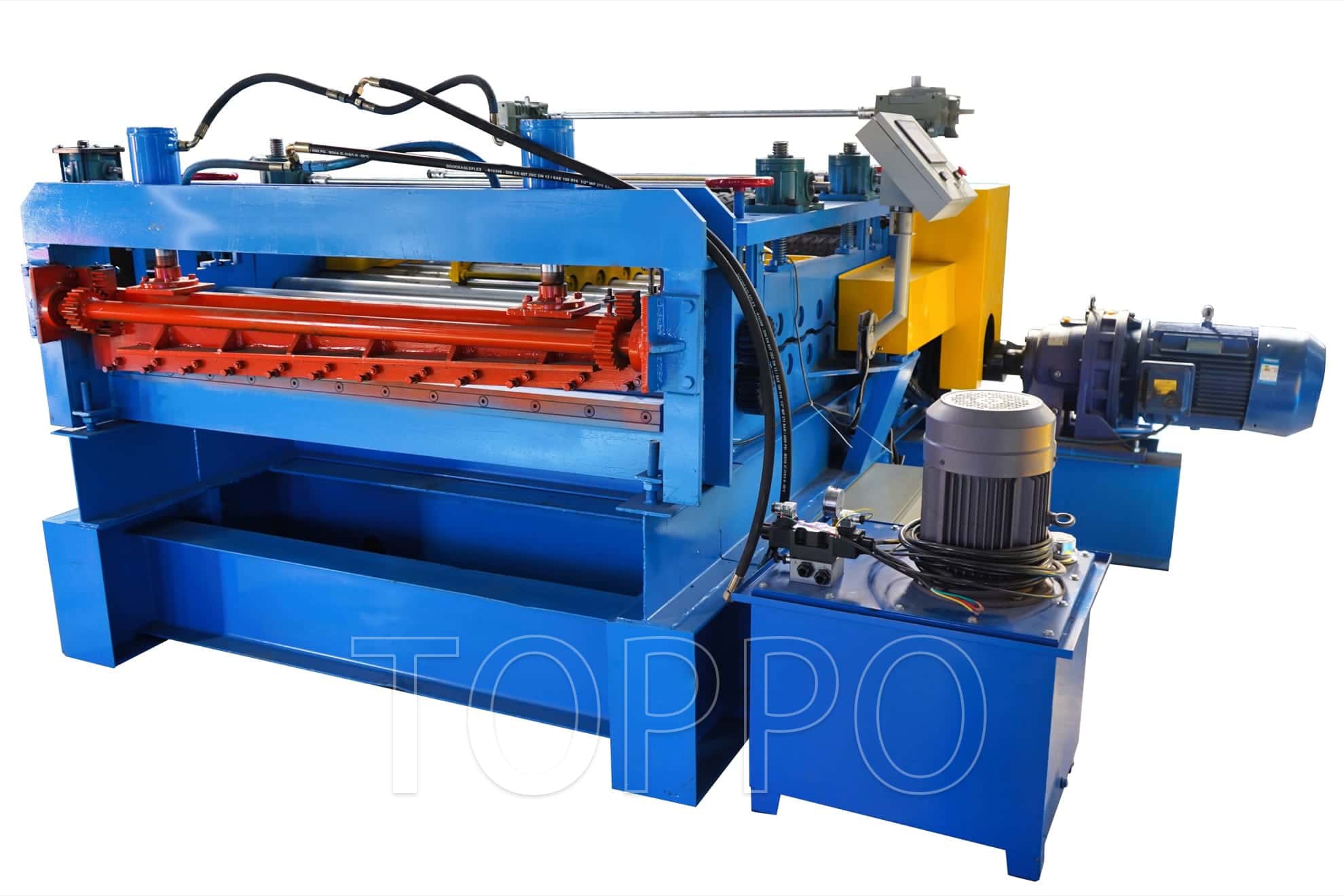
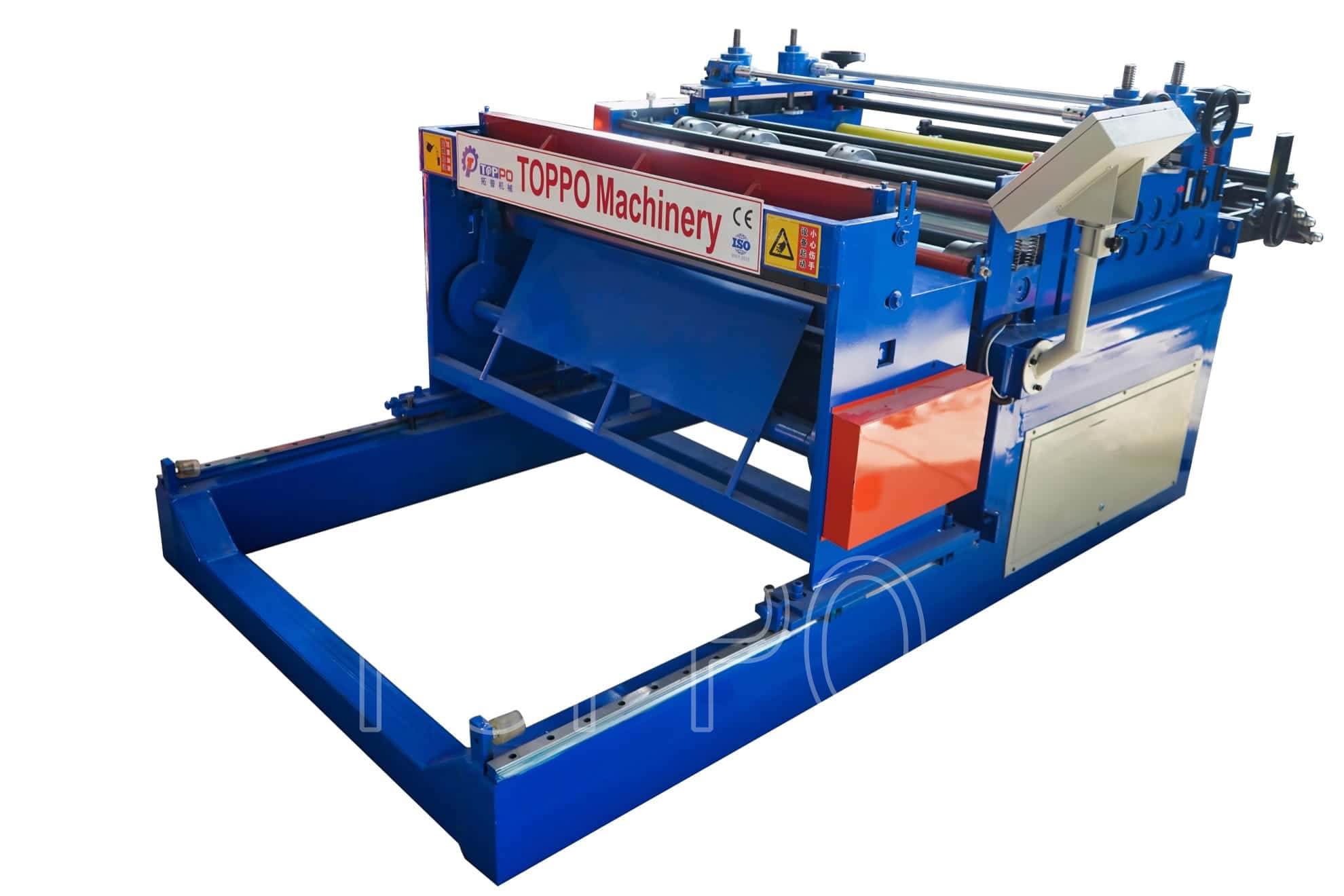
Inconsistent or improper feeding of material into the roll forming machine can cause uneven thickness, distortion, or even jamming. This issue is typically due to worn-out feed rollers, improper tension control, or misaligned material guides. To resolve this, perform regular inspections of the material feed system, ensuring that the rollers are in good condition and the material feed path is clear of any obstructions. Additionally, ensure that the material tension is properly adjusted. The roof panel making machine can help ensure smoother material handling for various profiles, reducing the chance of feeding issues.
Step 3: Insufficient Lubrication
Lack of adequate lubrication is a frequent cause of machine wear and friction, which can lead to overheating, damage to components, and poor performance. It is essential to regularly lubricate the moving parts of the TR4 color steel metal roof trapezoidal roll forming machine to prevent friction and excessive wear. Follow the manufacturer’s guidelines for lubrication schedules and ensure that the right lubricants are used. A well-lubricated machine will operate more efficiently, reducing the risk of downtime and costly repairs.
Step 4: Overheating of Machine Components
Overheating is another common problem, especially in continuous production runs. When the roll forming machine operates for long periods without adequate cooling, it can overheat and cause damage to critical components. This not only affects the machine’s performance but also causes delays in production. To prevent overheating, ensure the machine is equipped with a reliable cooling system and perform regular maintenance. Allow the machine to cool down periodically, and avoid overloading it with too much material. Keeping the internal components clean and free from debris will also help improve cooling efficiency.
Step 5: Case Study – Overcoming Machine Issues
In a case study from a roofing manufacturer in Mexico, the company faced issues with material feeding and misalignment in their TR4 color steel metal roof trapezoidal roll forming machine. After performing a thorough inspection, they identified that the material feed system was malfunctioning, and the machine’s alignment was off due to wear. By realigning the machine and replacing the worn feed rollers, they were able to significantly reduce material wastage. Additionally, they introduced regular maintenance checks to keep the machine in top condition, which resulted in a 15% increase in production efficiency and a reduction in downtime.
Conclusion
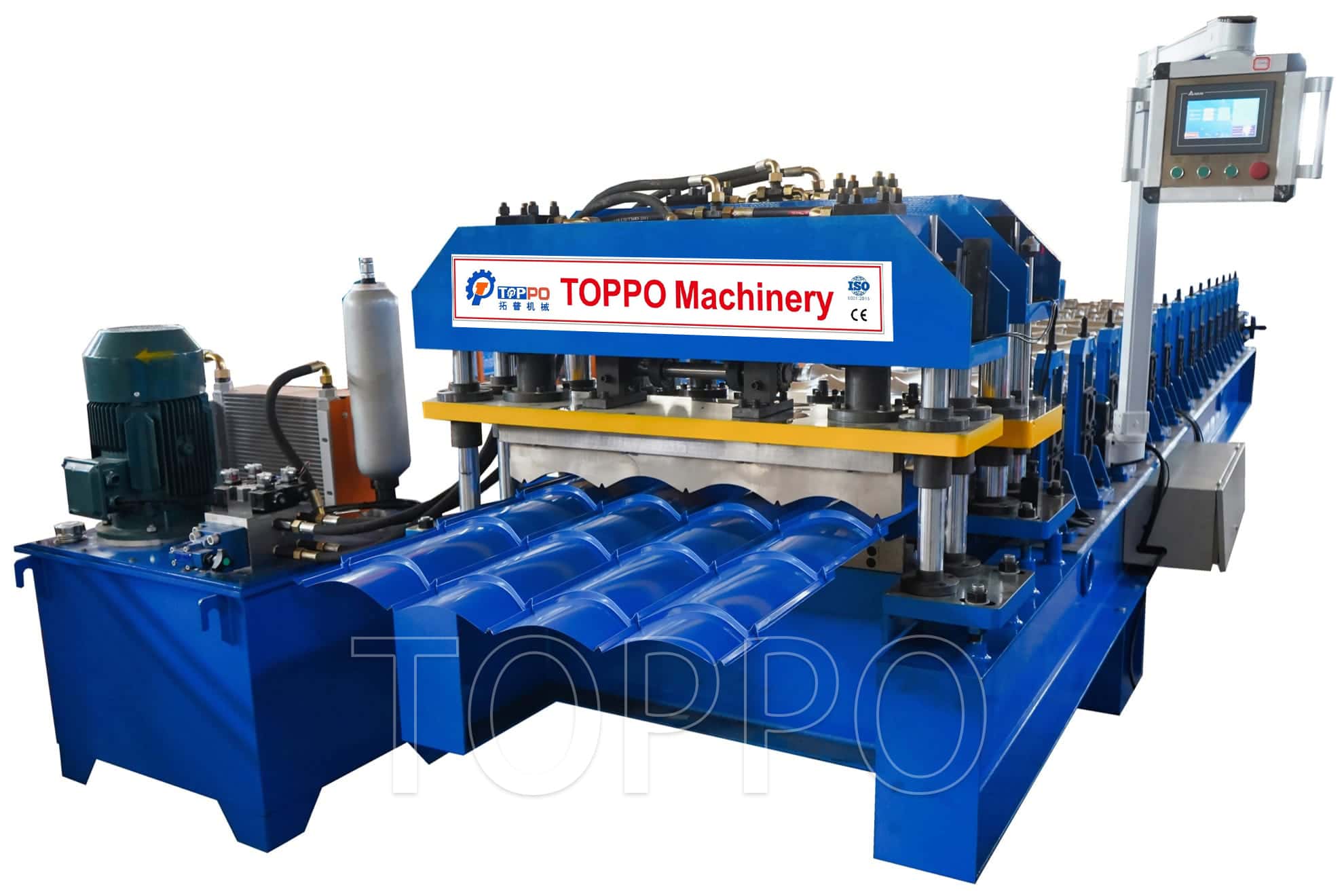
Common issues with roll forming machines, such as misalignment, material feeding problems, insufficient lubrication, and overheating, can cause production delays and reduce the quality of roofing panels. However, with regular maintenance, proper calibration, and attention to machine performance, manufacturers can prevent these issues. By incorporating a roof panel making machine alongside the trapezoidal roll forming machine, manufacturers can further enhance their production processes, ensuring smooth, efficient, and high-quality roofing panel production.
READ MORE: