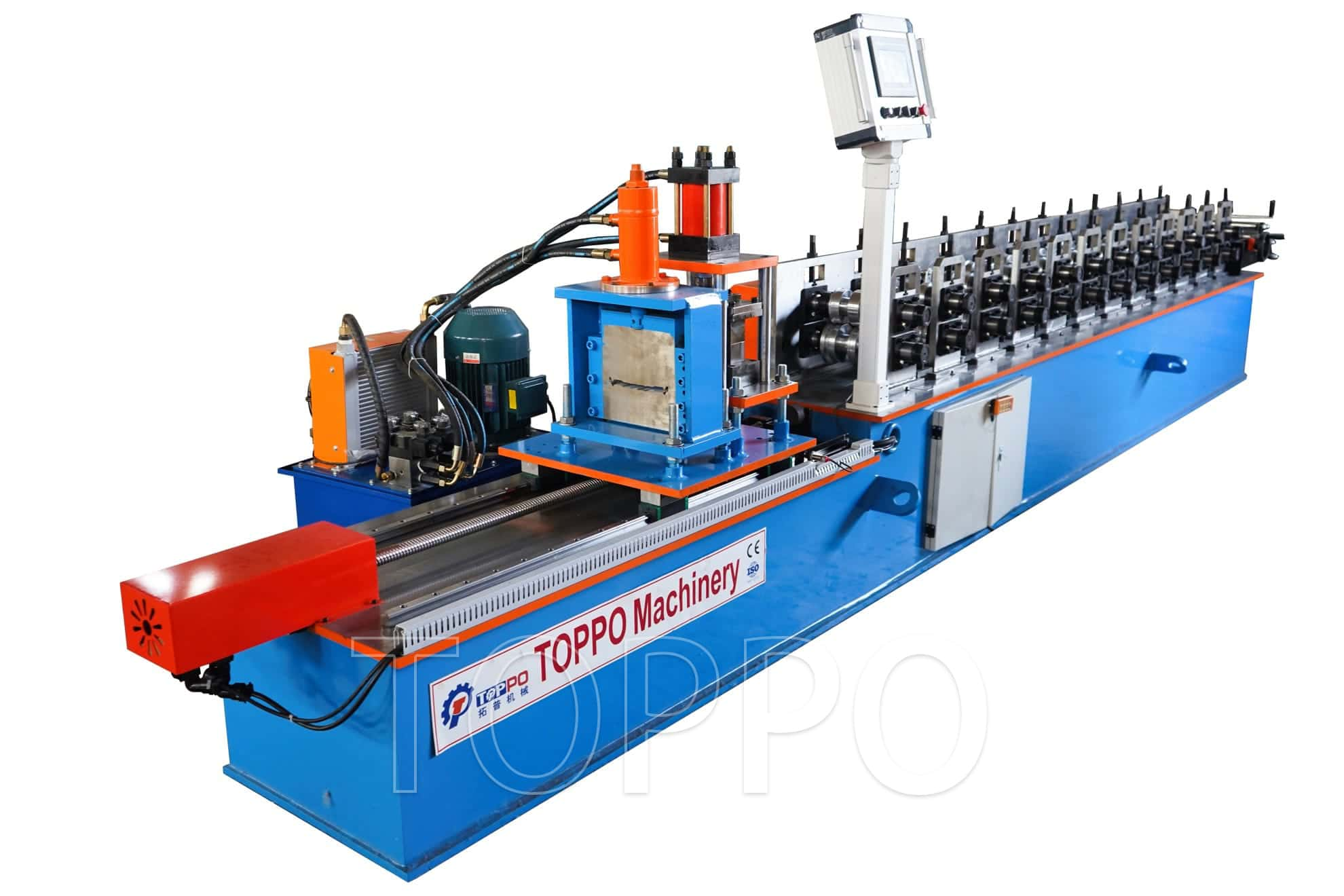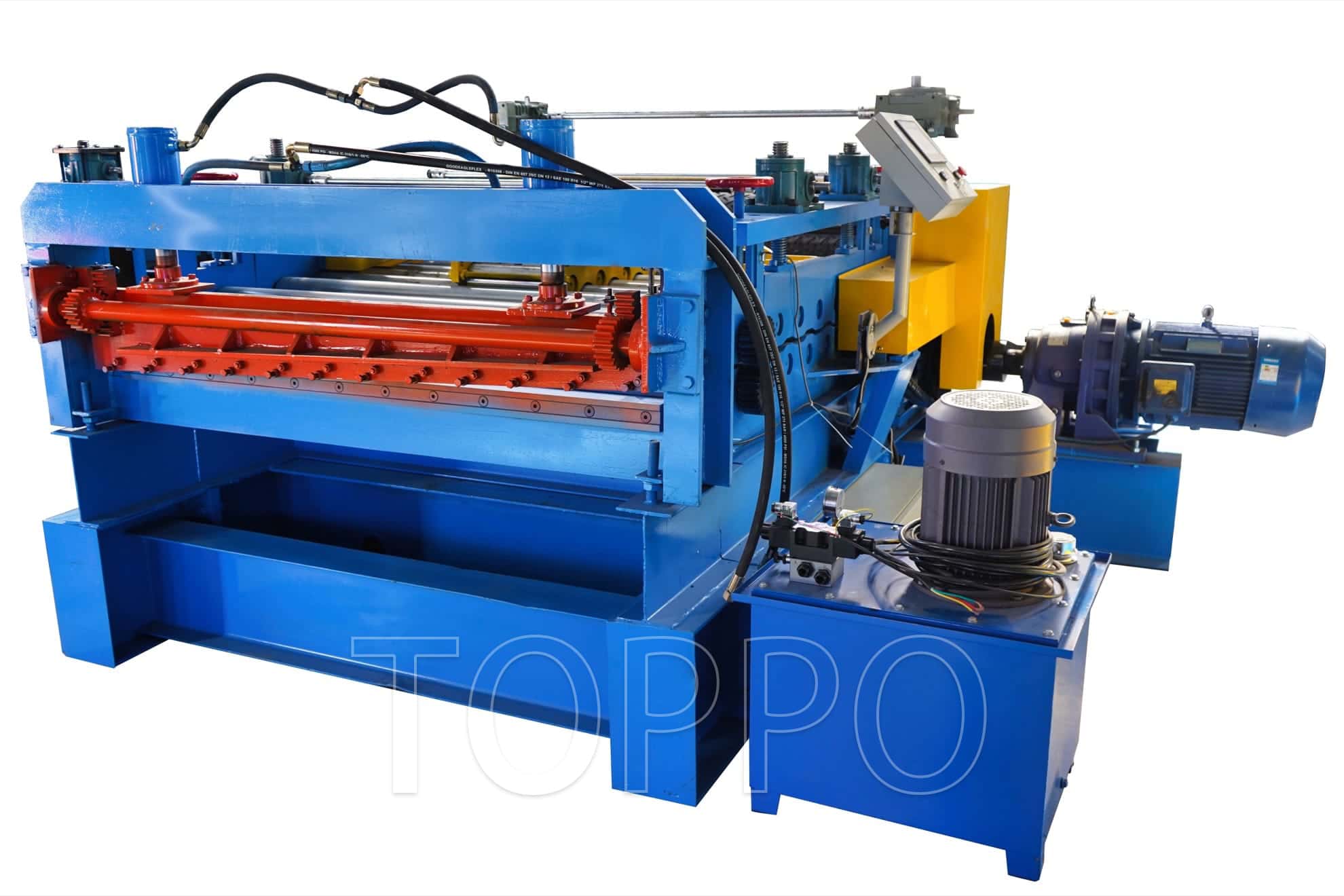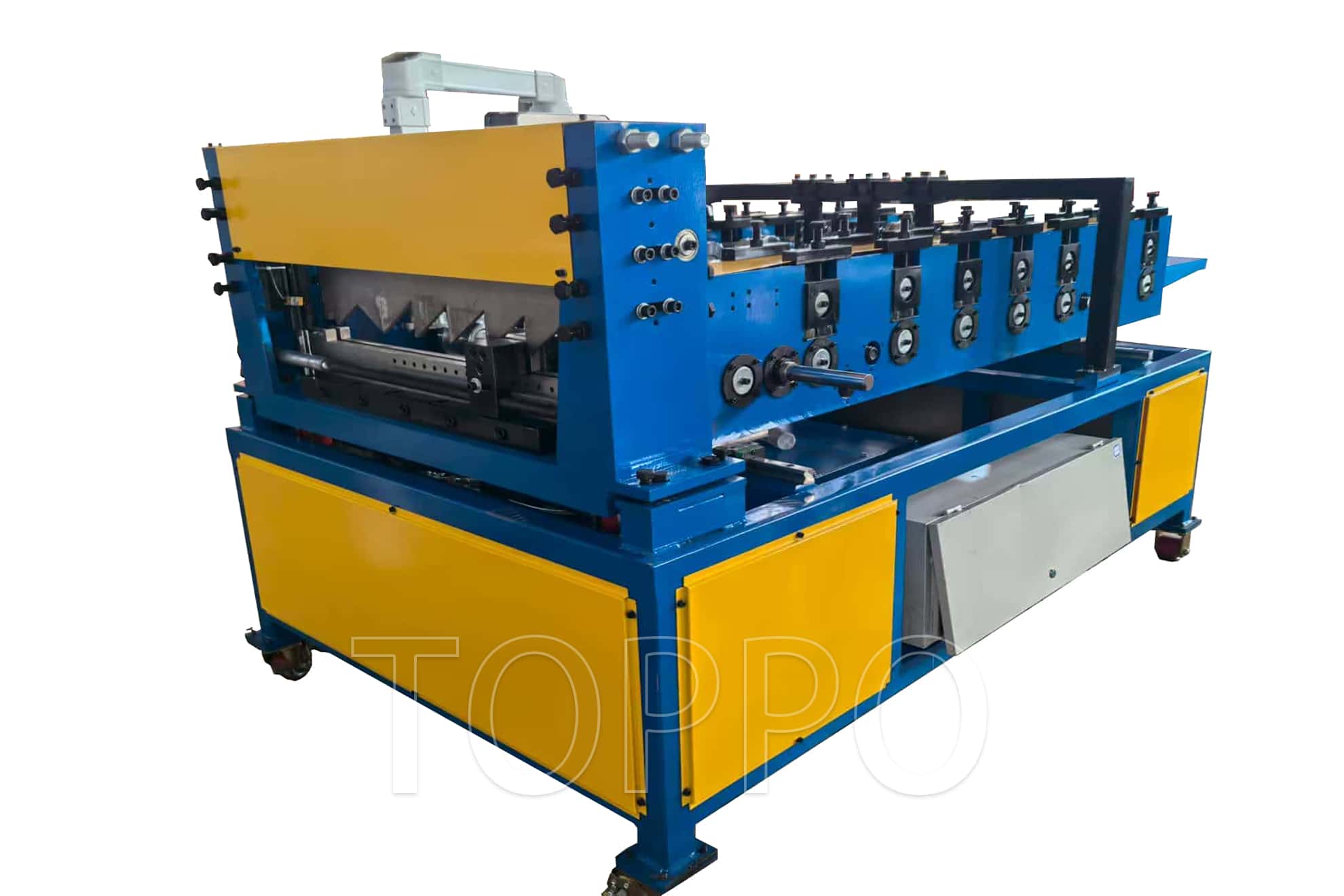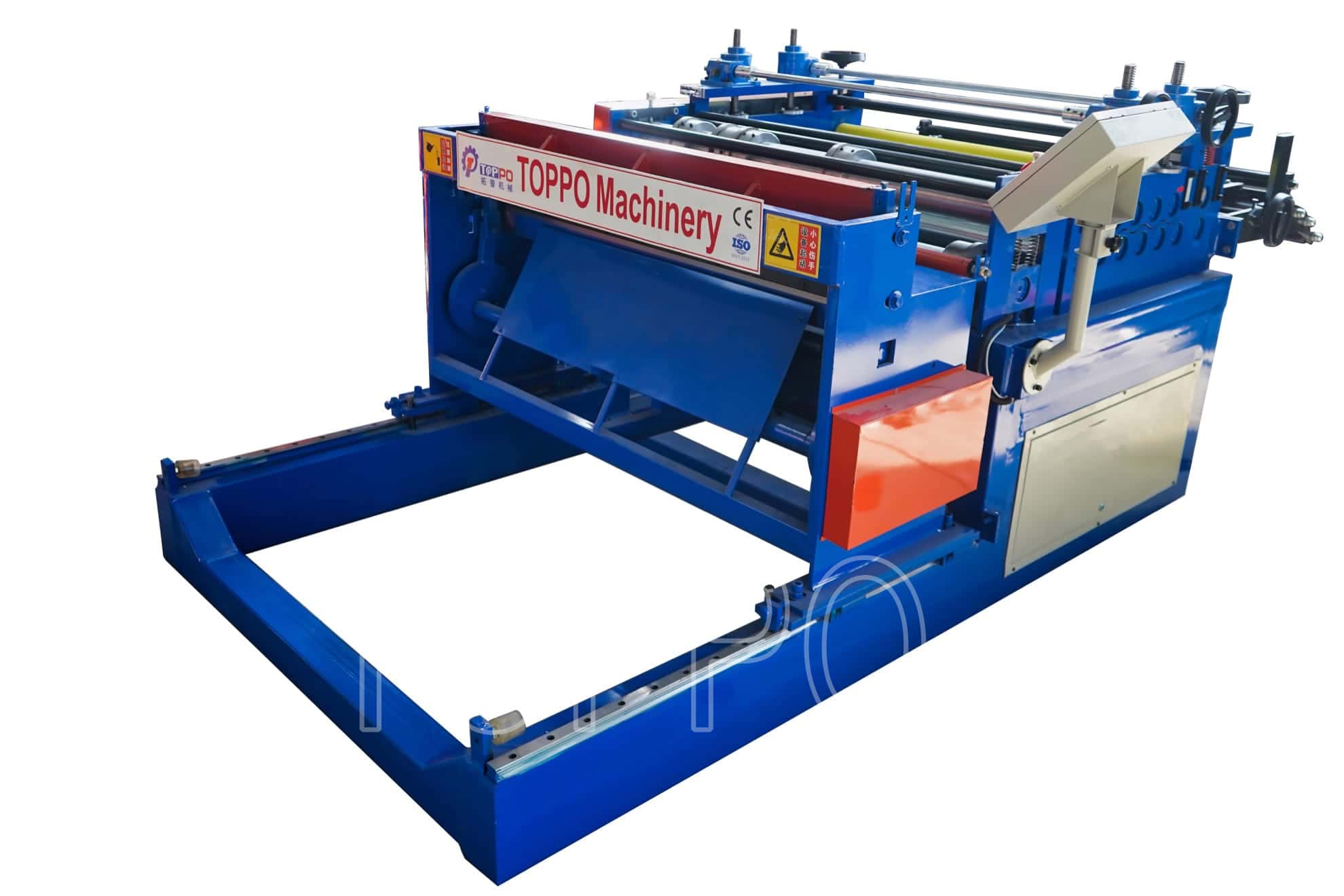
How Long Should Roofing Roll Forming Equipment Be Covered? Professional Insights for Smart Buyers
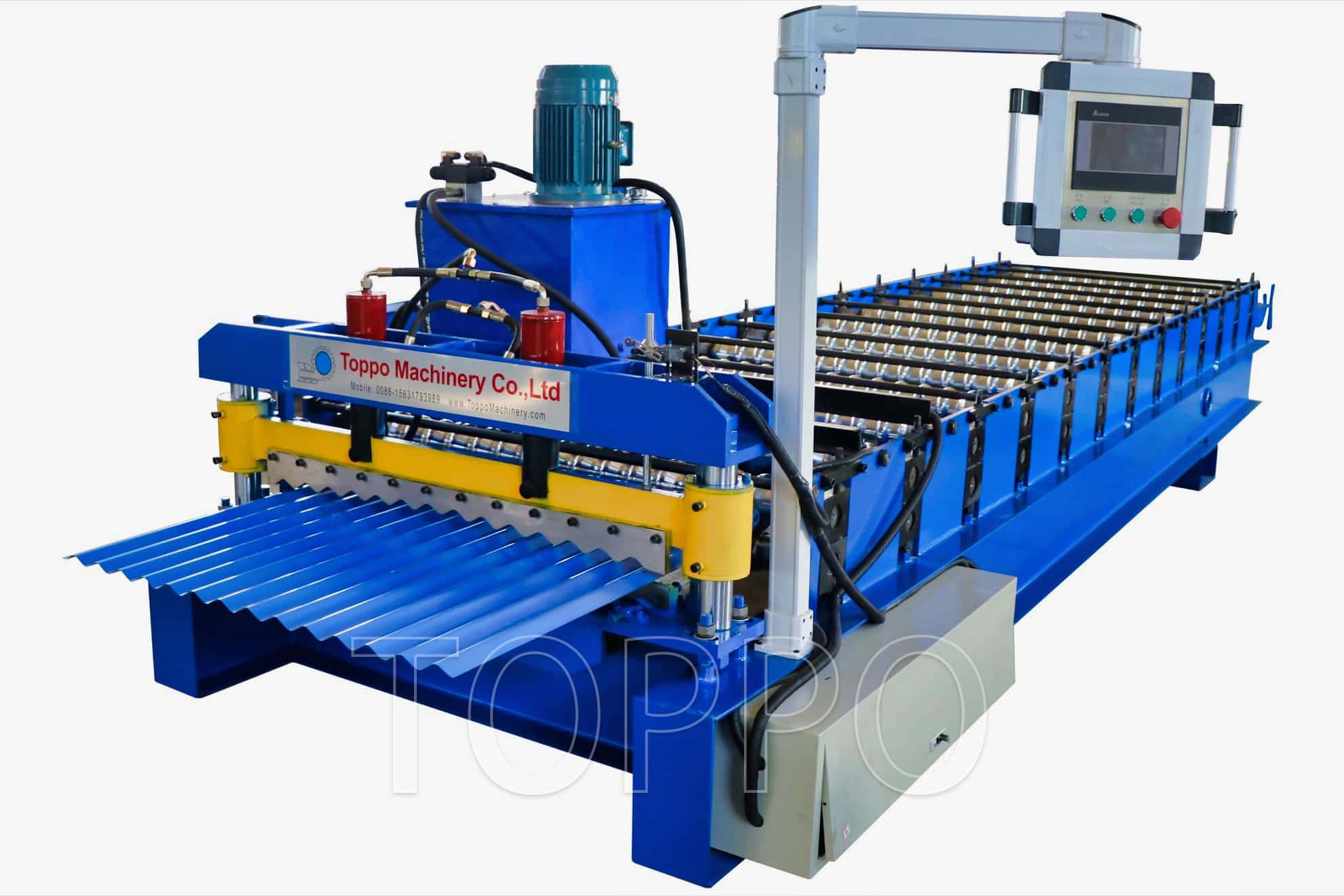
When investing in metal roofing production lines, one of the most frequently asked questions is: how many years of warranty should roofing equipment have? Whether you are purchasing a standard roofing line or a double layer roofing sheet roll forming machine, warranty terms directly affect financial risk, maintenance cost, and long-term production stability.
In most international markets, reputable manufacturers provide 12 to 24 months of warranty coverage. However, the real value of a warranty is not just about the number of years. It depends on what components are covered, response time commitments, spare parts support, and technical service availability.
1. Understanding Standard Warranty Structure
A complete warranty for roofing equipment usually includes the main forming system, PLC control cabinet, hydraulic station, and motor system. Wearable parts such as cutting blades and rollers are often excluded or provided with limited coverage.
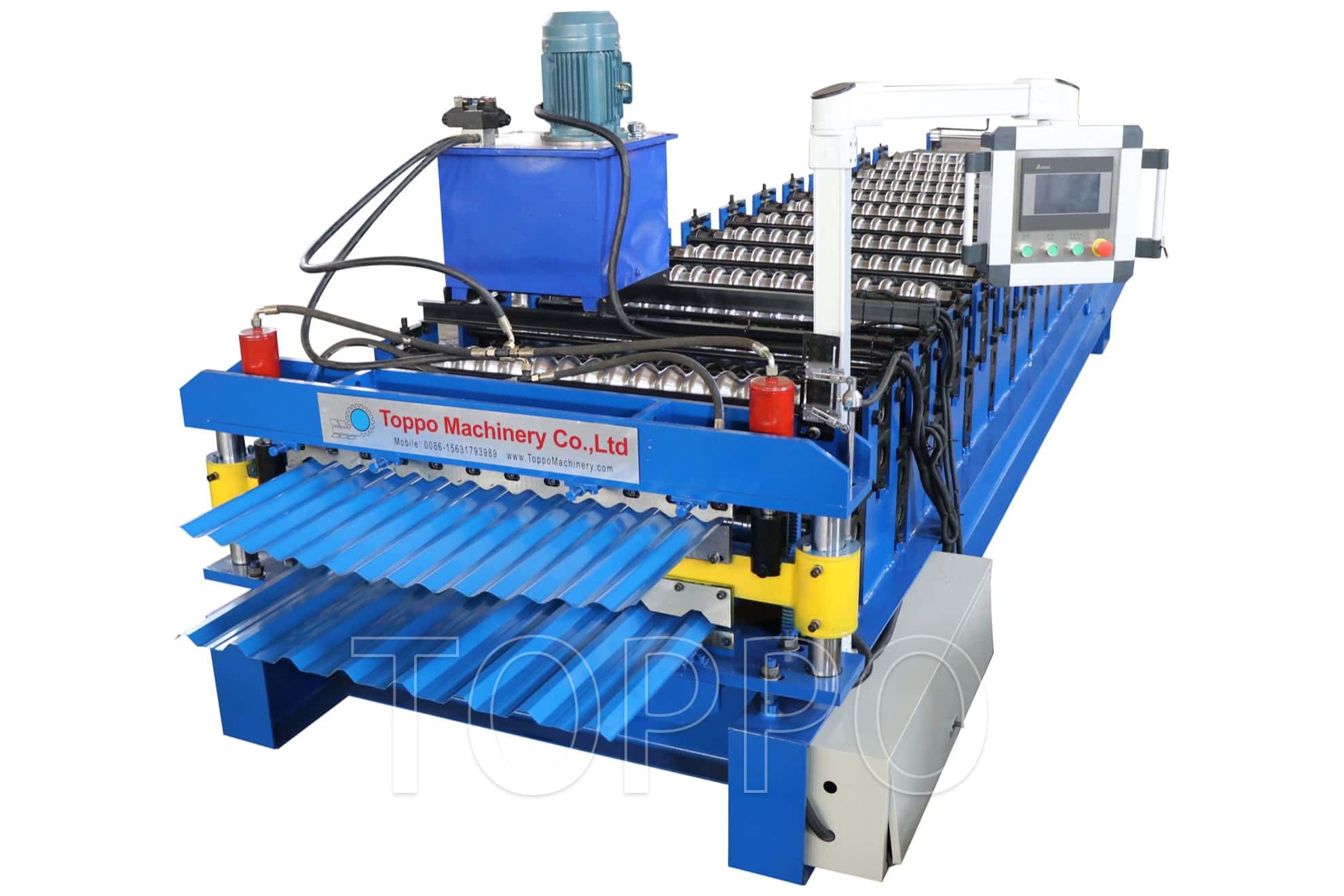
For example, when purchasing a double layer roll forming machine, buyers should confirm whether the gearbox, encoder, and frequency inverter are included in the warranty scope. Many disputes occur because buyers assume "full warranty" covers everything, which is rarely the case.
2. Key Steps to Implement Before Signing the Contract
Step 1: Verify Component Brands
Ensure that motors, PLC systems, and electrical components are clearly specified in the contract. High-quality components reduce failure rates and make warranty claims easier to process.
Step 2: Define Response Time
A professional supplier should promise technical feedback within 24 hours. For export projects, remote video guidance should be included.
Step 3: Clarify Spare Parts Policy
Confirm whether critical spare parts are provided free within the warranty period and how shipping costs are handled.
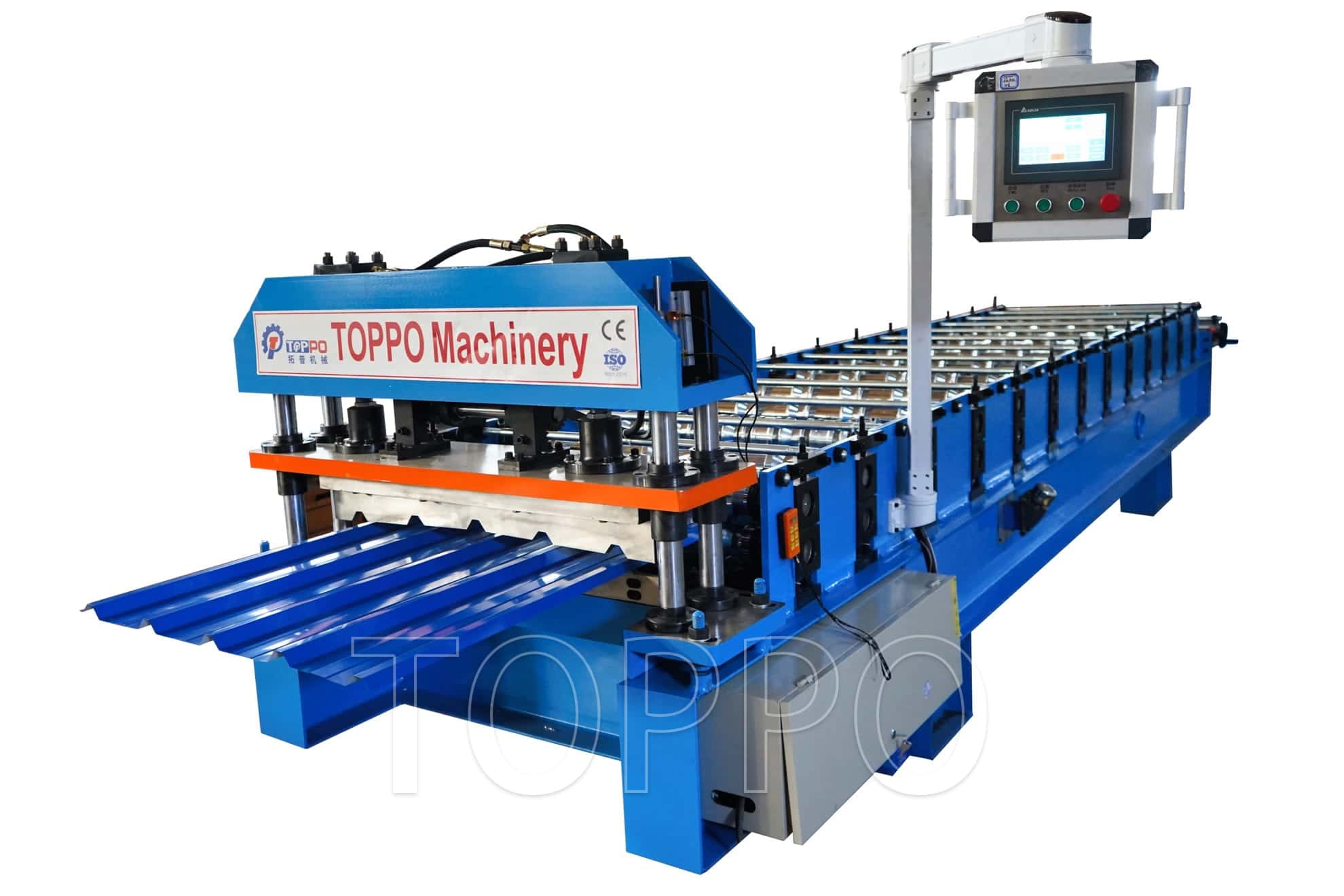
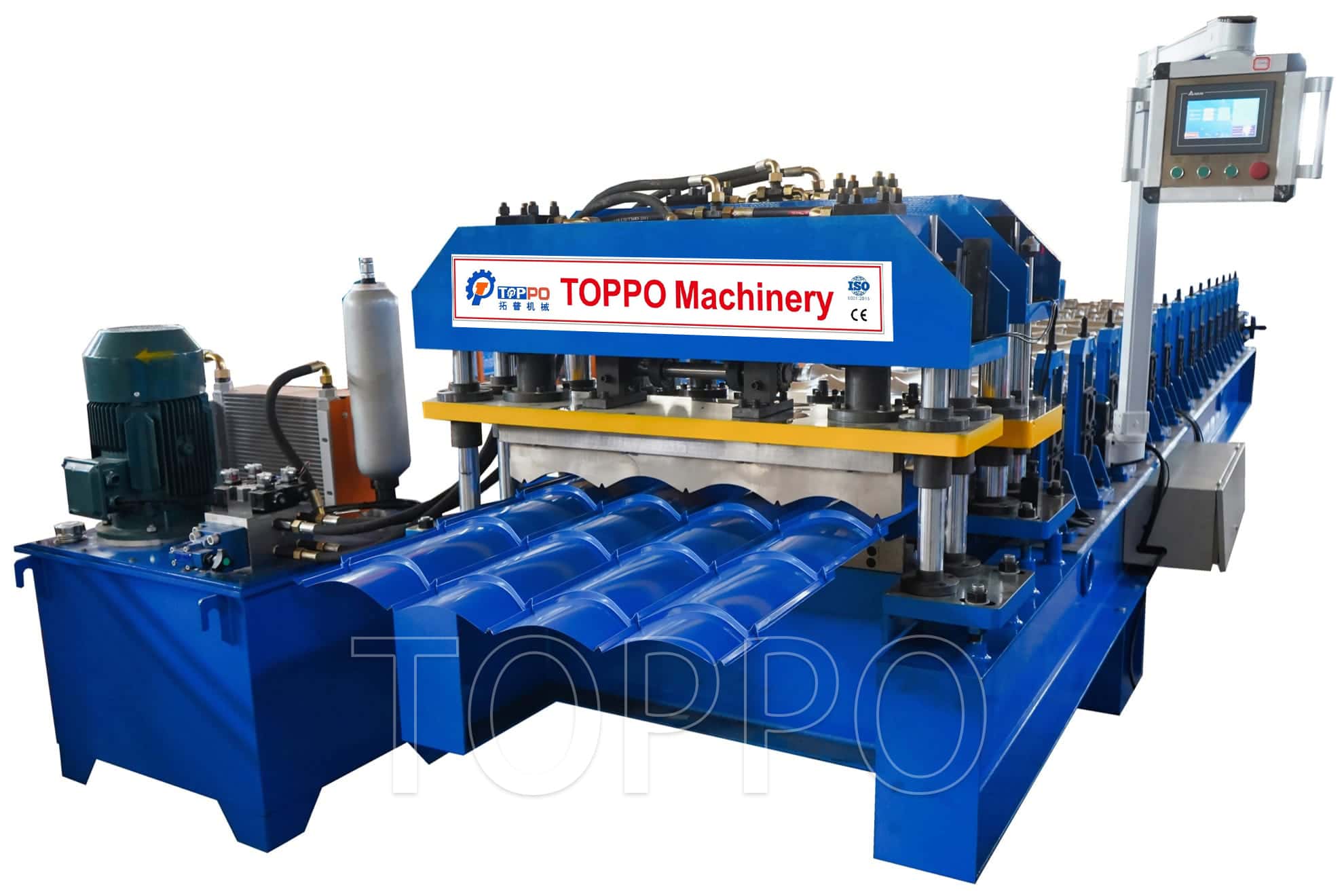
These implementation steps are particularly important when purchasing a roof panel making machine for large-scale industrial projects.
3. Common Mistakes Buyers Make
One major mistake is focusing only on price while ignoring warranty details. A factory in South America once purchased low-cost equipment with a 12-month warranty, but key electrical components were excluded. Within eight months, inverter failure caused production downtime, and replacement costs were entirely borne by the buyer.
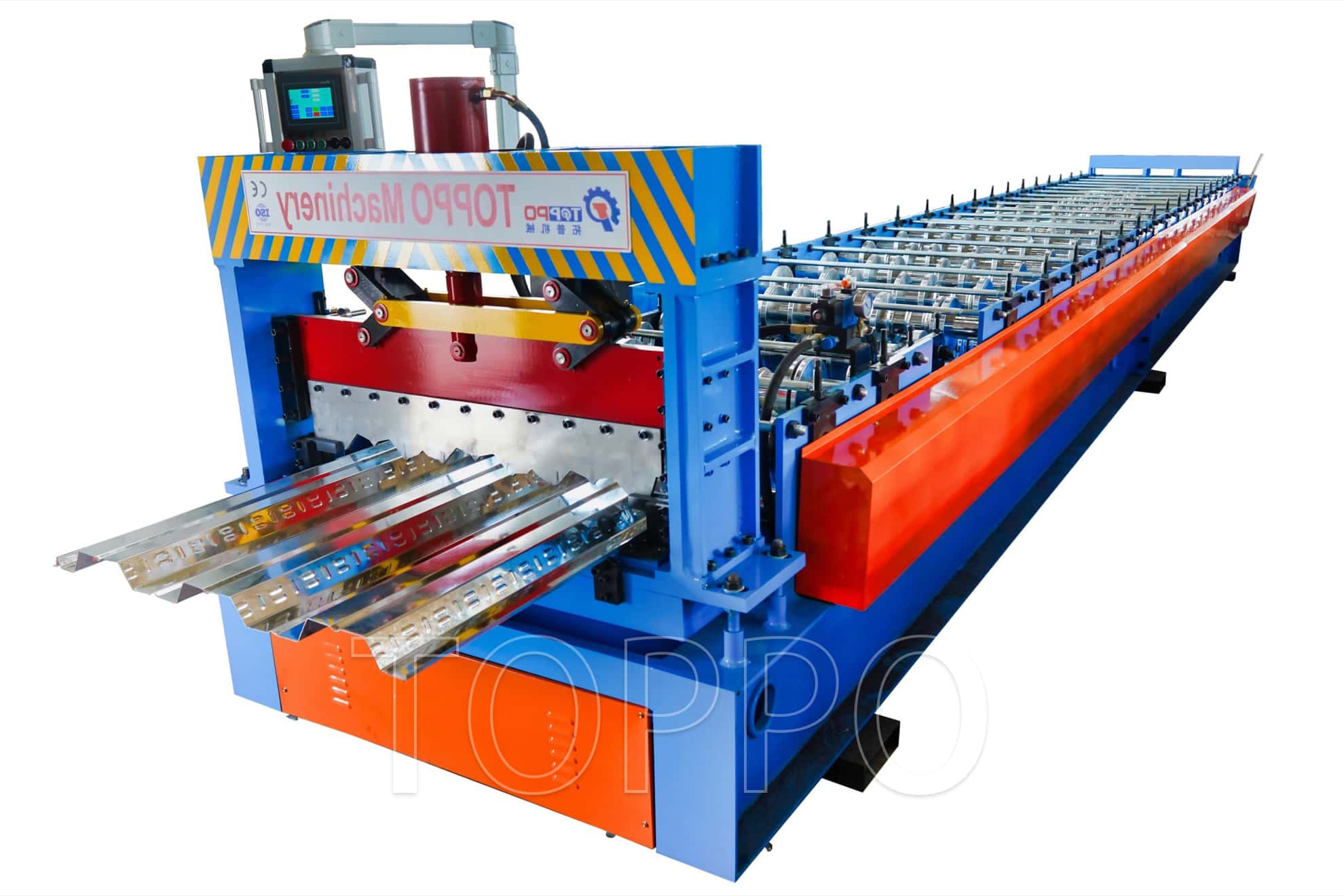
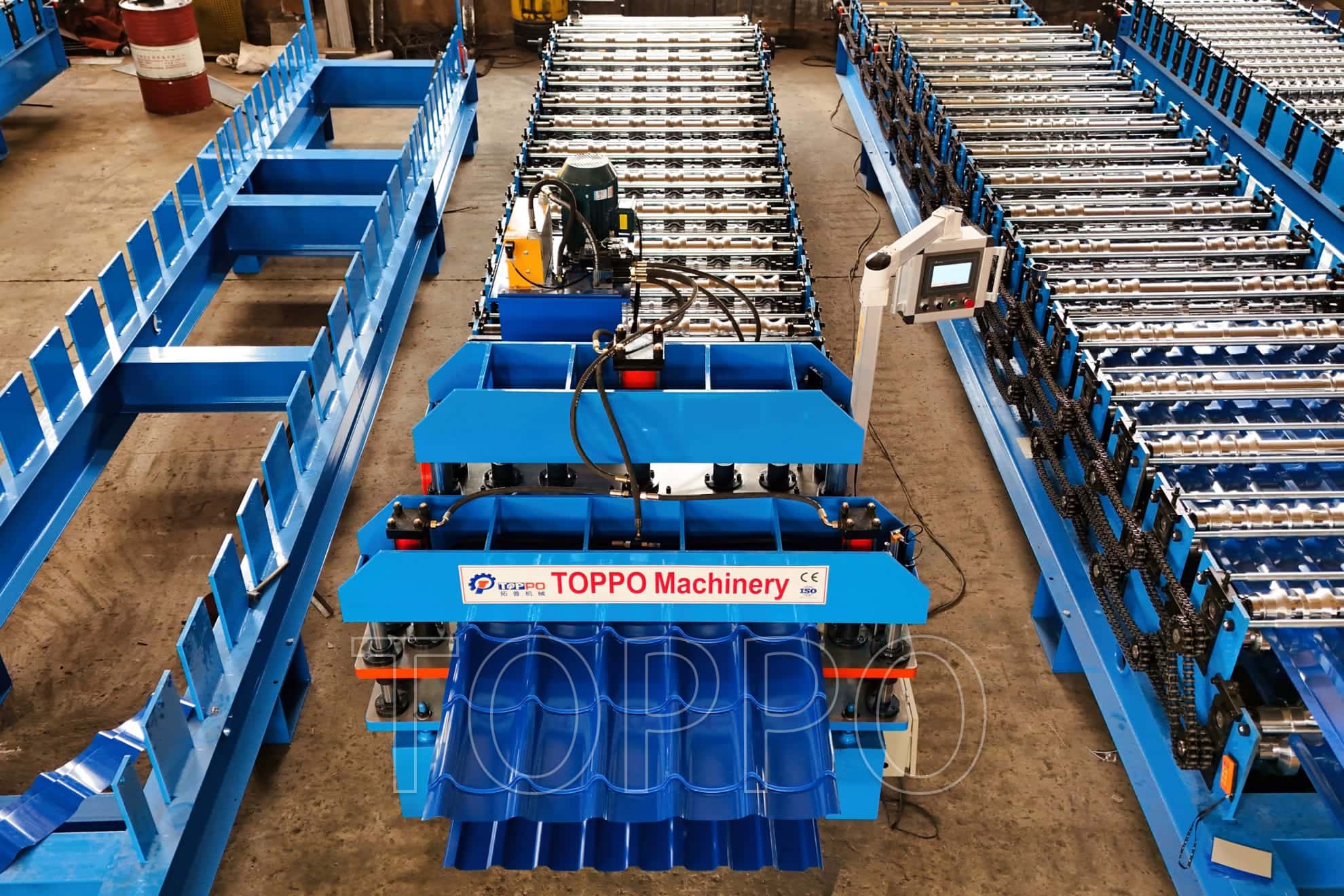
Another common error is failing to conduct proper pre-shipment inspection. Before delivery of a double layer roofing sheet roll forming machine, buyers should request a full-load running test and verify forming accuracy. Without testing under real production speed, hidden vibration or overheating problems may not appear.
4. Practical Case Study: Warranty Comparison
A steel construction company compared two suppliers offering similar equipment. Supplier A provided a 12-month warranty but included free roller adjustment service and lifetime technical support. Supplier B promised 24 months but excluded hydraulic components.
After two years of operation, the company realized that Supplier A offered better overall value despite the shorter warranty period. The hydraulic system remained stable because regular maintenance guidance was provided.
This case shows that warranty quality matters more than warranty length.
5. Technical Inspection Procedures Before Acceptance
To maximize warranty protection, buyers should implement strict inspection procedures:
Check forming precision tolerance within ±1mm.
Measure motor current stability during continuous operation.
Inspect hydraulic cutting smoothness and burr control.
Test emergency stop and PLC response time.
When testing a roof panel making machine, it is recommended to run at least 30 minutes continuously to monitor temperature rise and vibration.
6. Why 18–24 Months Is Often Reasonable
Most mechanical or electrical issues appear within the first year of operation. Extending warranty to 18 or 24 months provides additional safety coverage without dramatically increasing equipment price. For complex systems like a double layer roll forming machine, slightly longer coverage is advisable because profile switching mechanisms require precise calibration.
However, buyers must ensure routine maintenance is documented. Failure to perform lubrication and cleaning may void warranty claims.
7. Maintenance Responsibilities During Warranty
Even under warranty, daily maintenance is the buyer’s responsibility. Operators must:
Lubricate roller bearings regularly.
Keep electrical cabinets dry and dust-free.
Monitor voltage stability.
Replace worn cutting blades on schedule.
Neglecting these steps can result in disputes where suppliers reject warranty claims due to improper operation.
Conclusion
For most roofing equipment, including a double layer roofing sheet roll forming machine, a realistic warranty period ranges from 12 to 24 months. More importantly, buyers should evaluate coverage details, service response speed, spare parts policy, and technical support capability. By following structured inspection procedures and avoiding common purchasing mistakes, manufacturers can secure long-term production stability and protect their investment effectively.
SEO Keywords
double layer roofing sheet roll forming machine, double layer roll forming machine, roof panel making machine, metal roofing roll former, steel roll forming machine, roofing sheet roll forming machine
Tags
double layer roofing sheet roll forming machine, double layer roll forming machine, roof panel making machine
READ MORE: