How Much Factory Space Can Roofing Manufacturers Save with Double Layer Equipment?
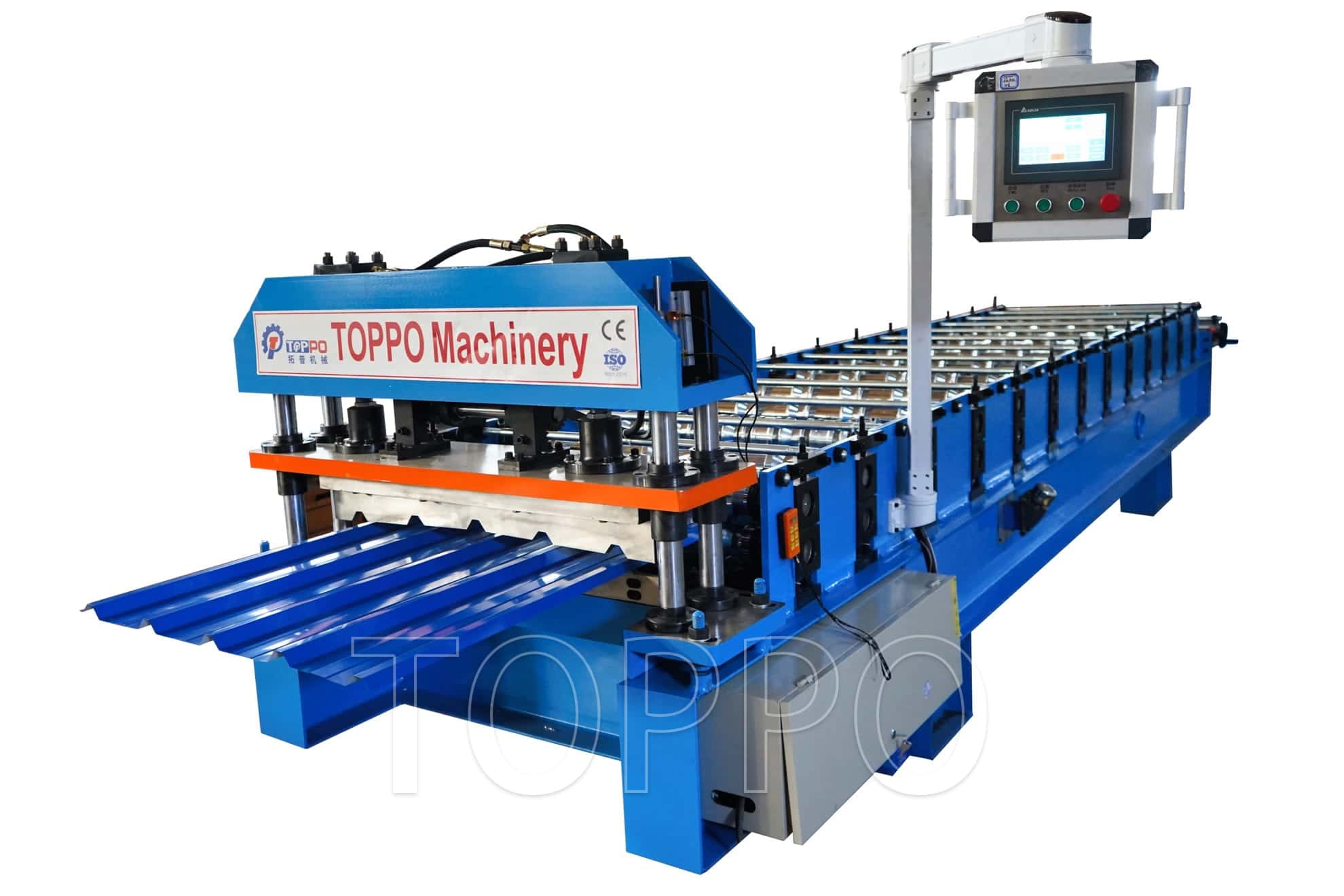
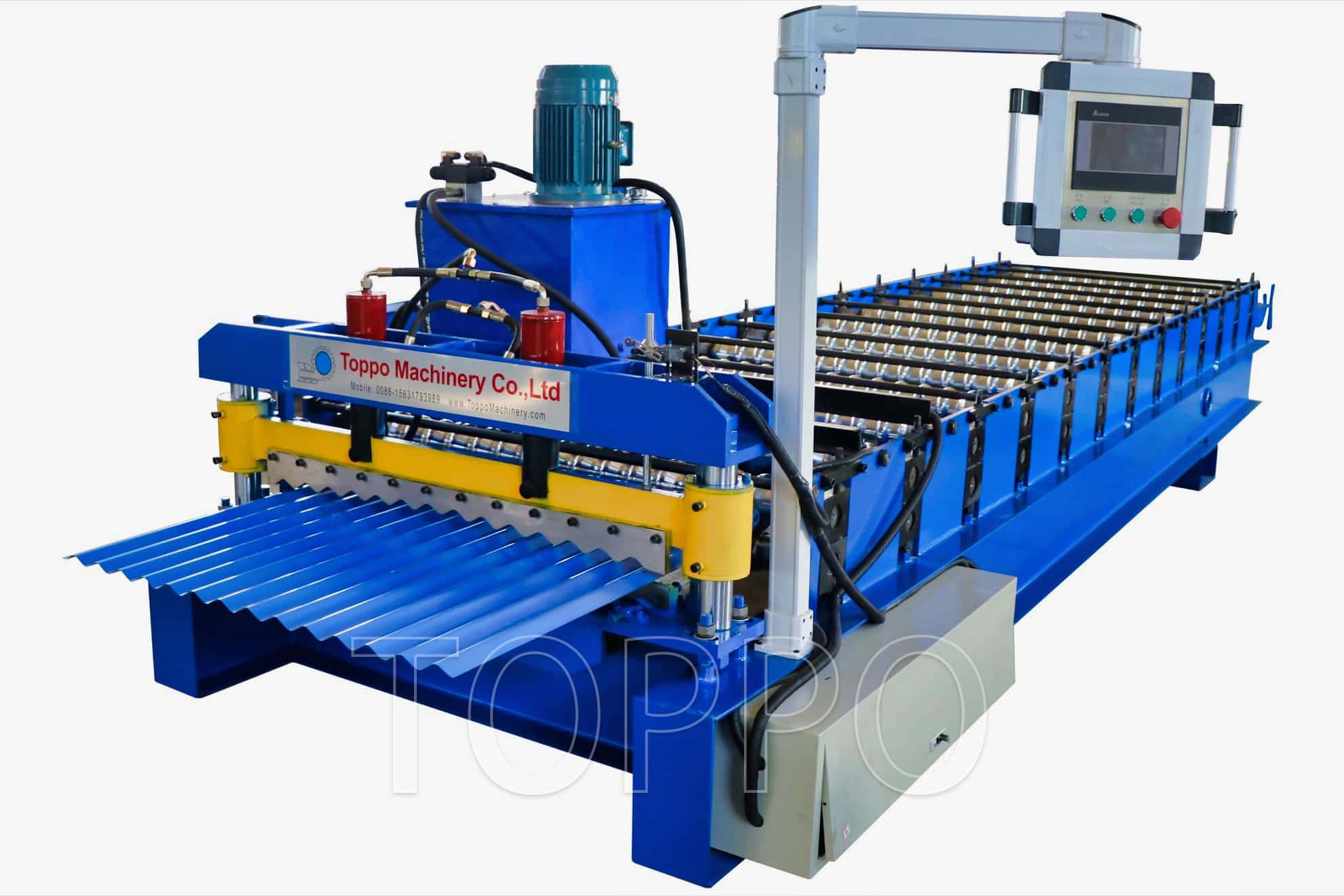
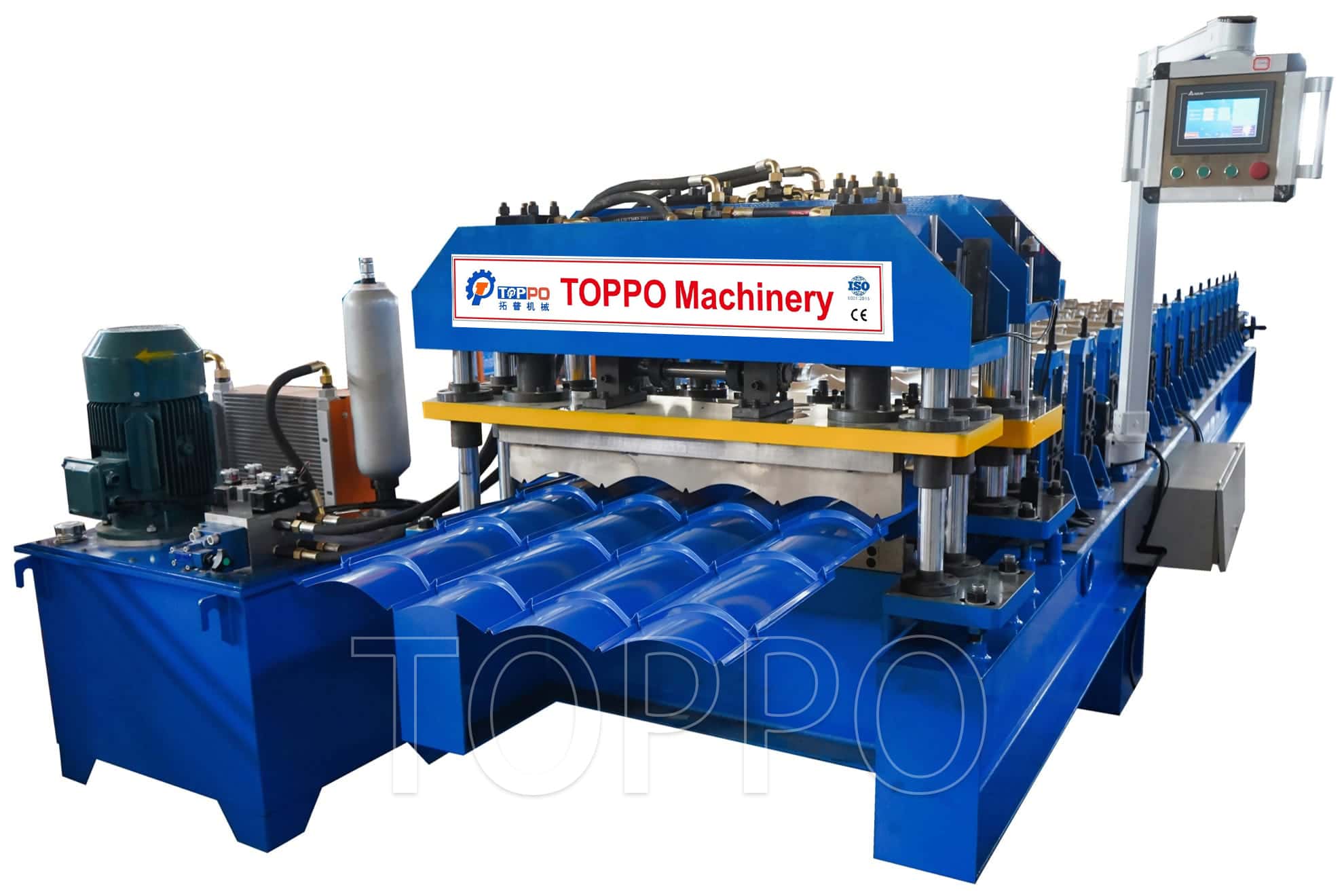
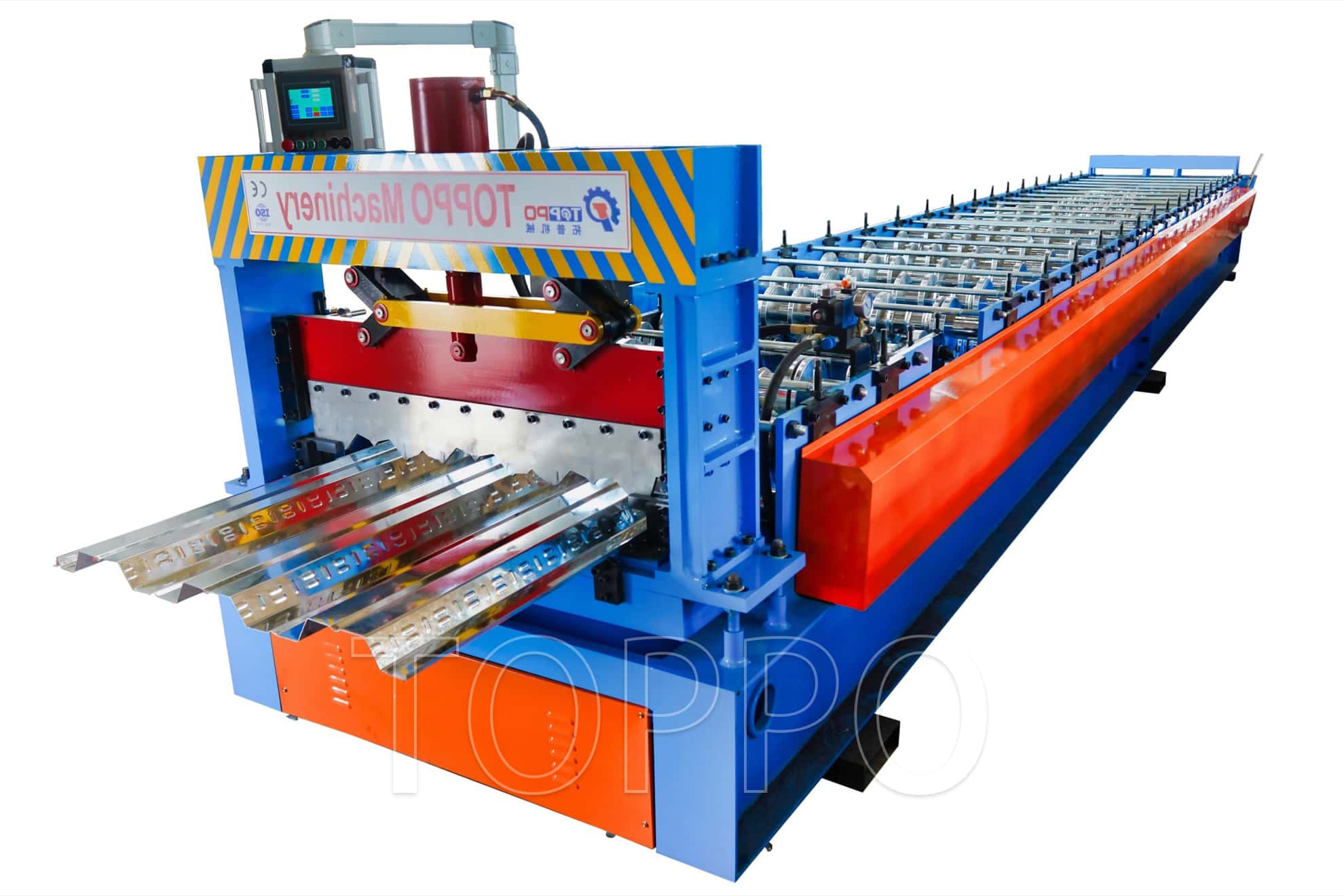
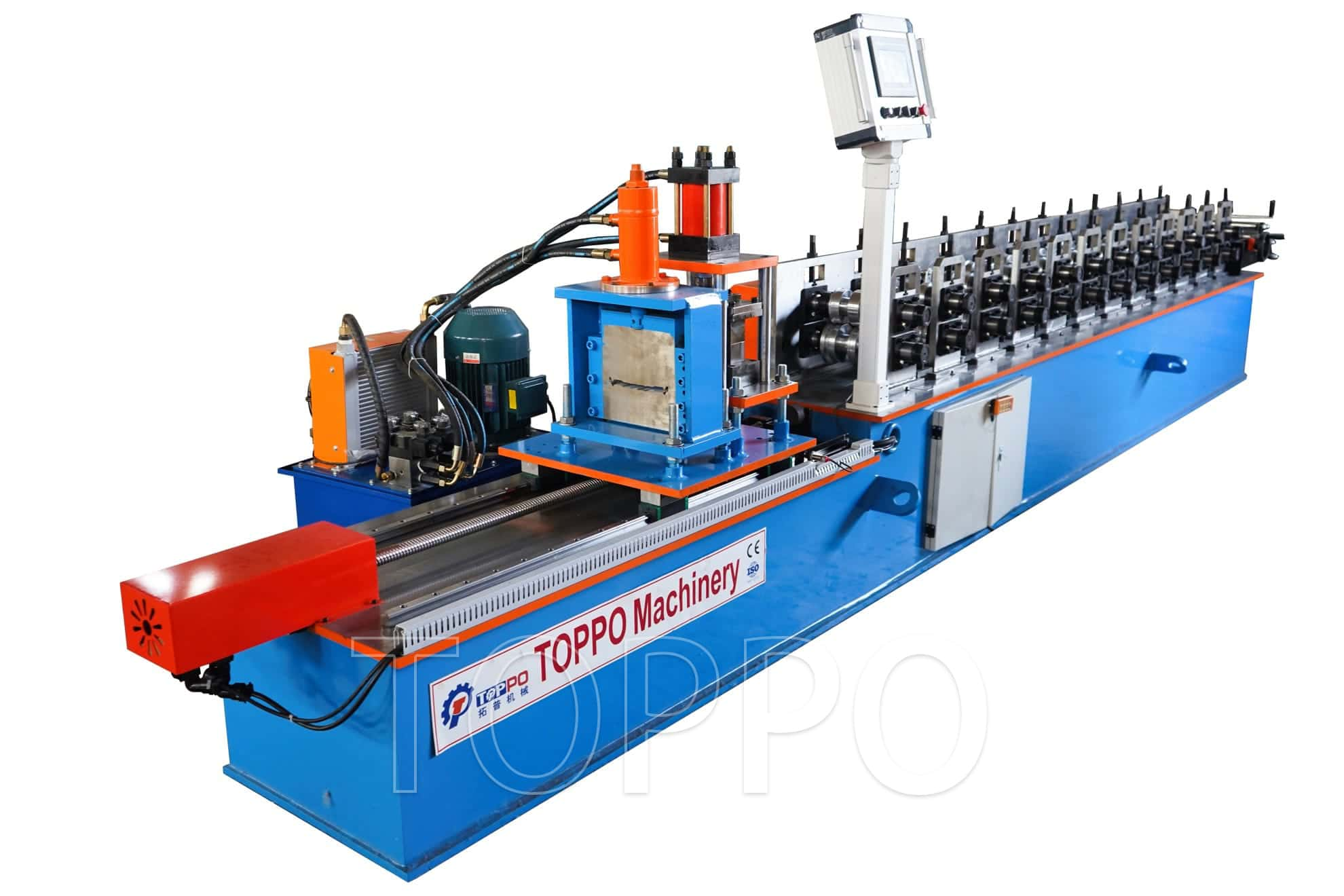
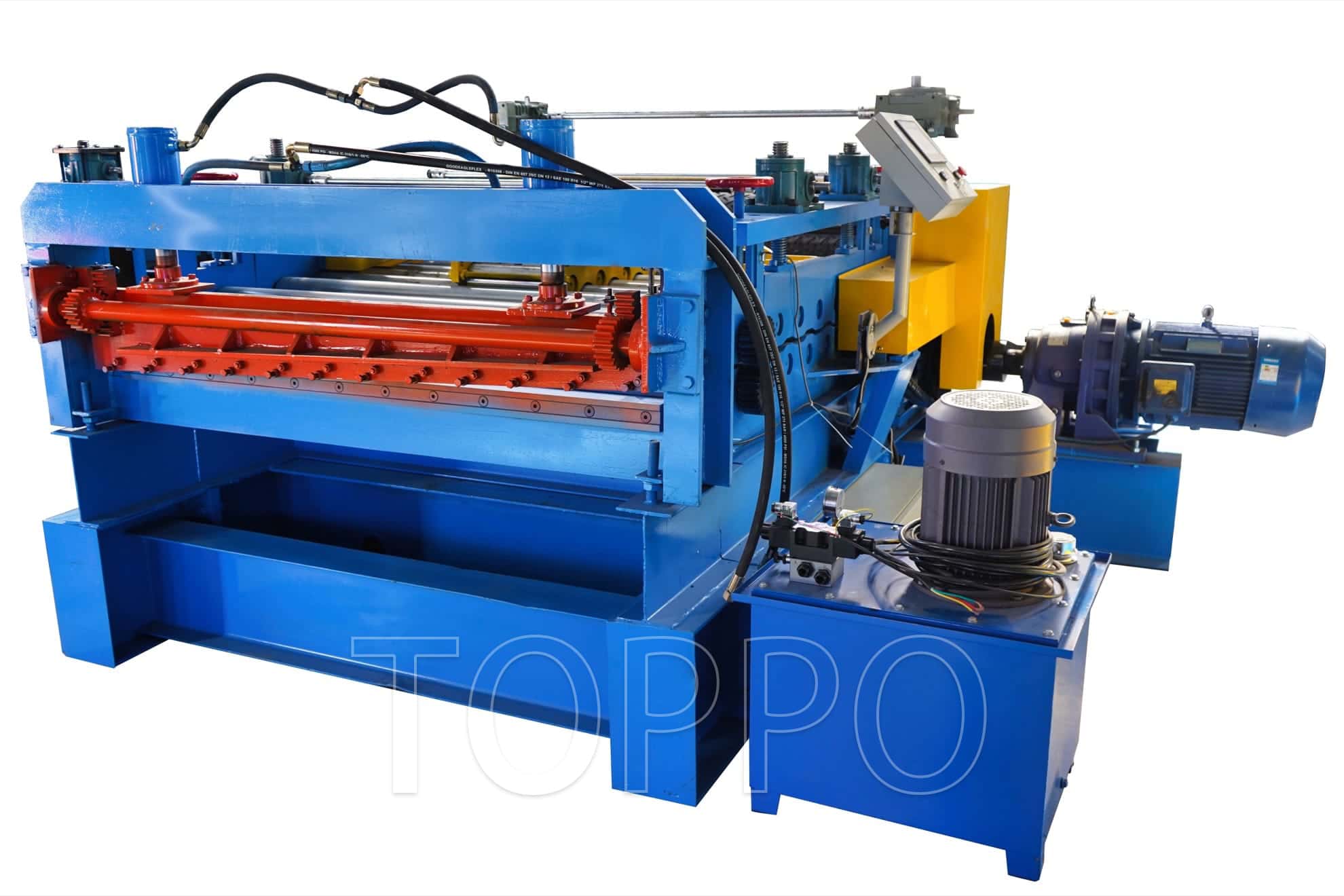
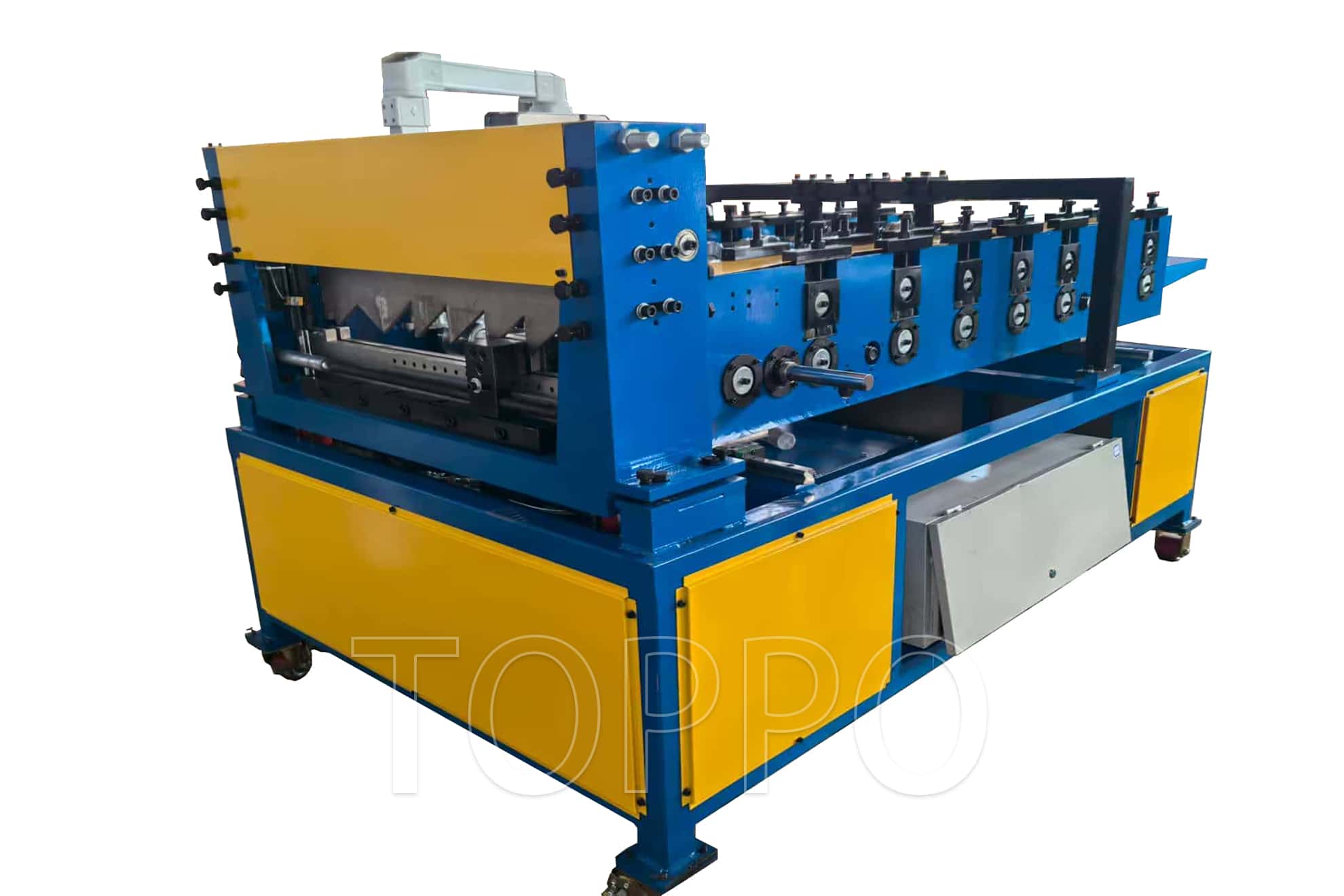
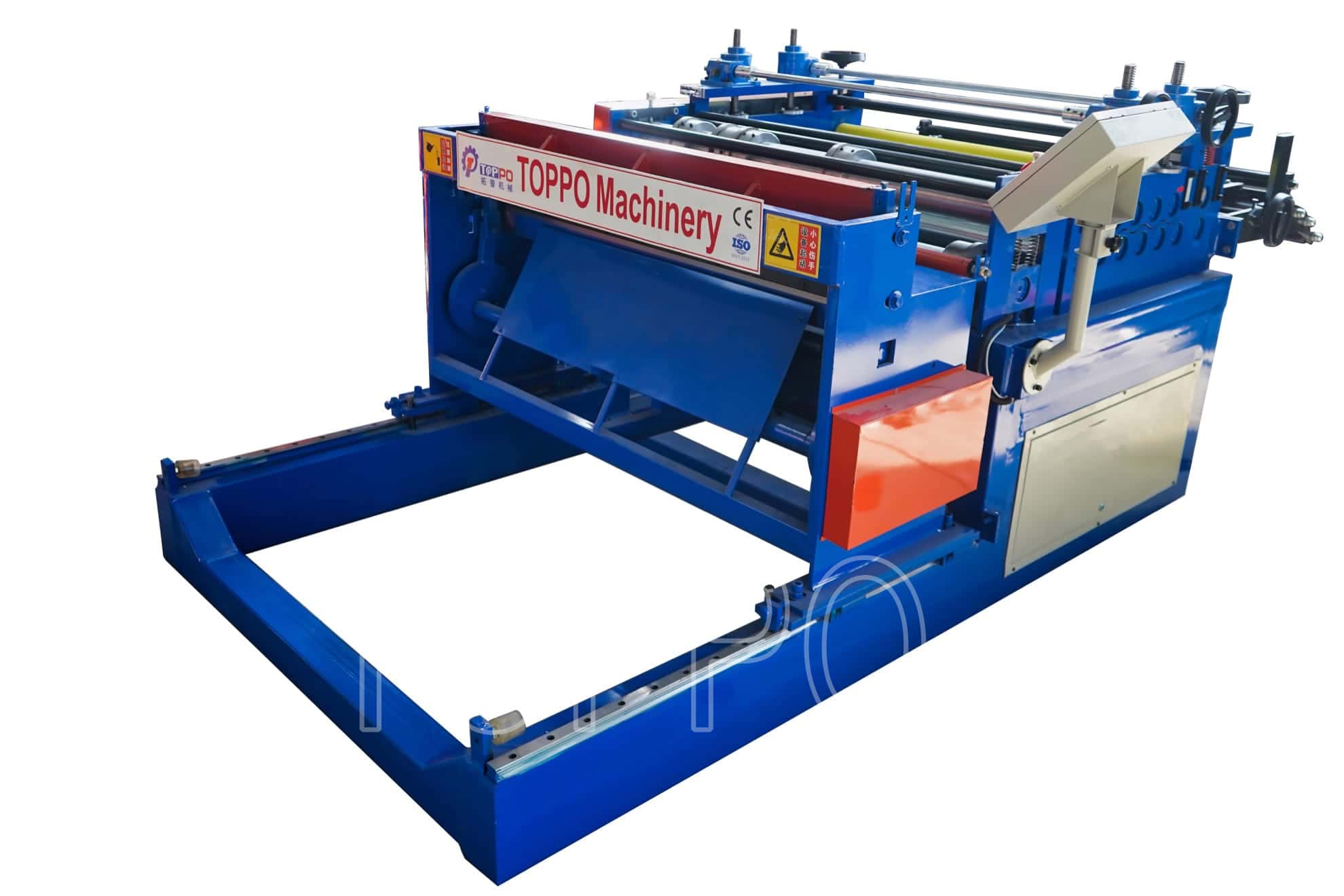
In today’s competitive roofing industry, manufacturers are constantly searching for ways to optimize production efficiency while minimizing operational costs. One of the most effective strategies is investing in a double layer roll forming system that integrates two profile designs into a single machine frame. By combining the functionality of a high speed metal steel trapezoidal roof panel tile making machine and a trapezoidal roof tile making machine, factories can significantly reduce the amount of floor space required for production without sacrificing output capacity.
Space Optimization Through Structural Integration
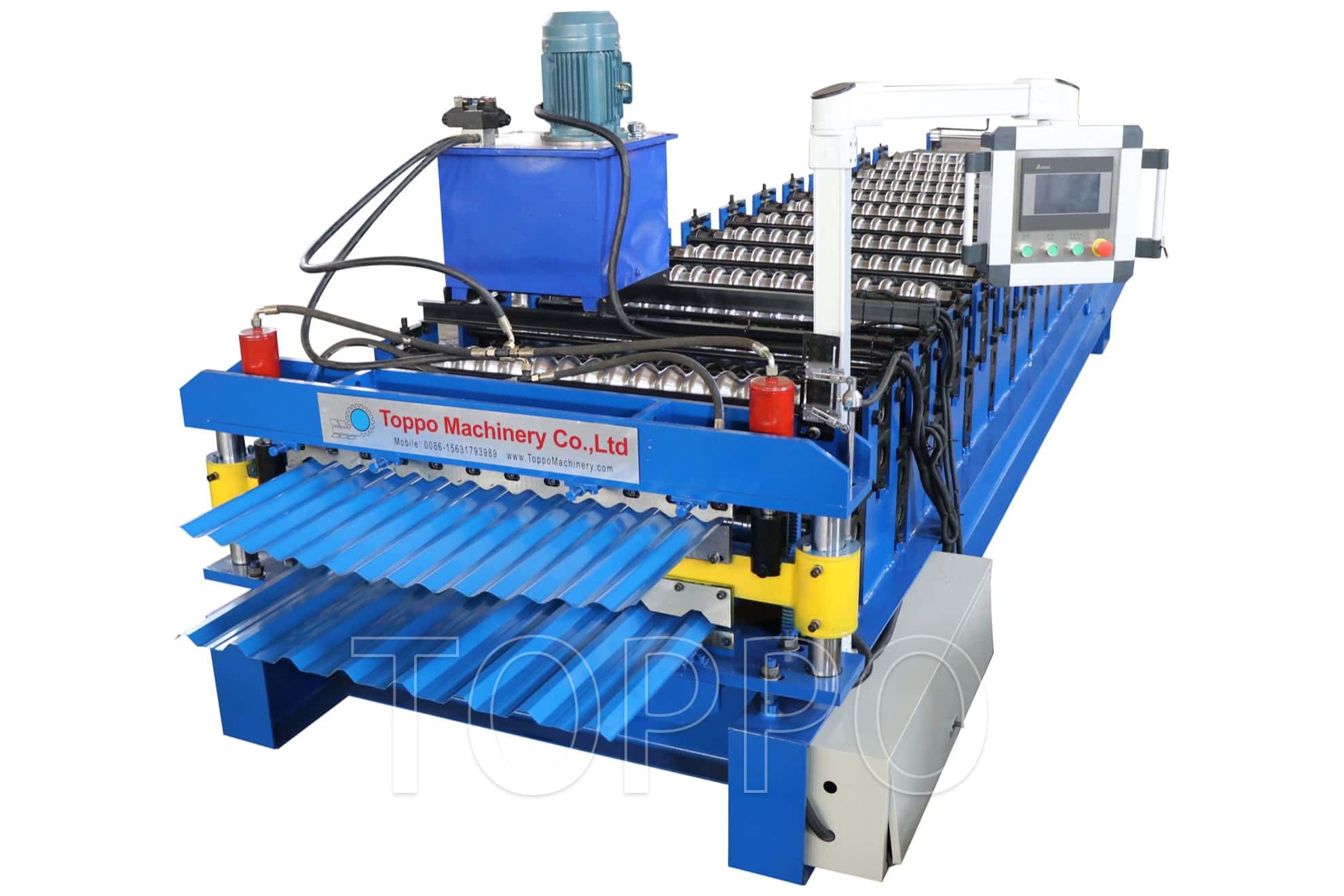
A traditional roofing production setup often requires two separate forming lines for different panel profiles. Each line includes a decoiler, roll forming section, cutting system, and run-out table. Installing two independent lines doubles the required footprint. However, a double layer configuration stacks two forming systems vertically within one structure. This design allows roofing manufacturers to operate both upper and lower layers independently, achieving the same versatility with nearly half the floor space.
Improved Production Efficiency
The integration of a high speed trapezoidal roof tile making machine ensures that production rates remain competitive even in a compact setup. Manufacturers do not need to compromise speed for space savings. In fact, modern systems are engineered for continuous operation, stable forming accuracy, and minimal downtime. With optimized drive systems and synchronized cutting units, a high speed trapezoidal roof tile making machine maintains consistent throughput across both layers.
Automation and Workflow Continuity
Automation plays a critical role in maximizing spatial efficiency. An automatic trapezoidal roof tile machine reduces the need for manual intervention, allowing operators to manage the line from a centralized control panel. By reducing the number of operators and eliminating material transfer between separate lines, factories can streamline workflow. The automatic trapezoidal roof tile machine also improves production consistency, ensuring uniform panel dimensions and reducing material waste.
Reduced Material Handling Areas
Separate machines often require independent storage zones for coils, finished panels, and spare components. A double layer trapezoidal roof tile making machine centralizes these processes. Since the high speed metal steel trapezoidal roof panel tile making machine operates within the same frame as the trapezoidal roof tile making machine, material feeding and panel discharge can be organized in a single direction. This layout minimizes cross-traffic, enhances safety, and reduces the need for additional handling equipment.
Energy and Cost Efficiency
Energy consumption is another important consideration. Operating two independent machines typically doubles electrical infrastructure requirements. In contrast, a shared hydraulic and electrical control system within a double layer high speed trapezoidal roof tile making machine lowers overall energy usage. Manufacturers benefit from reduced installation costs, simplified maintenance, and fewer spare parts compared to running two standalone lines.
Flexibility for Diverse Market Demand
The roofing market frequently demands different panel profiles depending on regional climate conditions and architectural trends. With a dual-profile trapezoidal roof tile making machine, producers can switch between panel types without rearranging factory layout. The high speed trapezoidal roof tile making machine configuration enables rapid adjustments, ensuring responsiveness to customized orders.
Scalability and Future Expansion
For manufacturers planning long-term growth, saving factory space today creates room for future expansion tomorrow. Installing one double layer system instead of two single-layer lines allows space for additional equipment such as packaging systems, inspection stations, or automated stacking units. The automatic trapezoidal roof tile machine ensures that even as production volume increases, operational flow remains efficient.
Return on Investment
When calculating ROI, roofing companies must consider equipment cost, installation expense, labor, utilities, and floor space value. By adopting a high speed metal steel trapezoidal roof panel tile making machine integrated with a trapezoidal roof tile making machine design, companies reduce capital expenditure on building expansion. Over time, the savings in rent, utilities, and workforce allocation significantly enhance profitability.
Conclusion
Double layer equipment offers a practical and cost-effective solution for roofing manufacturers seeking to optimize plant layout. Through structural integration, automation, and high-speed performance, the high speed trapezoidal roof tile making machine and automatic trapezoidal roof tile machine combination enables substantial space savings while maintaining excellent productivity. For modern roofing factories aiming to remain competitive, investing in advanced trapezoidal roof tile making machine technology is not only a space-saving decision but also a strategic move toward sustainable growth.
READ MORE: