Evaluating Warranty Standards for Roofing Roll Forming Equipment: A Practical Industry Guide
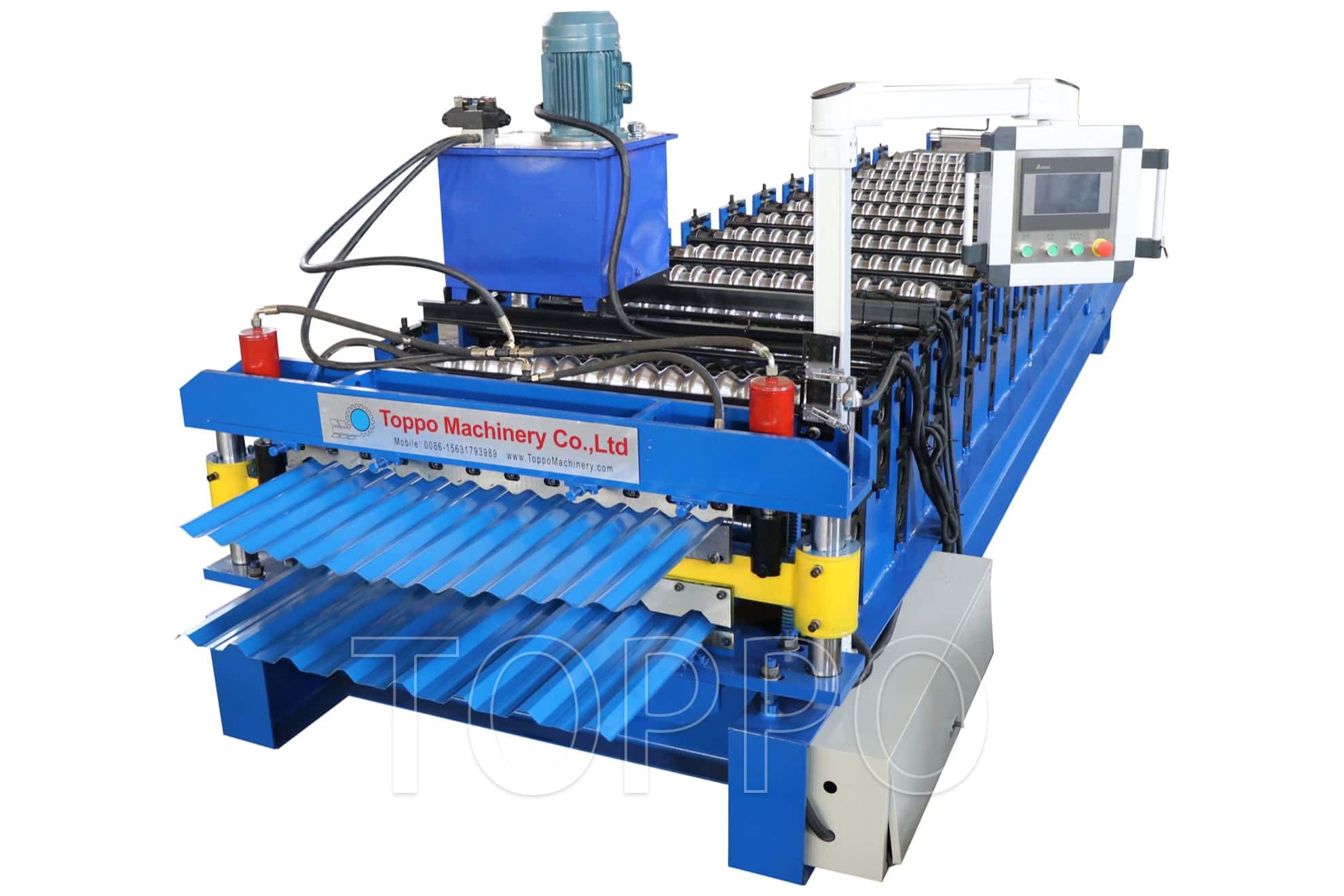
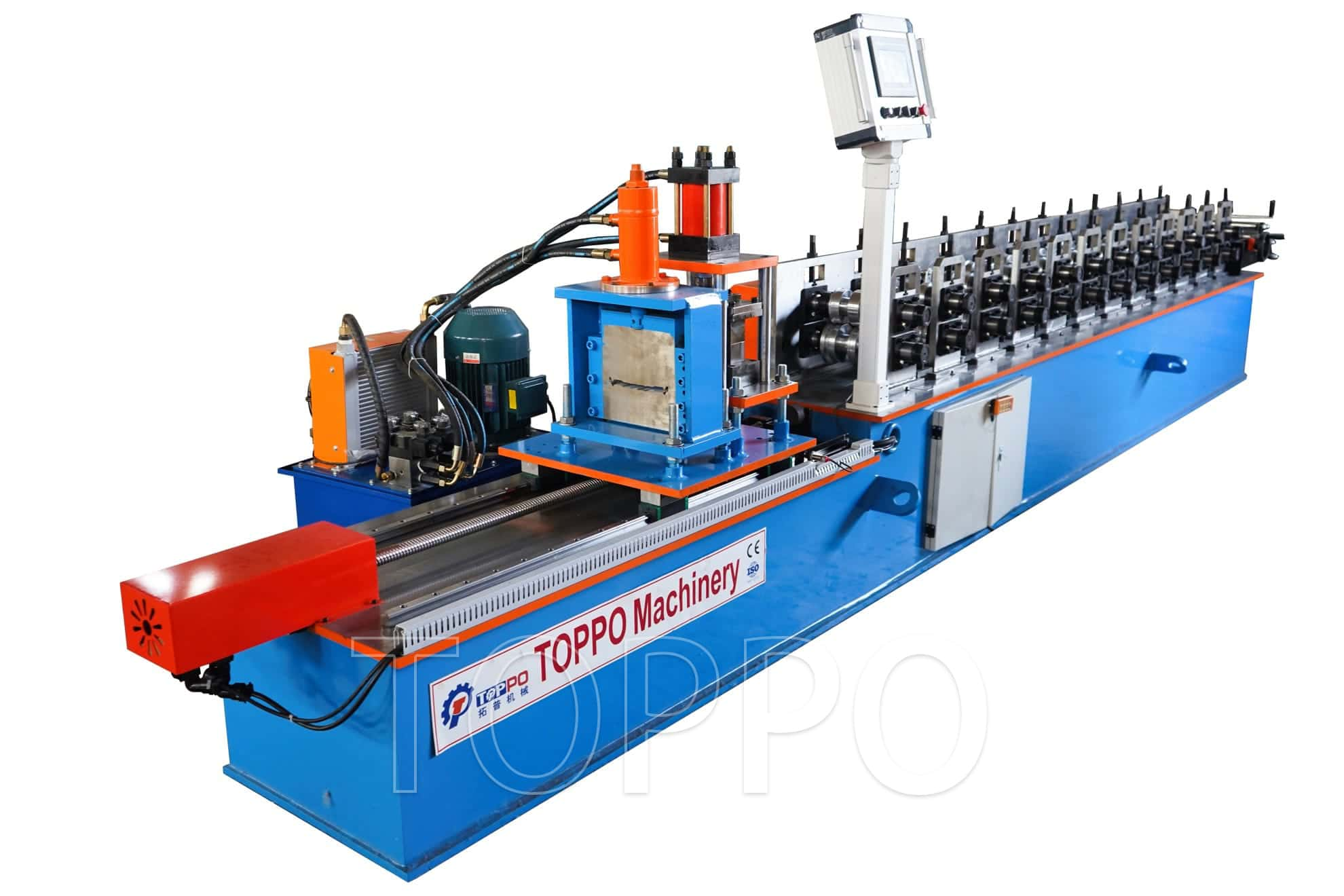
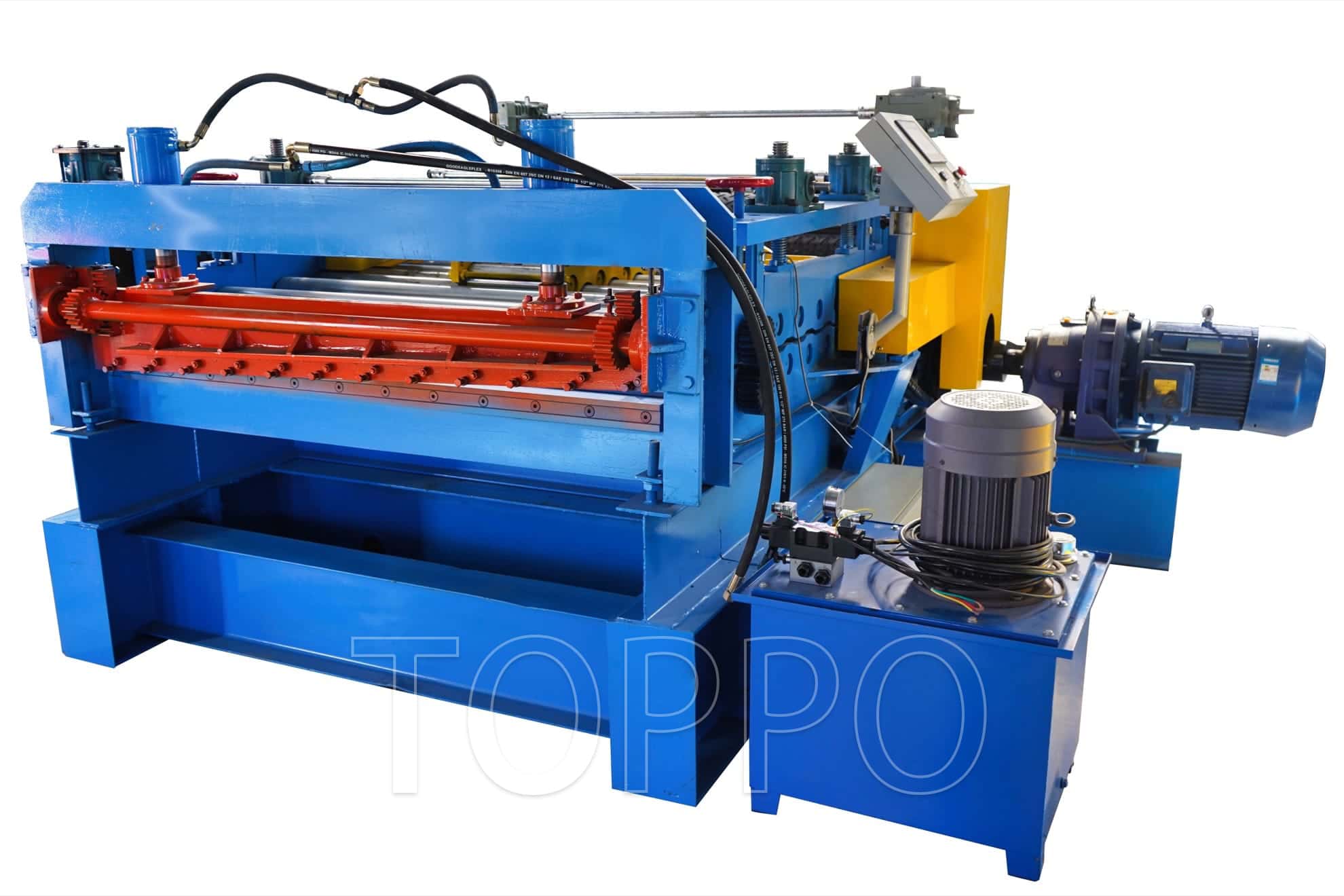
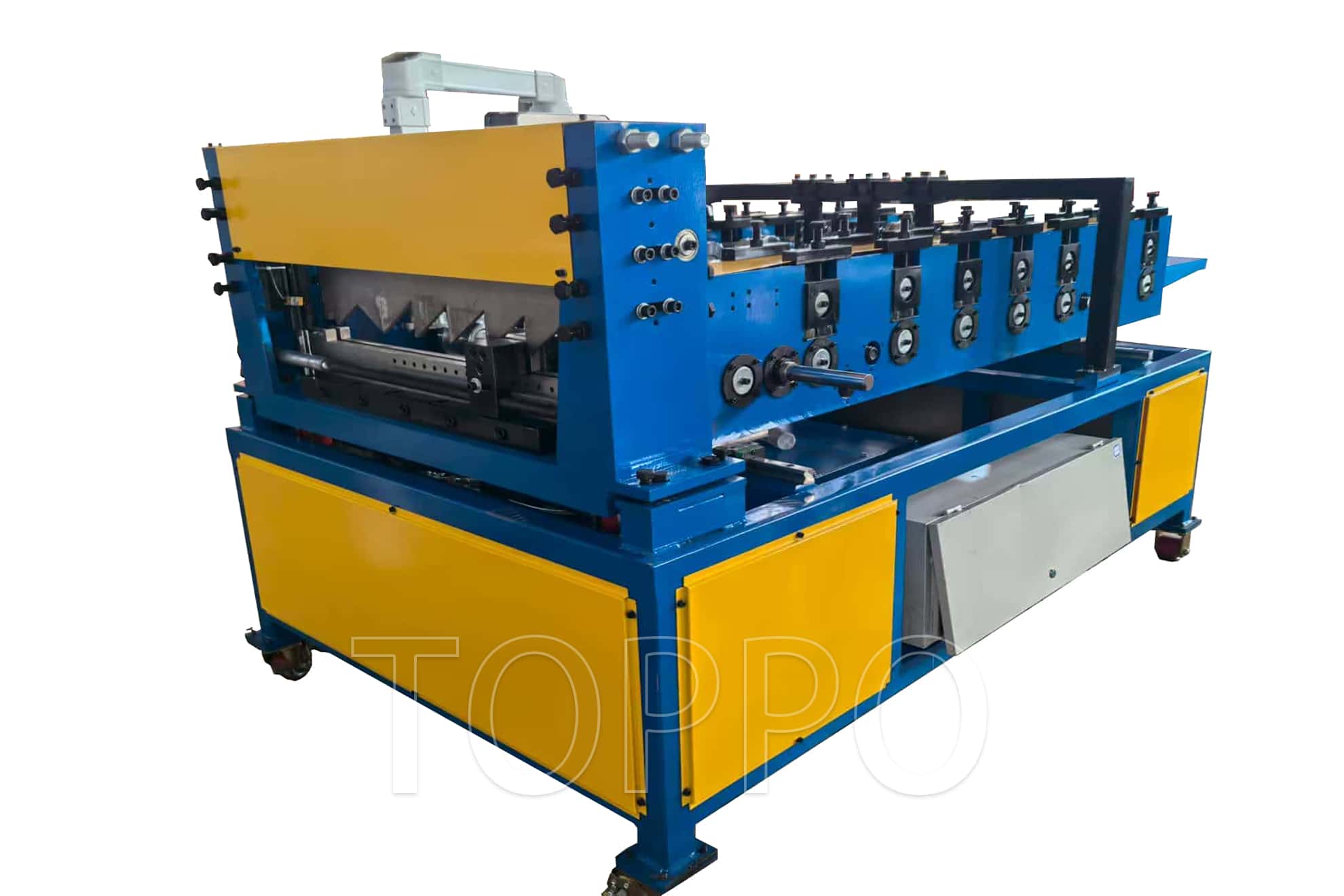
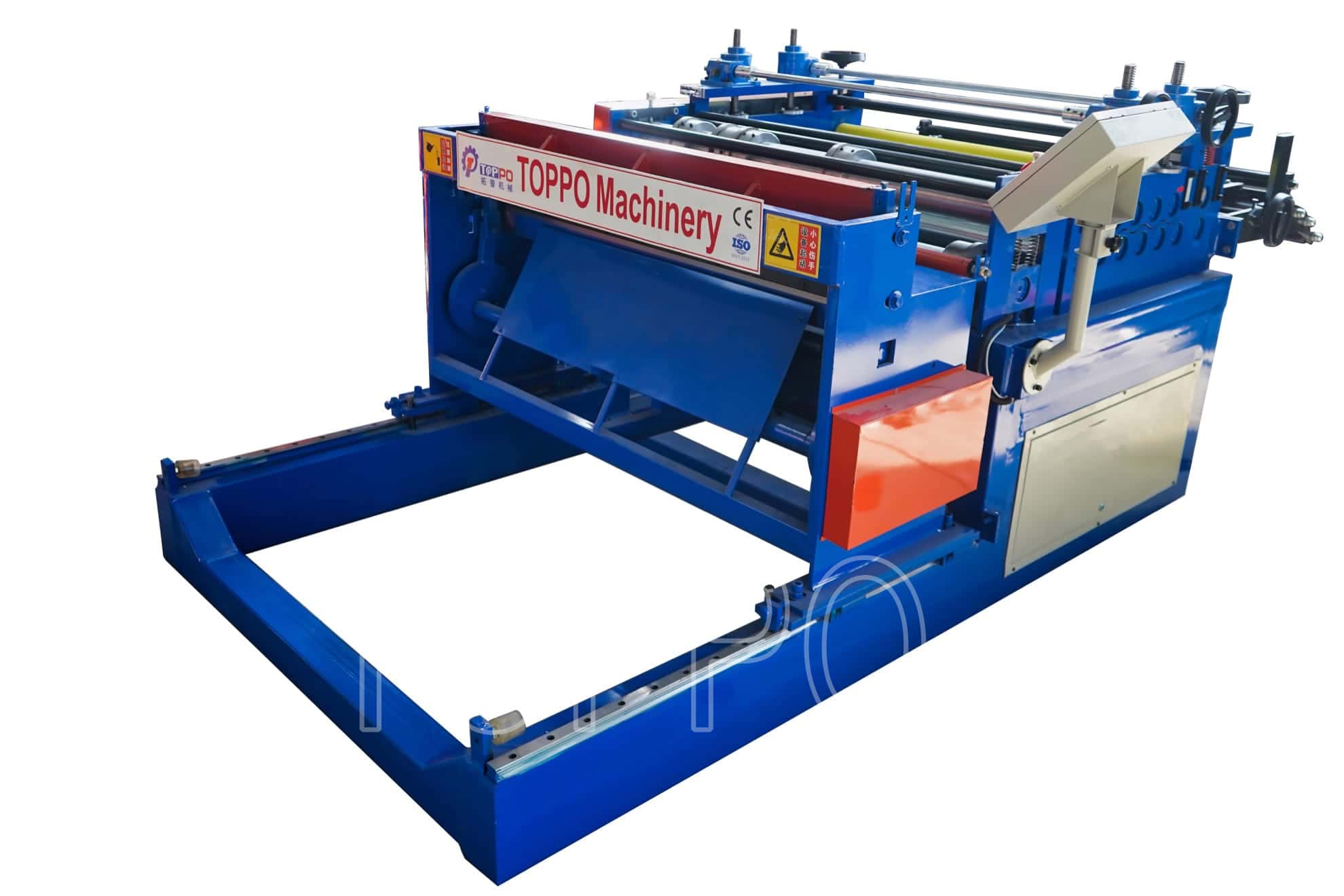
When purchasing roofing production equipment, warranty terms are often used as a key selling point. However, the real question is not simply how many years are promised, but whether the warranty structure genuinely protects your investment. For high-value systems such as a double layer roofing sheet roll forming machine, understanding warranty coverage, implementation steps, and operational responsibilities is essential.
In global markets, most professional manufacturers offer 12 to 24 months of warranty. While this range is considered standard, the true reliability of a warranty depends on technical documentation, spare parts support, inspection procedures, and after-sales responsiveness.
1. What Should a Standard Warranty Include?
A comprehensive warranty typically covers the forming section, PLC control system, hydraulic station, and drive motors. Wear parts such as cutting blades and consumable bearings are usually excluded. Buyers must carefully verify which components are listed in the official contract.
For example, when investing in a double layer roll forming machine, it is critical to confirm whether the gearbox and frequency inverter are included. Many disputes arise because buyers assume electrical systems are automatically covered.
2. Implementation Steps Before Equipment Acceptance
Step 1: Factory Testing
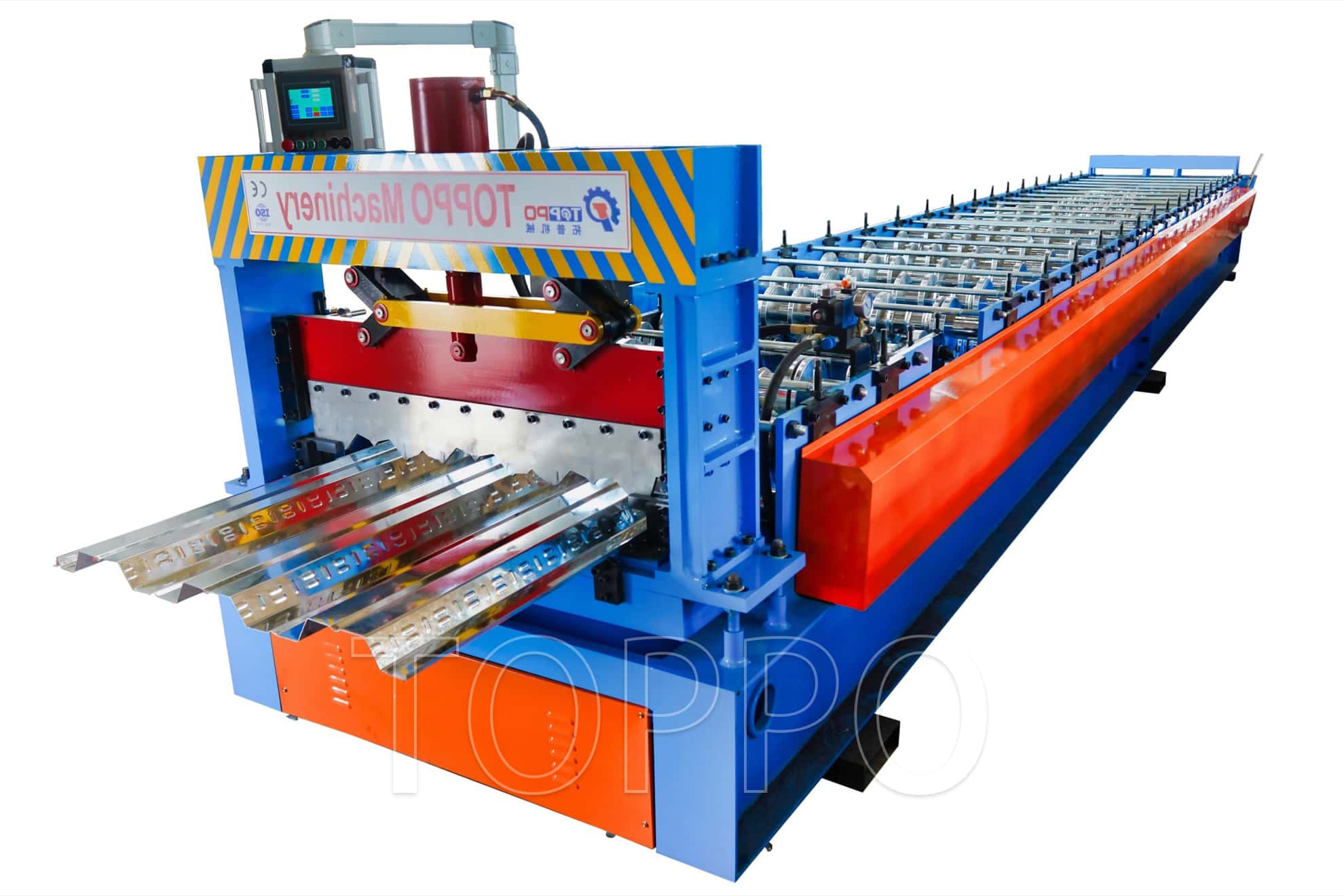
Request a full-speed production test before shipment. The double layer roofing sheet roll forming machine should run continuously for at least 30 minutes under load to monitor vibration, temperature rise, and current stability.
Step 2: Dimensional Accuracy Inspection
Measure finished panels and verify tolerance within ±1mm. Improper alignment during testing may indicate future mechanical stress.
Step 3: Electrical Safety Verification
Check emergency stop response, PLC parameter backup, and grounding stability. Electrical instability is one of the most common warranty claim issues.
These steps are equally important when commissioning a roof panel making machine in a new factory environment.
3. Common Mistakes That Reduce Warranty Value
One major mistake is neglecting installation standards. In one Southeast Asian project, improper foundation leveling caused roller misalignment. Although the machine was under warranty, the supplier rejected the claim because installation guidelines were not followed.
Another frequent error involves voltage instability. A factory in Africa connected its double layer roofing sheet roll forming machine directly to an inconsistent power supply without a stabilizer. Within six months, inverter damage occurred. Since the issue was caused by external power fluctuation, warranty coverage was denied.
Additionally, poor lubrication management significantly shortens equipment lifespan. Even a high-quality double layer roll forming machine can experience premature bearing wear if maintenance logs are not properly recorded.
4. Real Operational Case Study
A medium-sized steel construction company compared two suppliers. Supplier A offered 12 months of warranty with detailed preventive maintenance training. Supplier B promised 24 months but provided minimal technical documentation.
After 18 months of operation, Supplier A’s equipment showed stable performance due to structured training and proper alignment procedures. Meanwhile, Supplier B’s system experienced hydraulic leakage because operators were not trained to monitor pressure calibration.
This case demonstrates that professional support often matters more than an extended written warranty.
5. Inspection Checklist During Warranty Period
Monitor motor current and compare with rated values.
Check hydraulic pressure stability weekly.
Inspect roller surface for abnormal wear.
Keep electrical cabinet clean and dry.
Maintain documented lubrication schedules.
Proper documentation strengthens your position if a claim is required. When operating a roof panel making machine, daily inspection logs provide clear evidence of responsible use.
6. Why 18 Months Is Often a Balanced Choice
Industry data shows that most mechanical or electrical defects appear within the first year. Extending coverage to 18 months offers reasonable protection without significantly increasing purchase cost. For integrated systems like a double layer roofing sheet roll forming machine, additional coverage is beneficial because profile switching mechanisms require precision calibration.
However, buyers must understand that warranty does not replace maintenance responsibility. Following operating manuals, stabilizing power supply, and training technicians are equally important.
Conclusion
A reliable warranty for roofing equipment should range between 12 and 24 months, depending on configuration and project scale. More importantly, buyers must verify coverage details, enforce strict inspection procedures, and avoid common operational mistakes. By combining realistic warranty expectations with disciplined maintenance, manufacturers can ensure long-term stability and maximize return on investment when operating advanced roofing production systems.
SEO Keywords
double layer roofing sheet roll forming machine, double layer roll forming machine, roof panel making machine, metal roofing roll former, steel roll forming machine, roofing sheet roll forming machine
Tags
double layer roofing sheet roll forming machine, double layer roll forming machine, roof panel making machine
READ MORE: