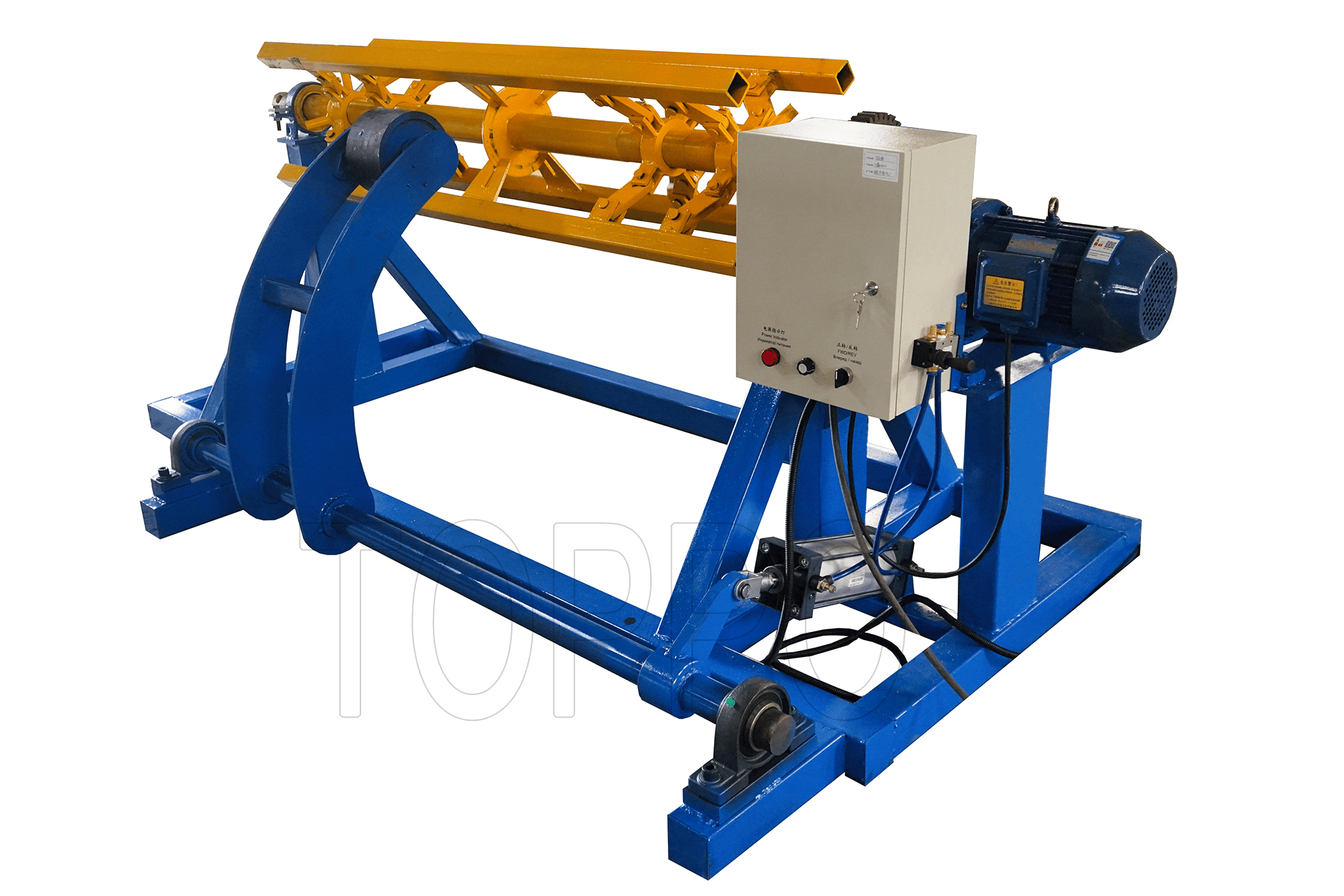
Calculating Staffing Needs for a High-Efficiency Roofing Roll Forming Line
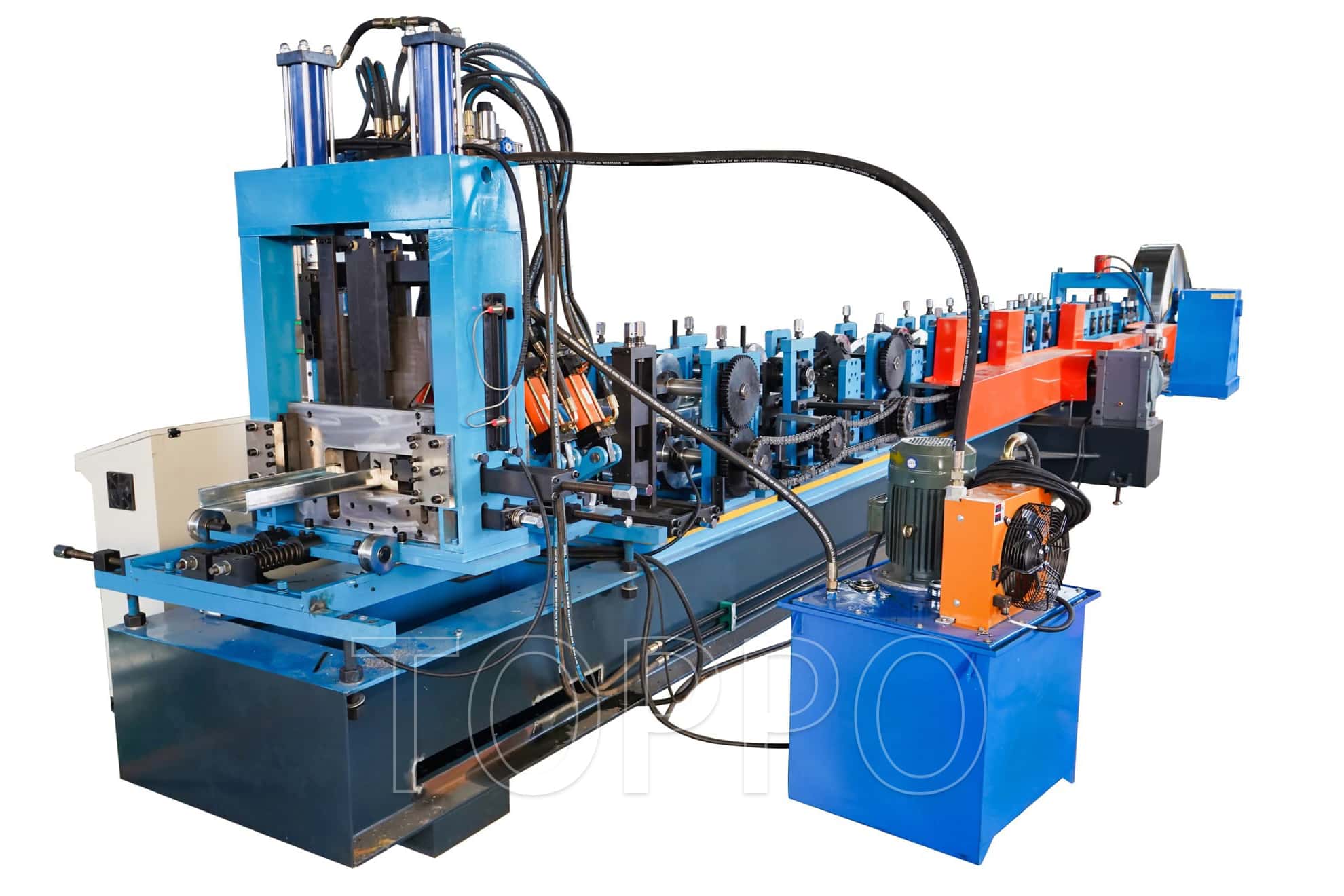
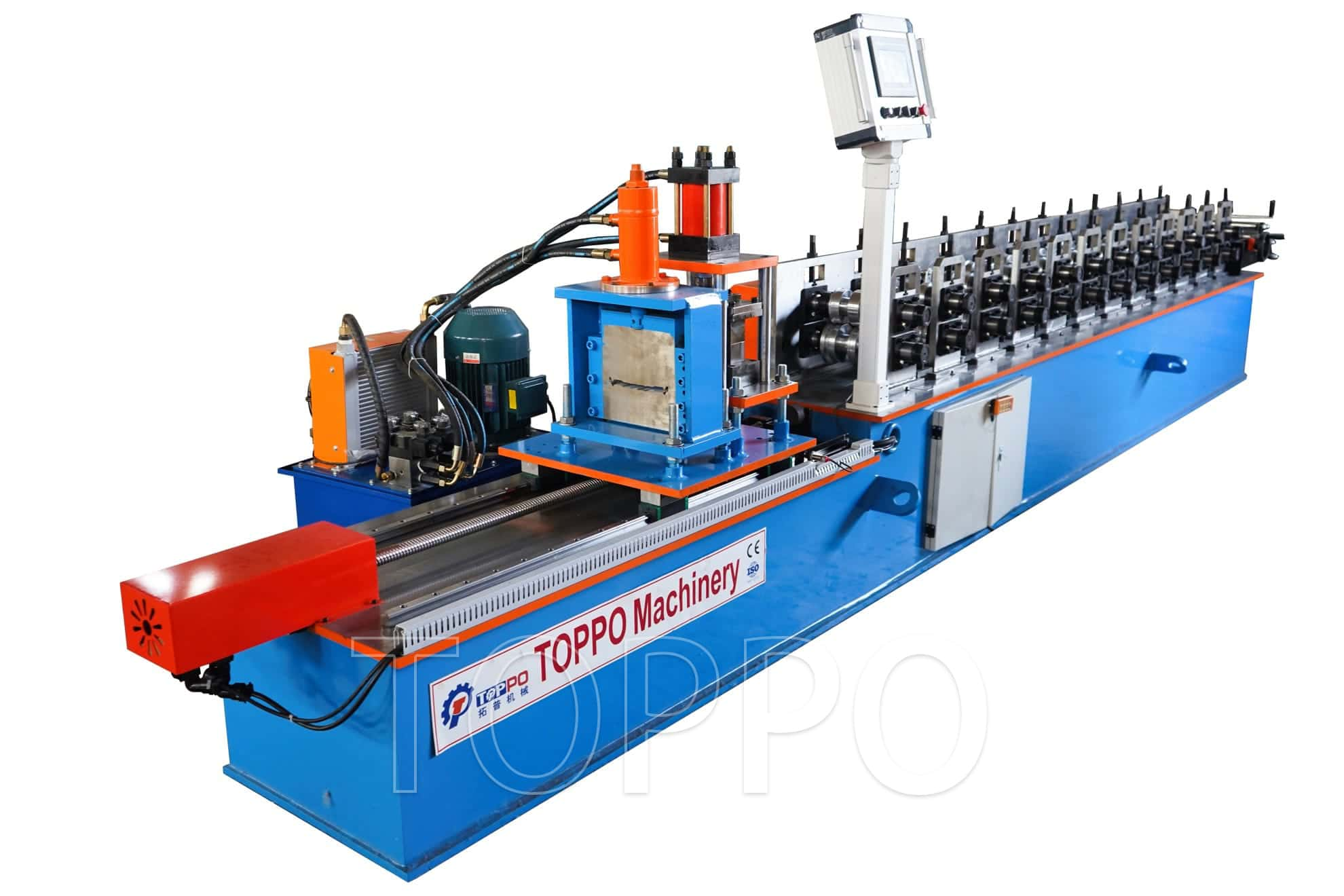
When investing in a roofing roll forming line, manufacturers often ask how many workers are truly required to keep production running smoothly. Labor planning affects not only operating costs but also output stability and long-term scalability. With modern equipment such as the automatic custom c z steel purlin roll forming machine, staffing requirements are far lower than those of traditional roll forming lines.
This article provides a practical guide to calculating staffing needs for a roofing roll forming line and explains how automation reshapes workforce structures.
Labor Requirements in Traditional Roofing Lines
In conventional production environments, many tasks depend on manual operation. Workers are responsible for coil feeding, roller adjustments, punching alignment, quality inspection, and finished product handling.
As a result, a traditional roofing roll forming line typically requires 6 to 9 workers per shift. Output consistency depends heavily on operator skill and coordination.
Automation and Workforce Optimization
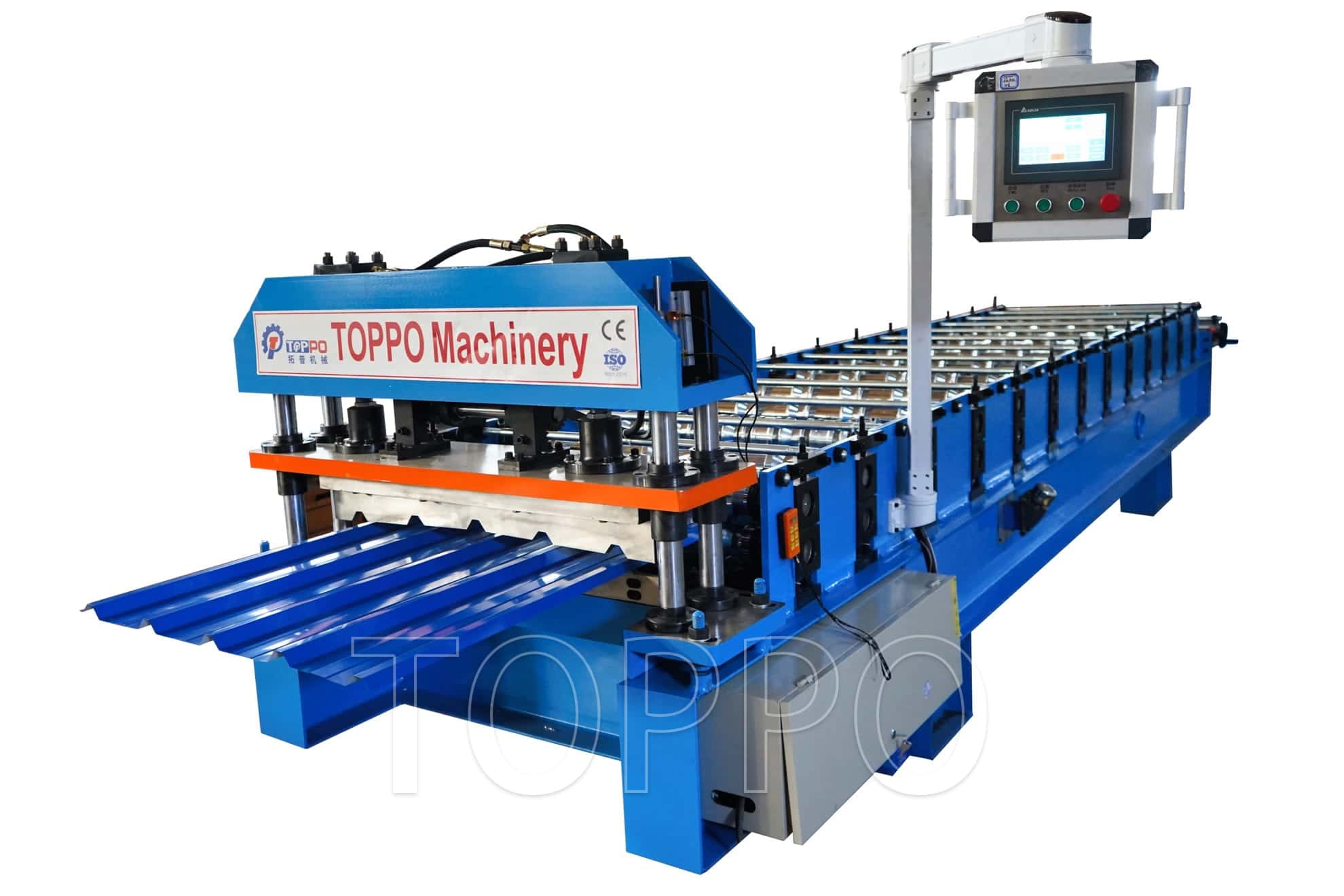
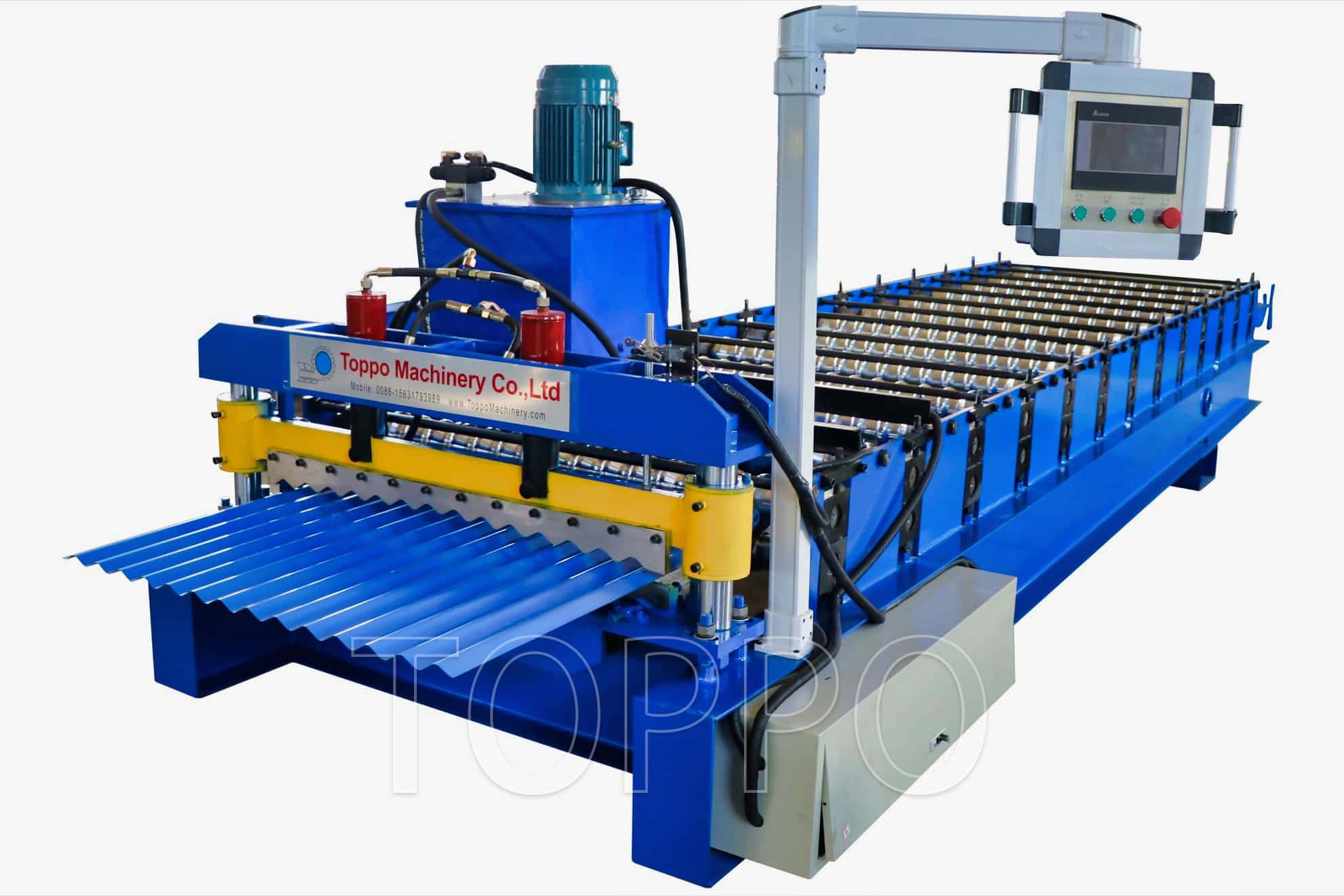
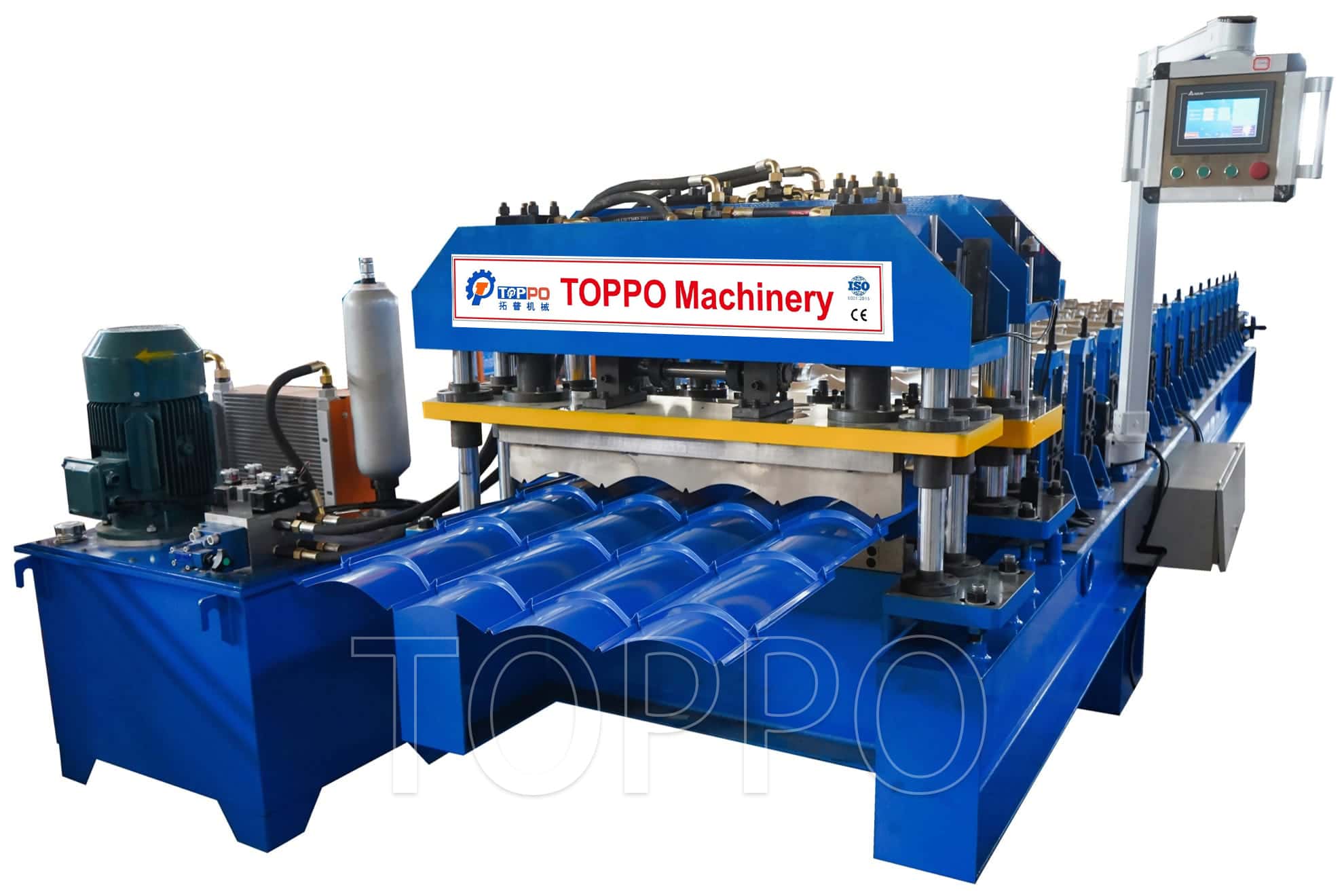
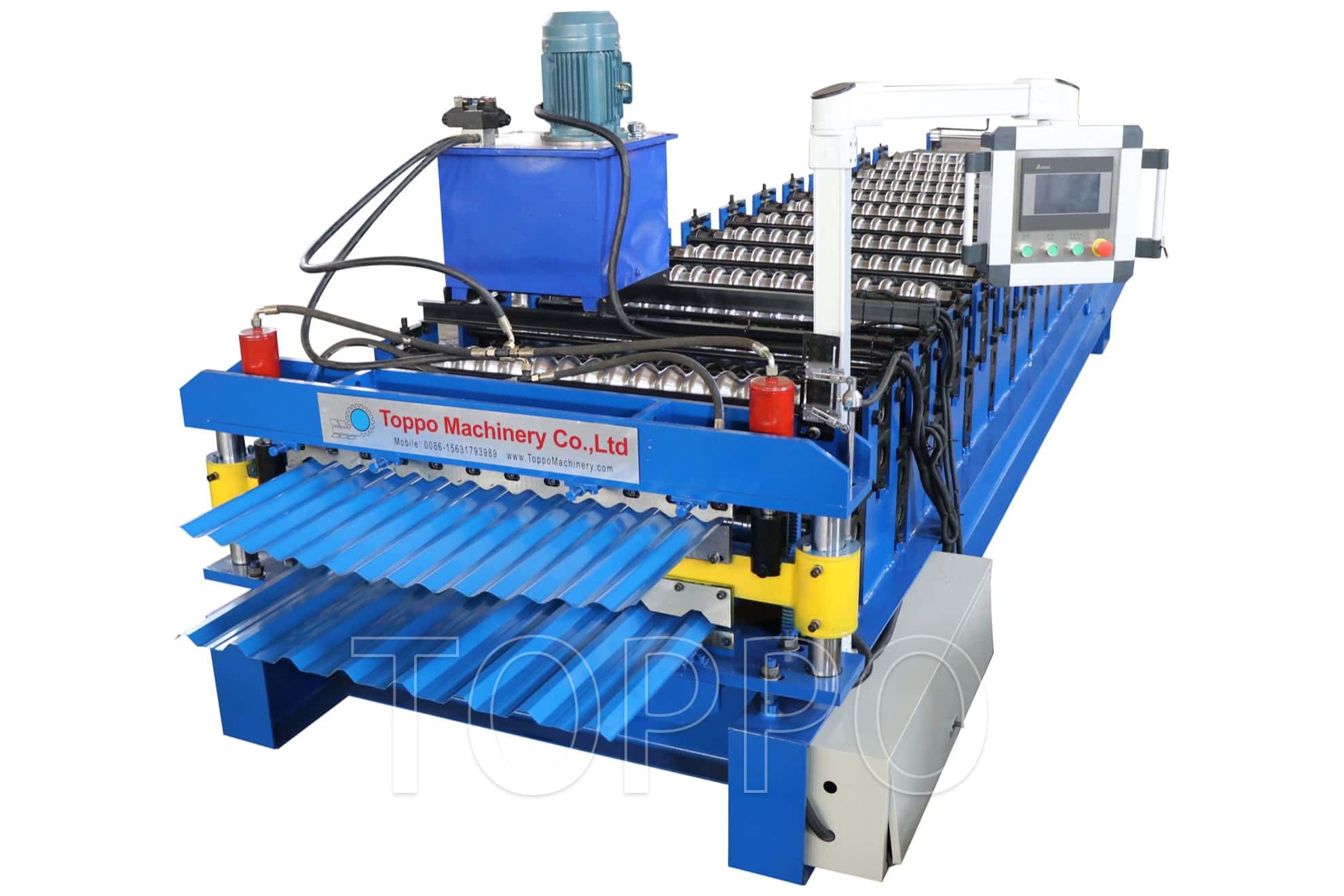
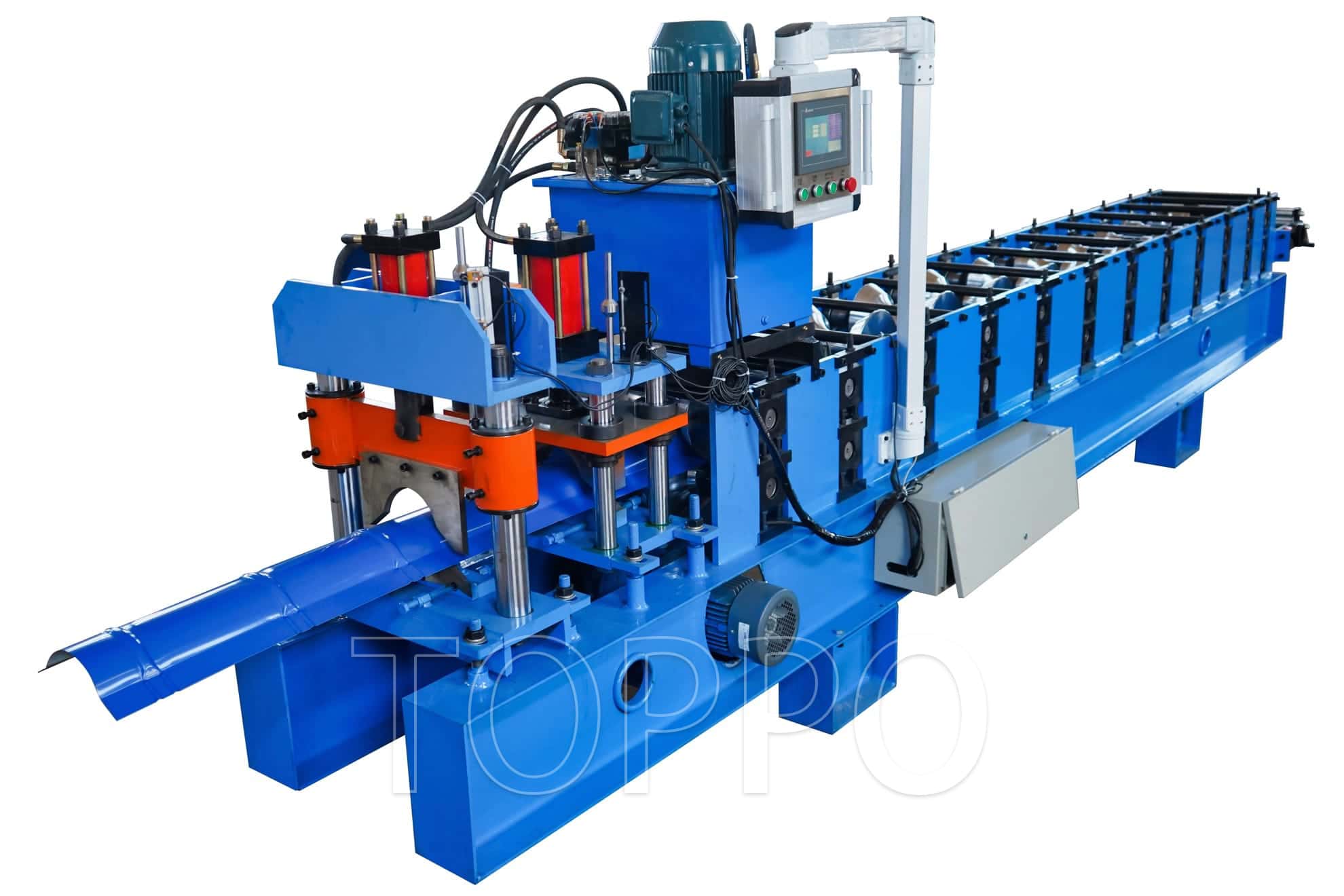
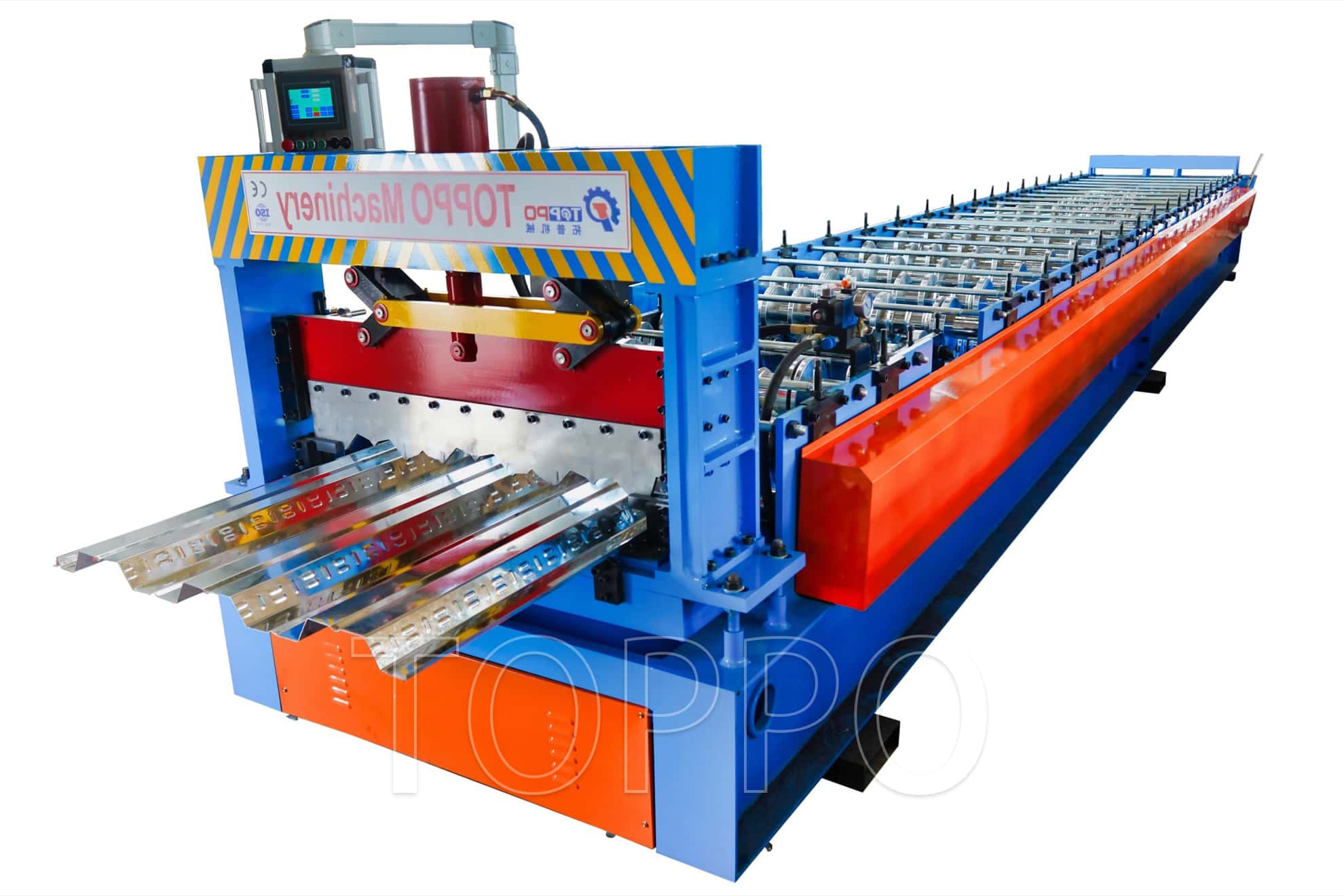
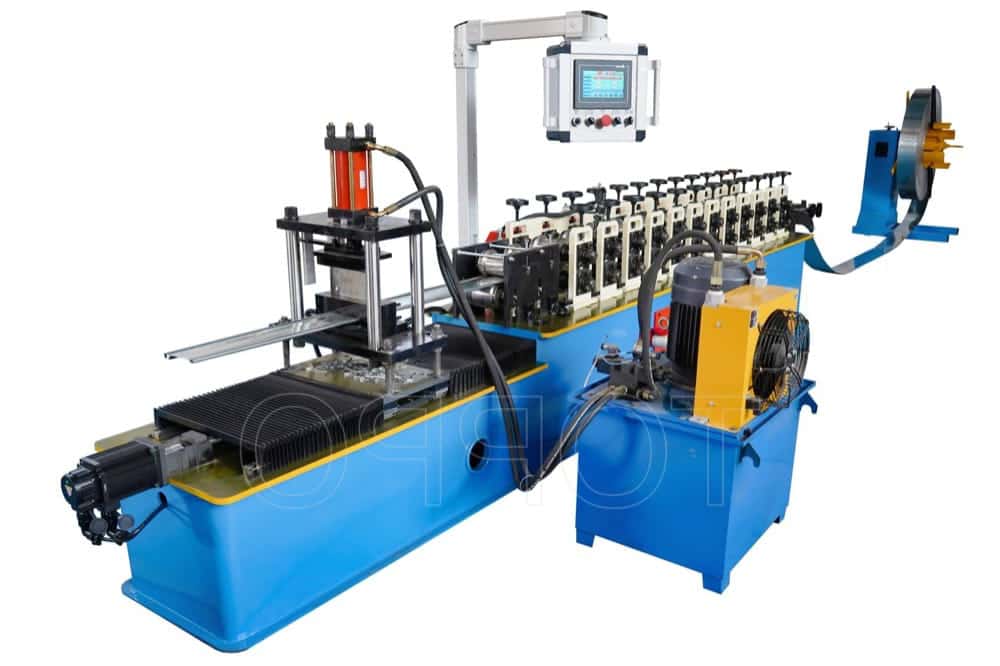
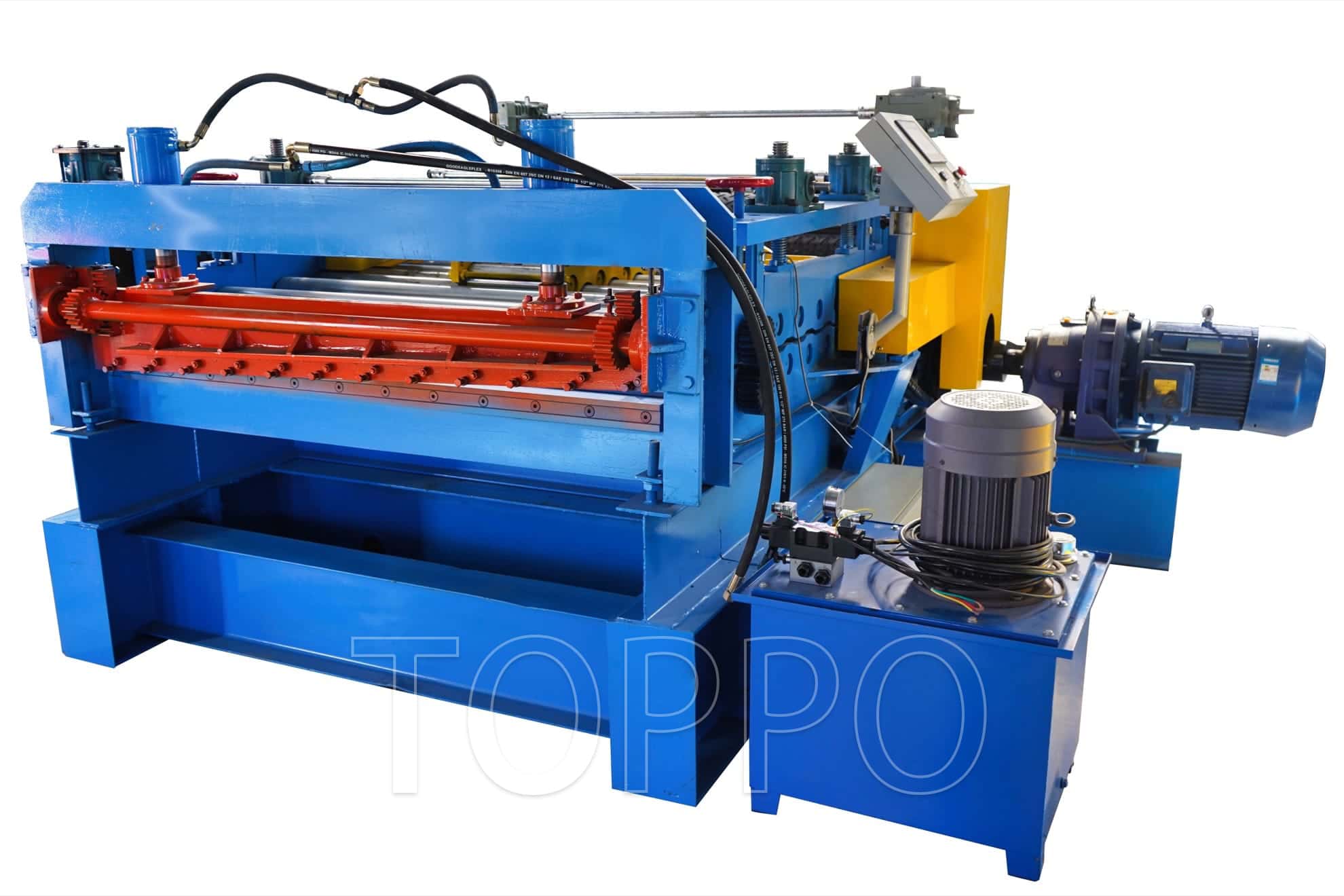
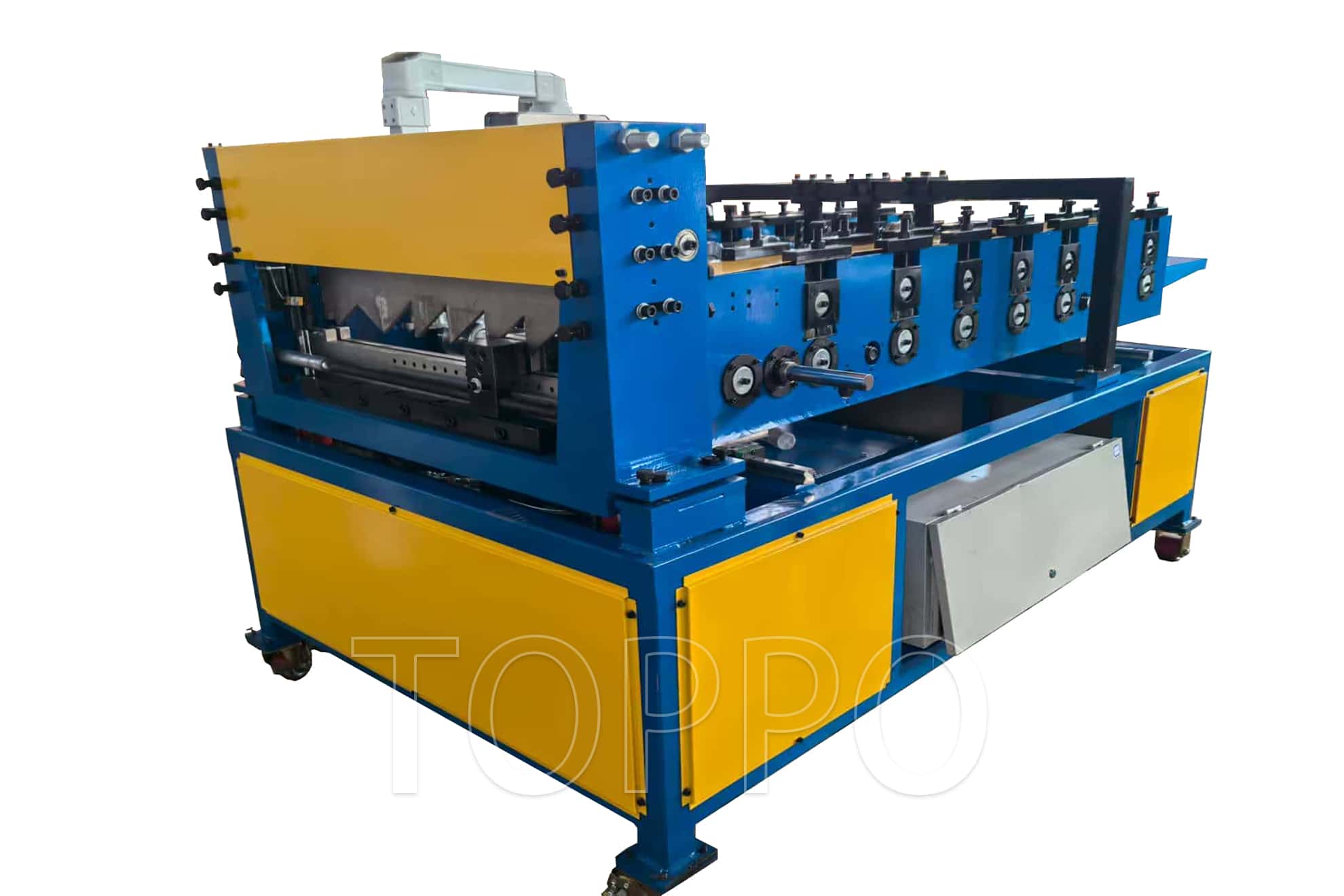
Automation dramatically simplifies labor planning. A modern roof panel making machine integrates forming, cutting, and control systems, allowing most processes to be managed from a central interface.
The automatic custom c z steel purlin roll forming machine further reduces labor demand by automating profile changeovers and punching operations, which previously required dedicated operators.
Typical Staffing Model for an Automated Line
For most automated roofing roll forming lines, the staffing model includes:
One main operator monitoring the PLC system and production parameters.
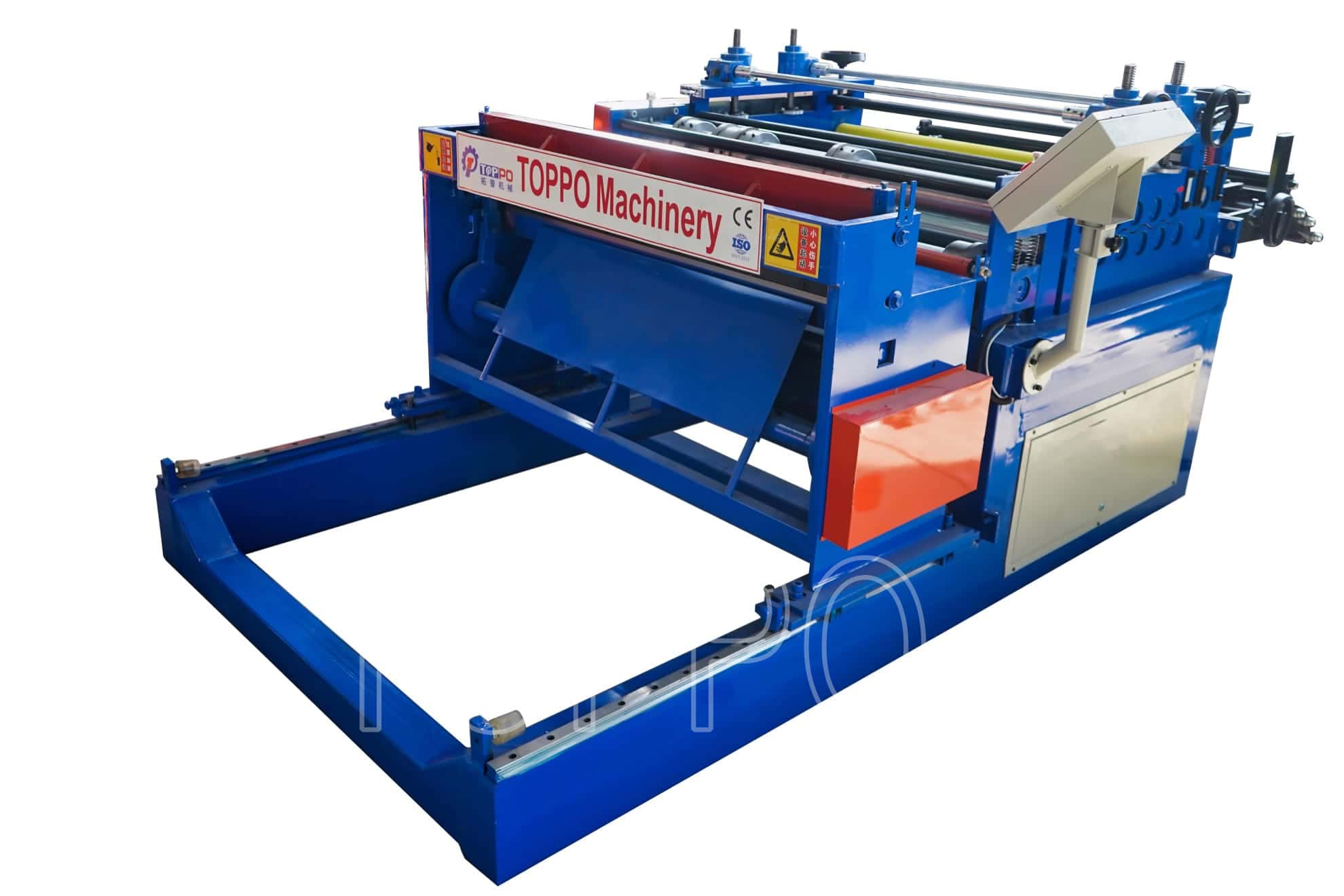
One worker managing coil loading and material alignment.
One worker handling finished product stacking and packaging.
With a stable c z steel purlin roll forming machine, this small team can maintain continuous, high-speed production.
Cost Efficiency and Productivity Benefits
Reducing workforce size leads to immediate labor cost savings and easier management. Automation also minimizes human error, reducing scrap, rework, and downtime.
Using a reliable roof panel making machine ensures consistent quality across shifts, enabling accurate production scheduling and faster order fulfillment.
Scaling Production Without Increasing Labor
One of the biggest advantages of automation is scalability. Manufacturers can increase output by adding shifts or extending operating hours without significantly increasing staffing levels.
By integrating an intelligent c z steel purlin roll forming machine, roofing manufacturers build flexible production lines that support long-term growth.
Conclusion
The number of workers needed to run a roofing roll forming line depends largely on the level of automation. While traditional lines require large teams, modern automated systems allow efficient operation with minimal staff. Investing in automation is a strategic decision that delivers lasting benefits in productivity, cost control, and operational stability.
READ MORE: