Optimizing Labor Allocation for Roofing Roll Forming Line Operations
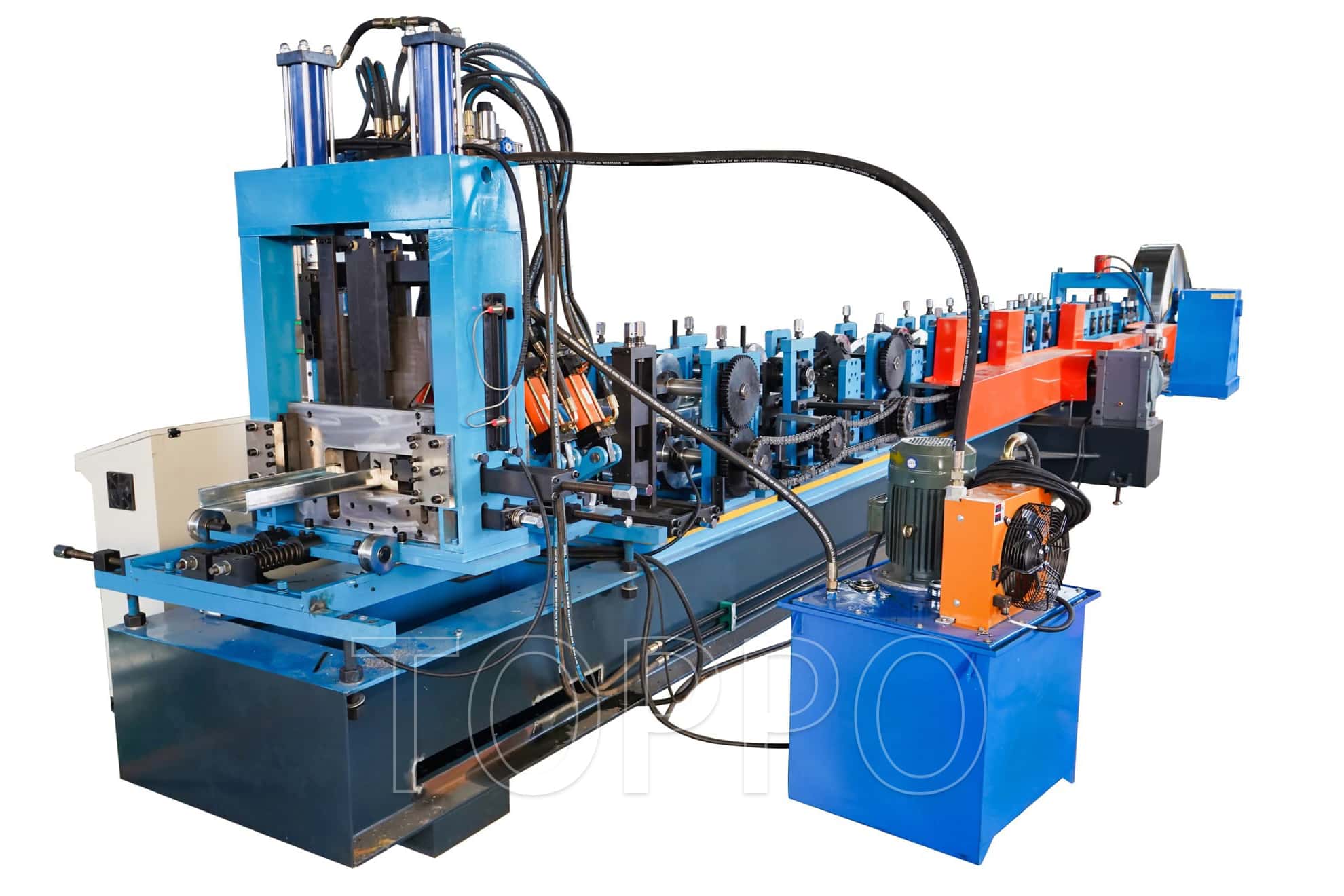
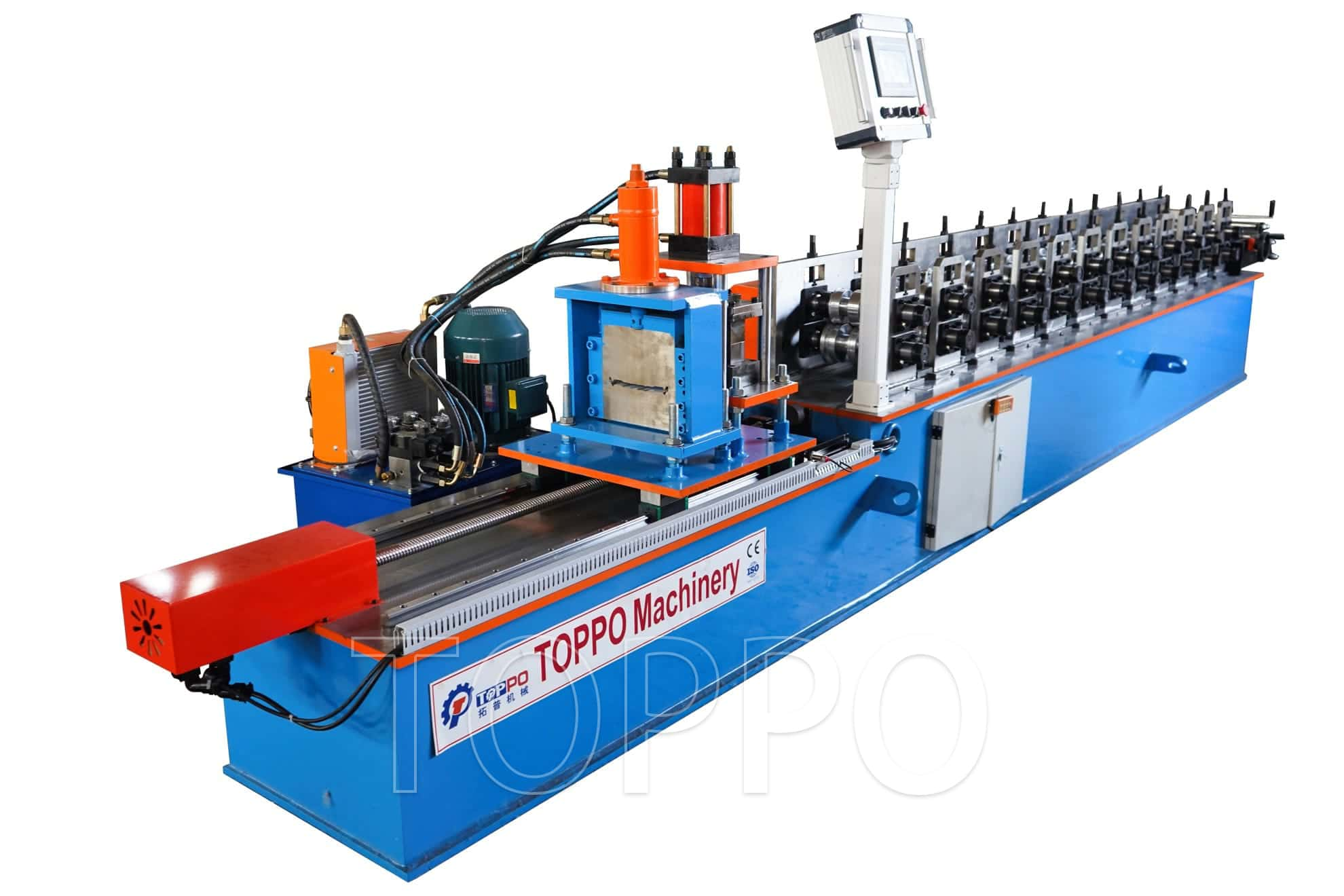
For roofing manufacturers, understanding labor requirements is essential when setting up or upgrading a roll forming line. Workforce size directly affects production costs, efficiency, and long-term competitiveness. With advanced solutions such as the automatic custom c z steel purlin roll forming machine, manufacturers can significantly reduce labor while maintaining high output and consistent quality.
This article explains how many workers are typically needed to run a roofing roll forming line and how automation transforms labor allocation.
Labor Challenges in Conventional Production Lines
Traditional roofing roll forming lines rely heavily on manual intervention. Workers are responsible for feeding steel coils, adjusting rollers, monitoring profile accuracy, and handling finished products. Each task requires coordination and experience.
As a result, conventional lines often require 6 to 8 workers per shift, and productivity varies depending on operator skill and physical endurance.
Automation Reduces Workforce Requirements
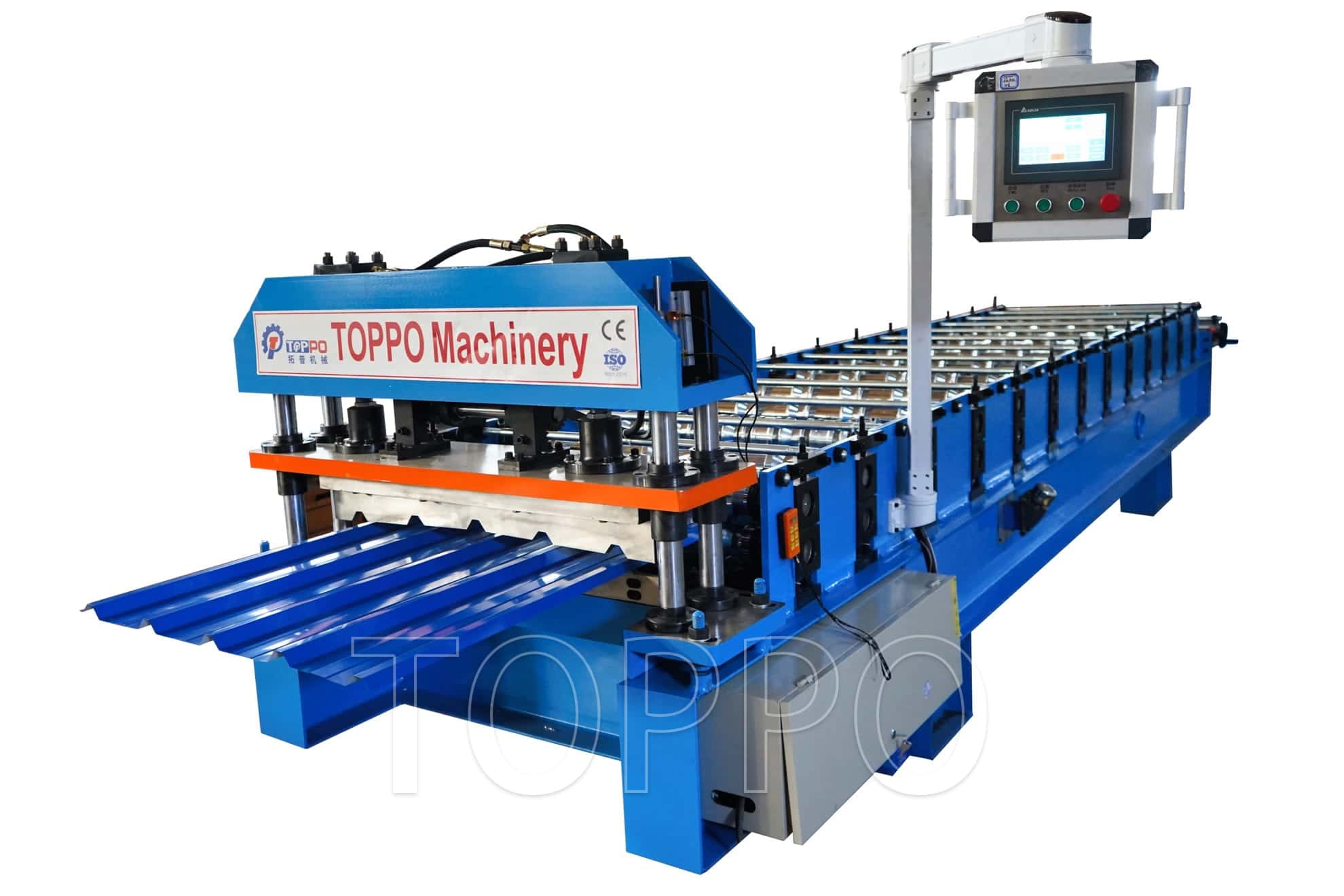
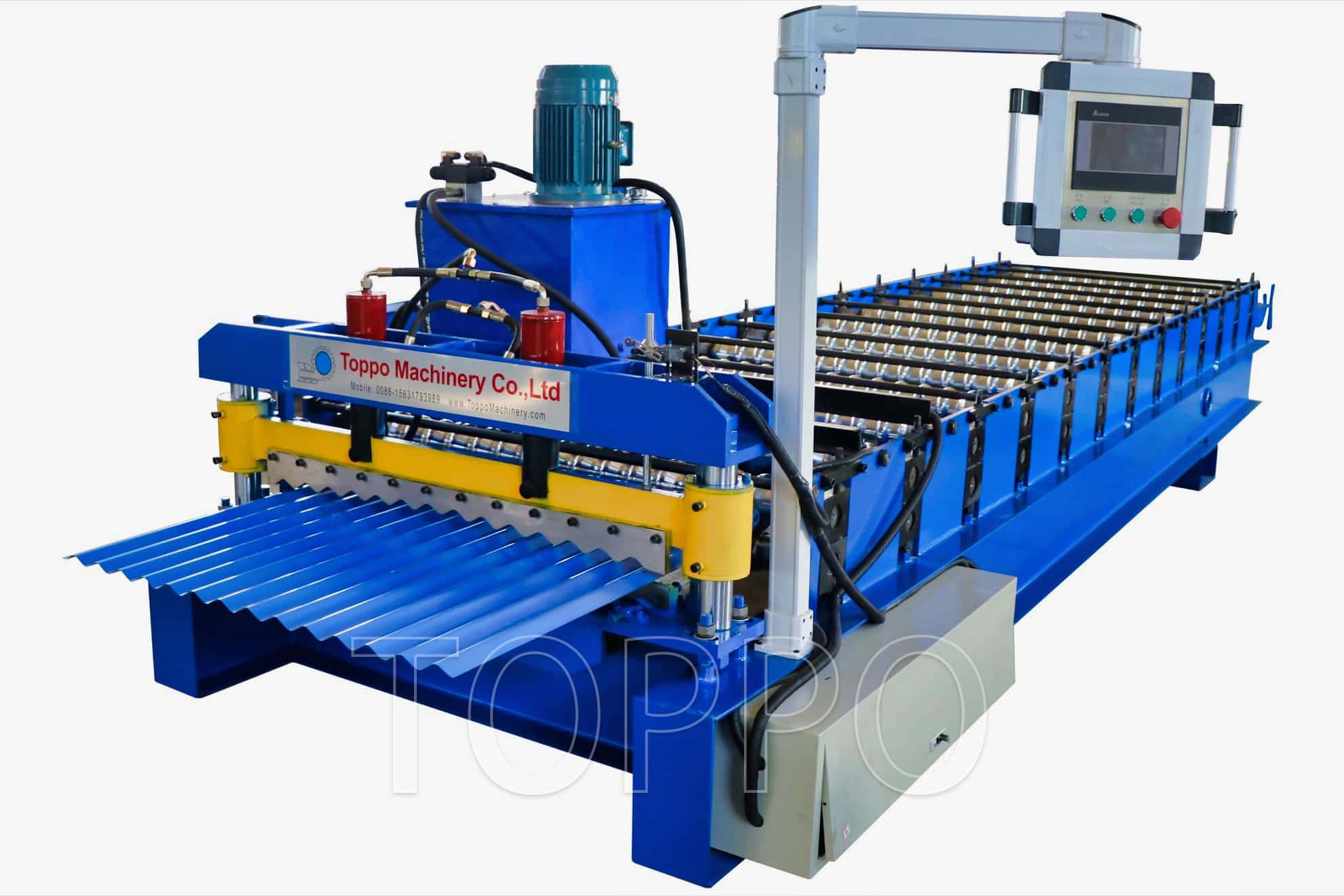
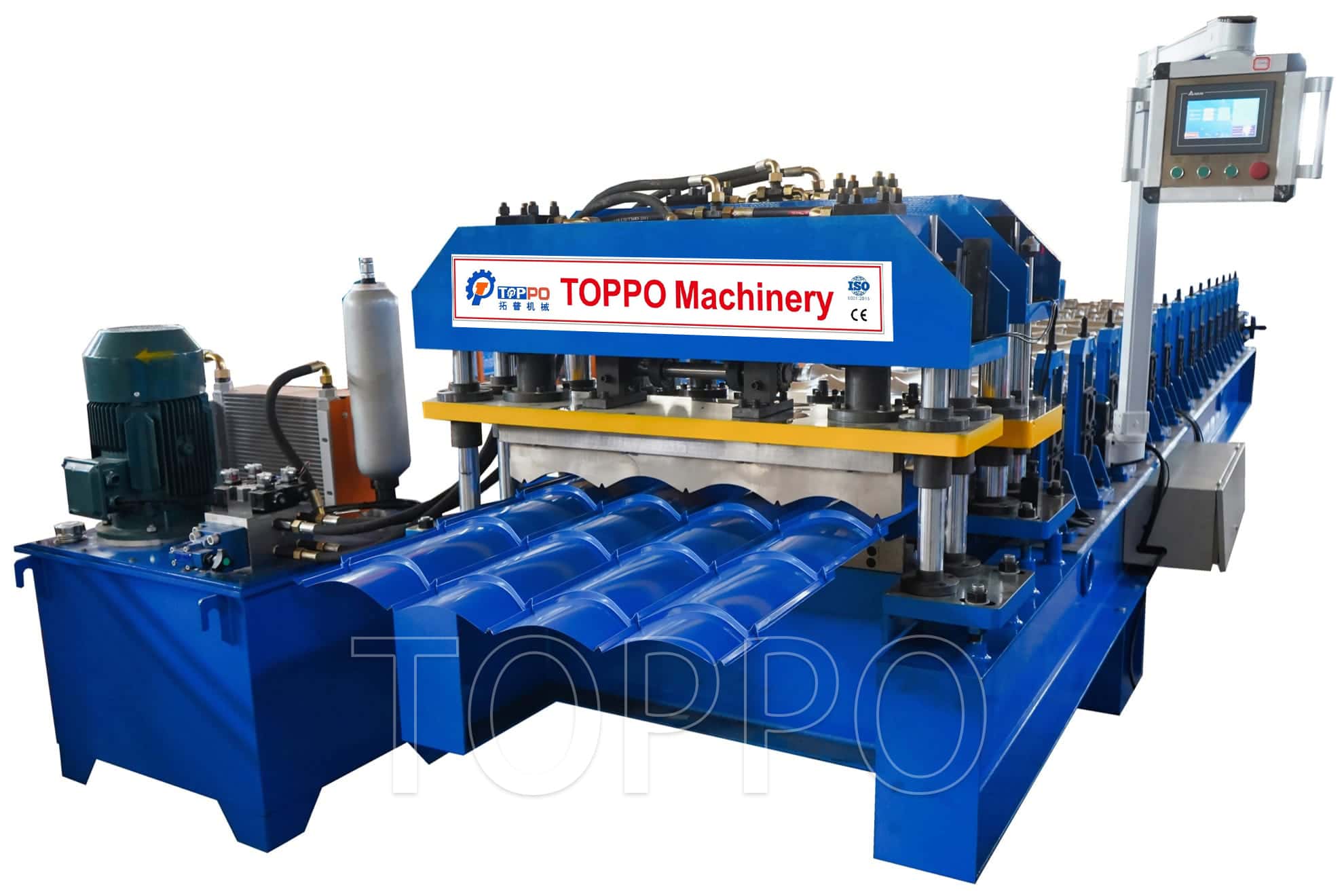
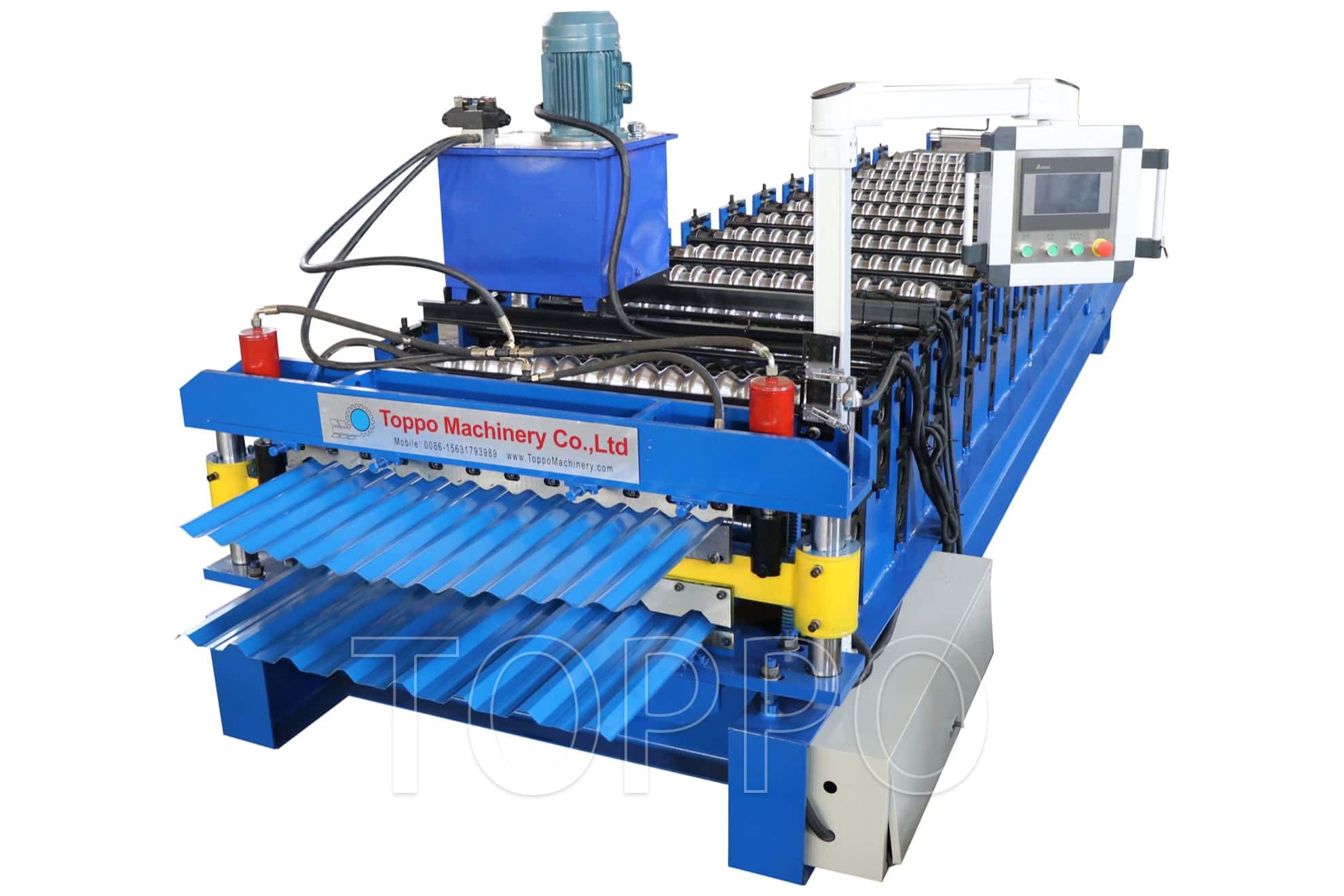
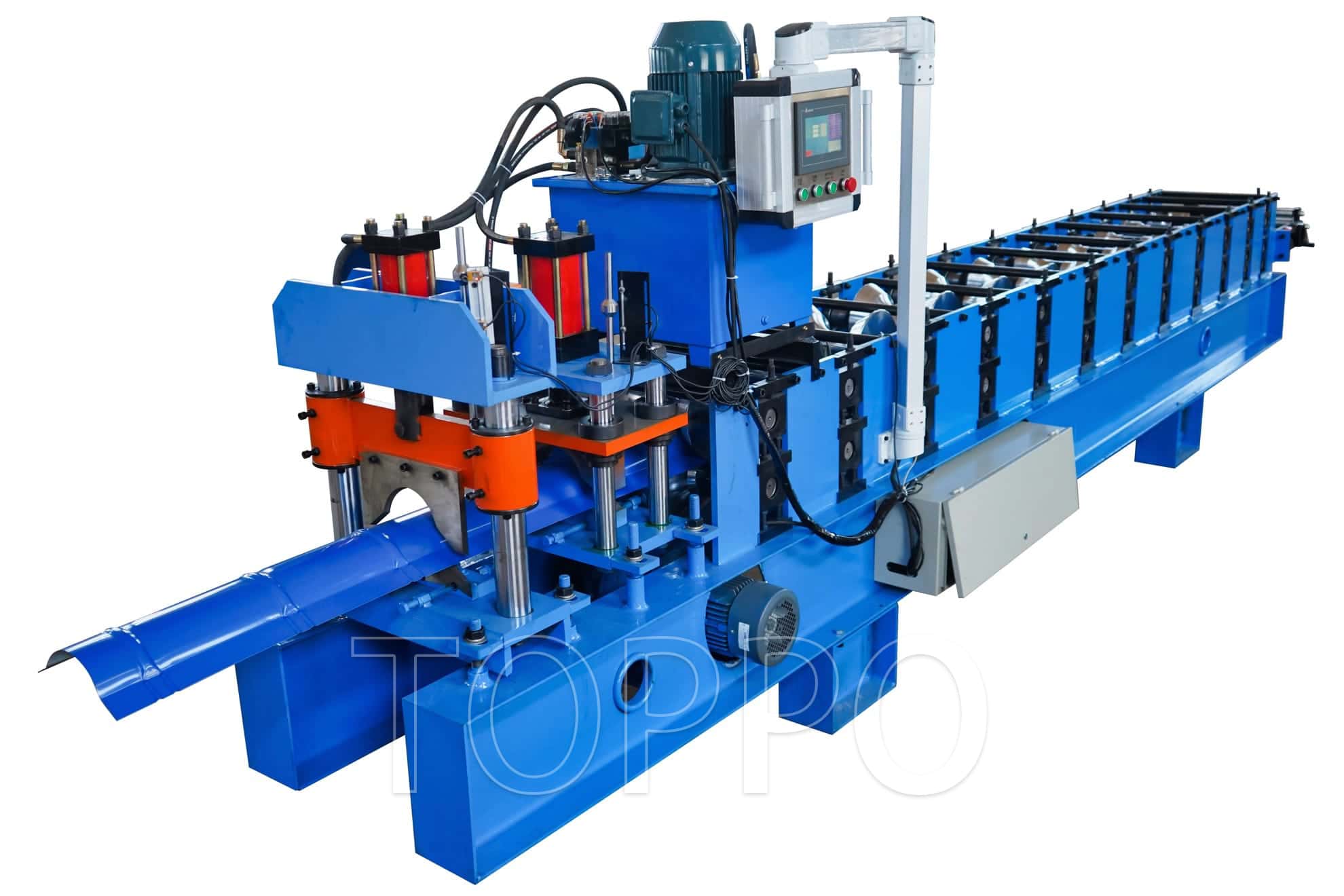
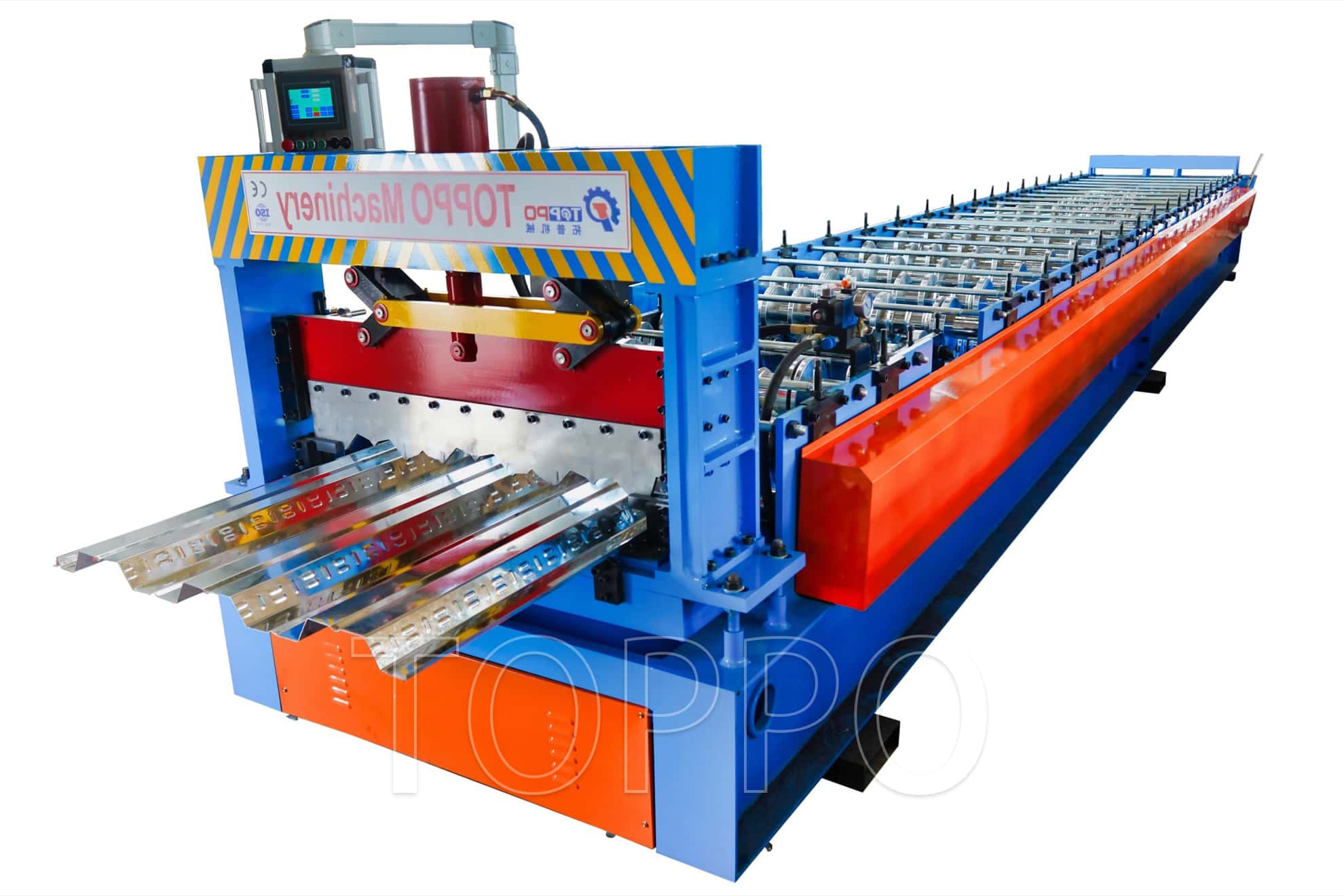
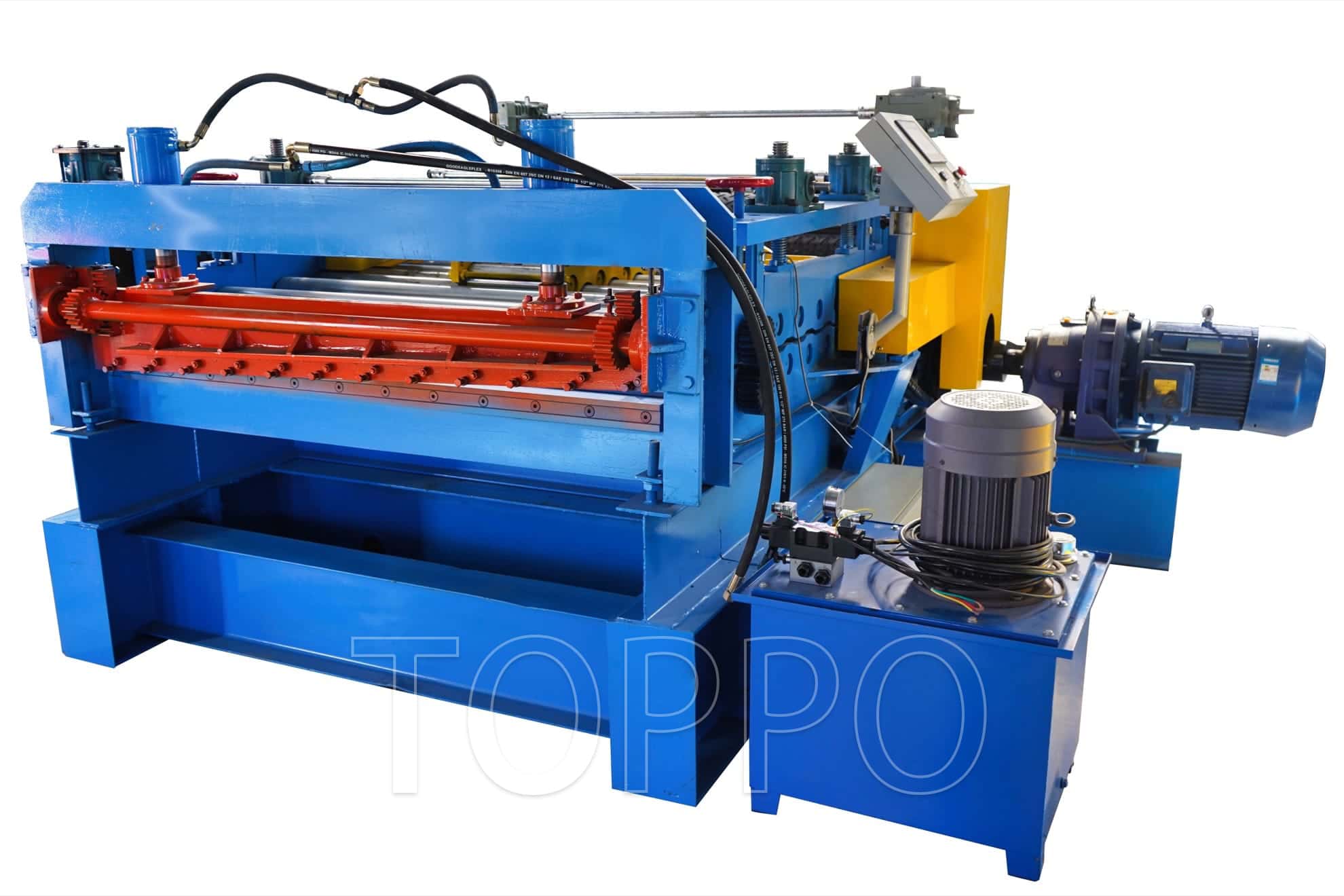
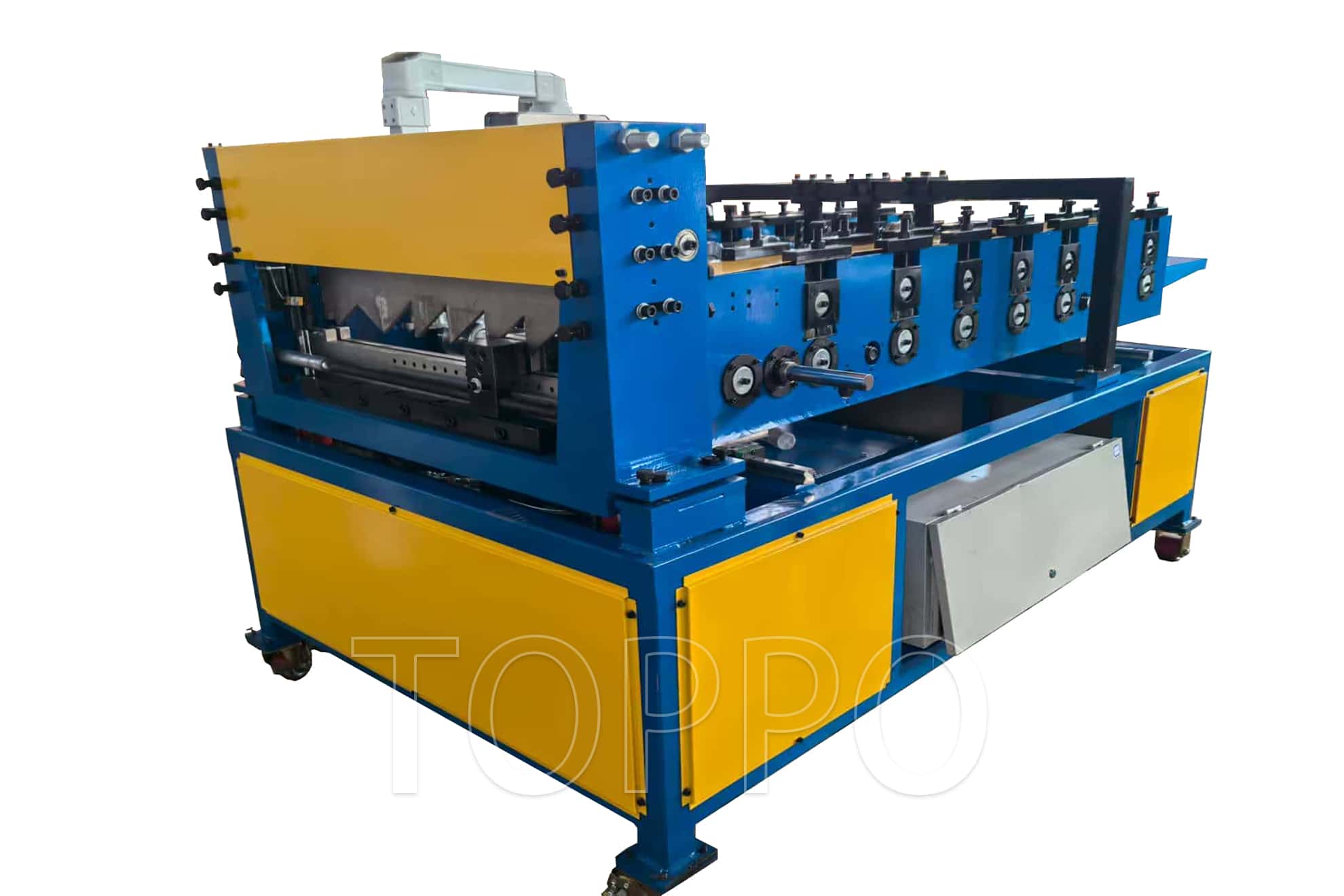
The adoption of automated equipment dramatically lowers labor needs. A modern roof panel making machine integrates forming, cutting, and control functions into a single system, reducing the need for manual adjustments.
The automatic custom c z steel purlin roll forming machine further enhances efficiency by automating profile changes and punching operations, allowing one operator to oversee multiple processes.
Typical Staffing for an Automated Roll Forming Line
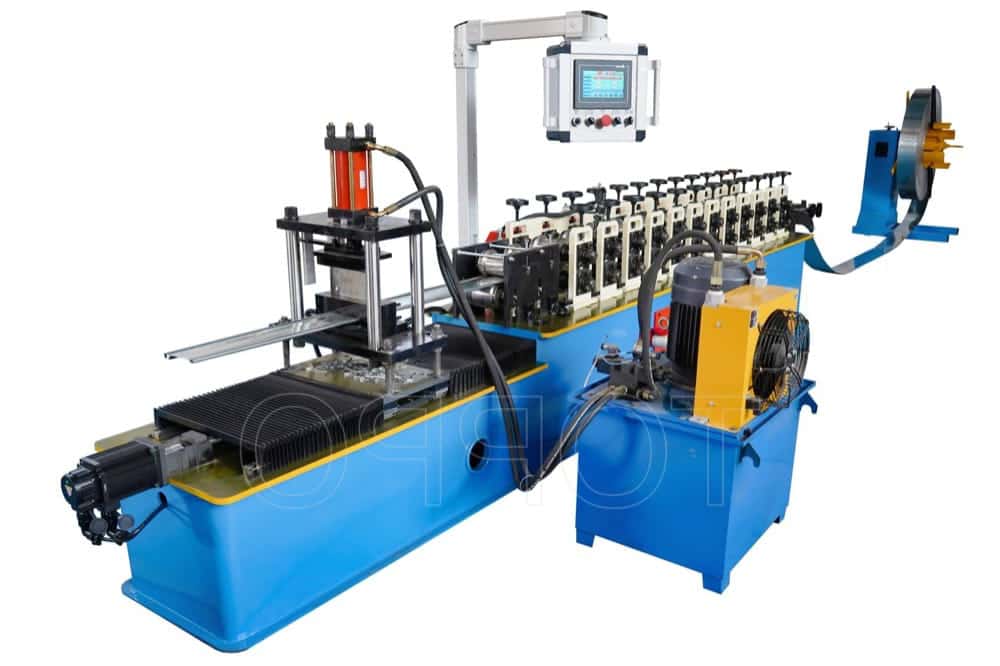
In an automated roofing production line, staffing is streamlined into a few essential roles:
One operator managing the PLC system and monitoring production parameters.
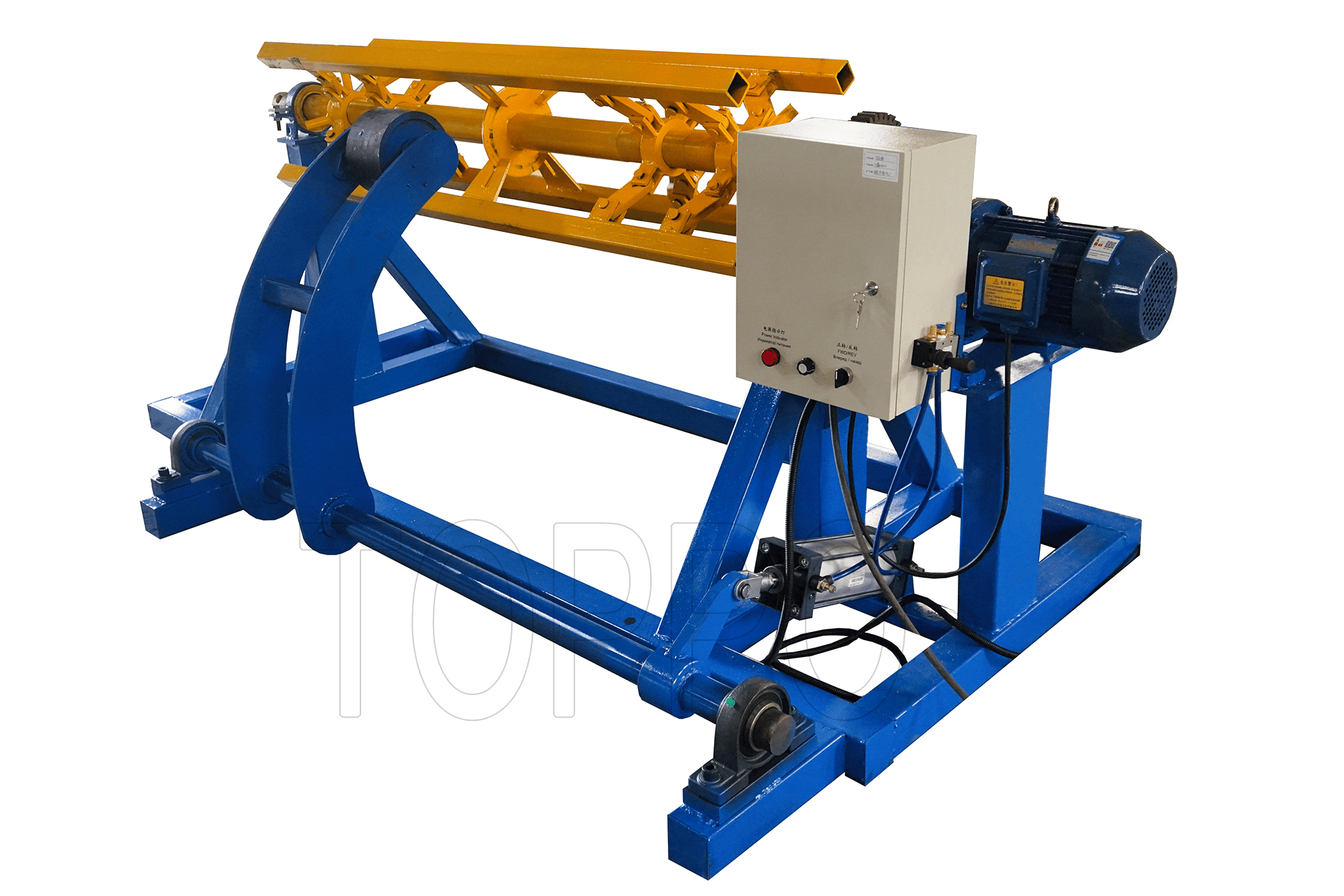
One worker responsible for raw material loading and coil alignment.
One worker handling finished product stacking and packaging.
With a reliable c z steel purlin roll forming machine, this small team can maintain stable and continuous production.
Improved Productivity and Cost Control
Reducing workforce size leads to immediate labor cost savings and simpler operational management. Automation also minimizes human error, resulting in fewer defects and less rework.
Equipment such as a roof panel making machine ensures consistent quality across shifts, enabling accurate production planning and delivery scheduling.
Scalable Labor Planning for Future Growth
Automated roll forming lines allow manufacturers to scale output without significantly increasing labor. Additional shifts or extended operating hours can boost production while maintaining the same workforce size.
By combining intelligent automation with a high-performance c z steel purlin roll forming machine, roofing manufacturers build efficient, future-ready production systems.
Conclusion
The number of workers required to operate a roofing roll forming line depends largely on the level of automation. While traditional lines demand larger teams, automated solutions enable efficient operation with minimal staff. Investing in automation is a strategic move that supports cost control, productivity, and sustainable growth.
READ MORE: