Staffing Requirements for Operating a Modern Roofing Roll Forming Line
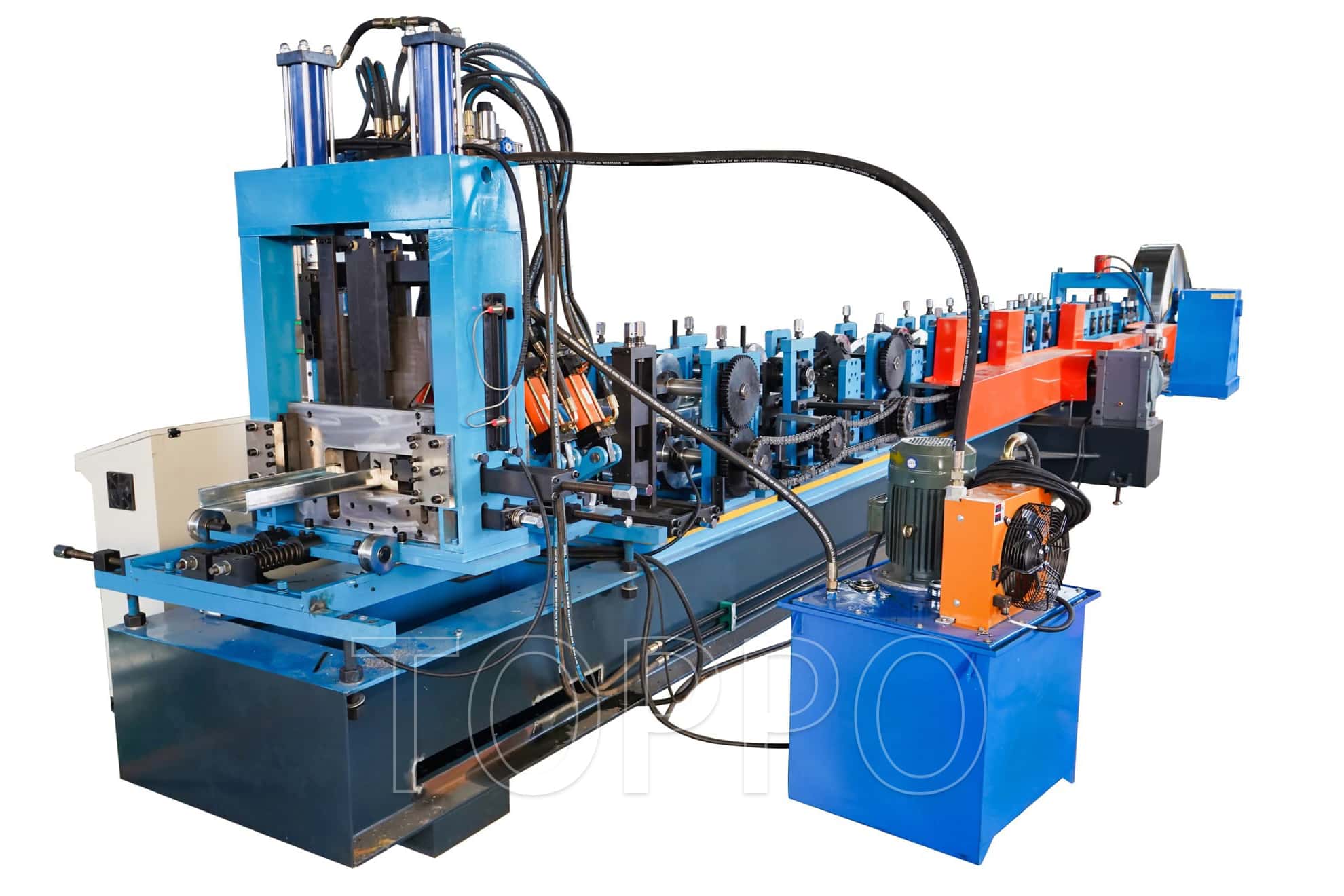
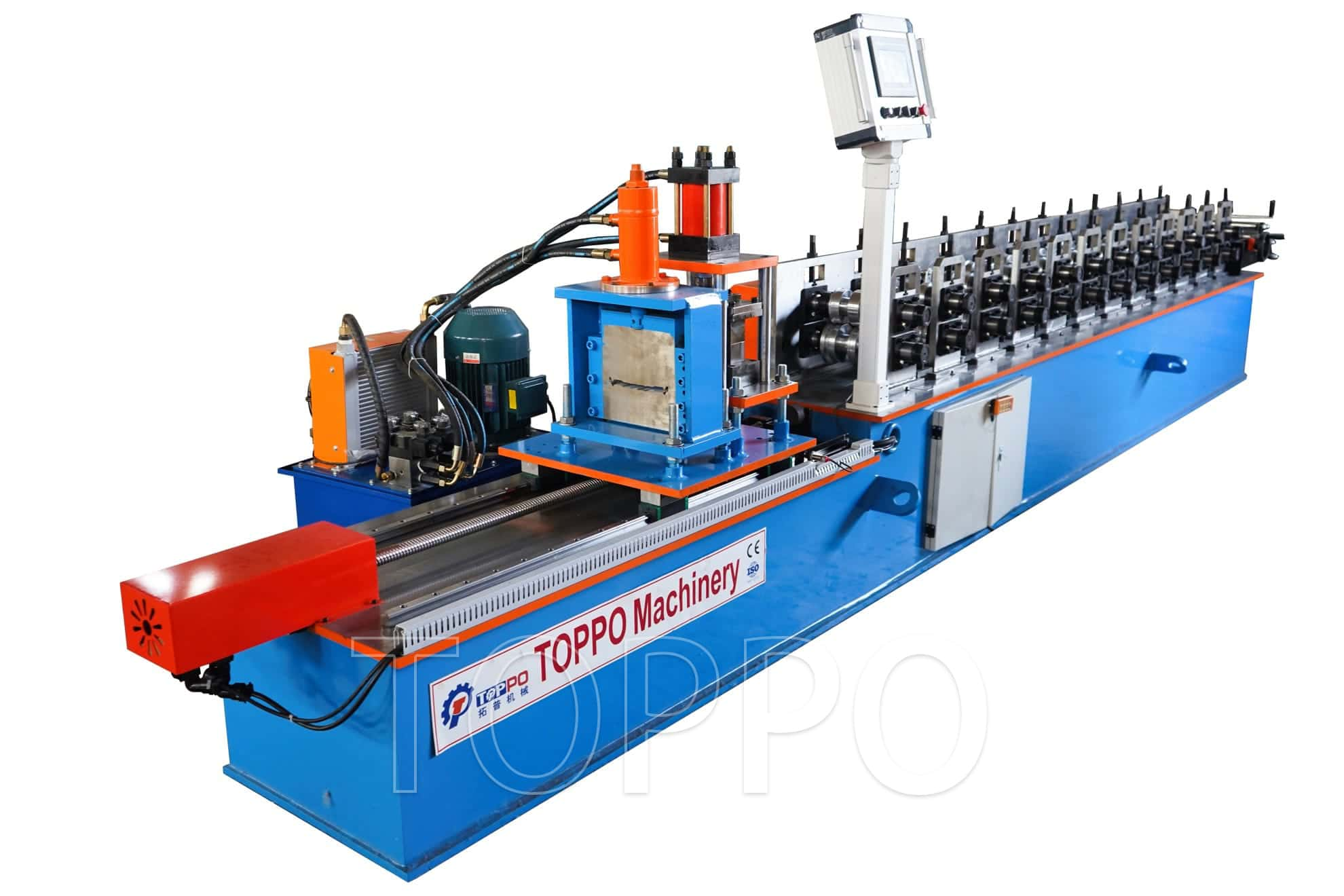
When planning a roofing production facility, one of the most important questions manufacturers ask is how many workers are needed to operate a roll forming line efficiently. Labor costs, productivity, and long-term scalability all depend on this decision. With advanced equipment such as the automatic custom c z steel purlin roll forming machine, workforce requirements today are significantly lower than in traditional production environments.
This article provides a detailed overview of staffing needs for a modern roofing roll forming line and explains how automation reshapes labor structures.
Labor Needs in Traditional Roofing Production
In conventional roll forming setups, many production steps rely on manual intervention. Workers are required for material feeding, roller adjustment, quality inspection, cutting, and stacking. Each task depends heavily on operator experience.
Without automation, a single roofing line may require 6 to 8 workers per shift, and productivity can vary widely depending on skill levels and fatigue.
How Automation Changes Workforce Requirements
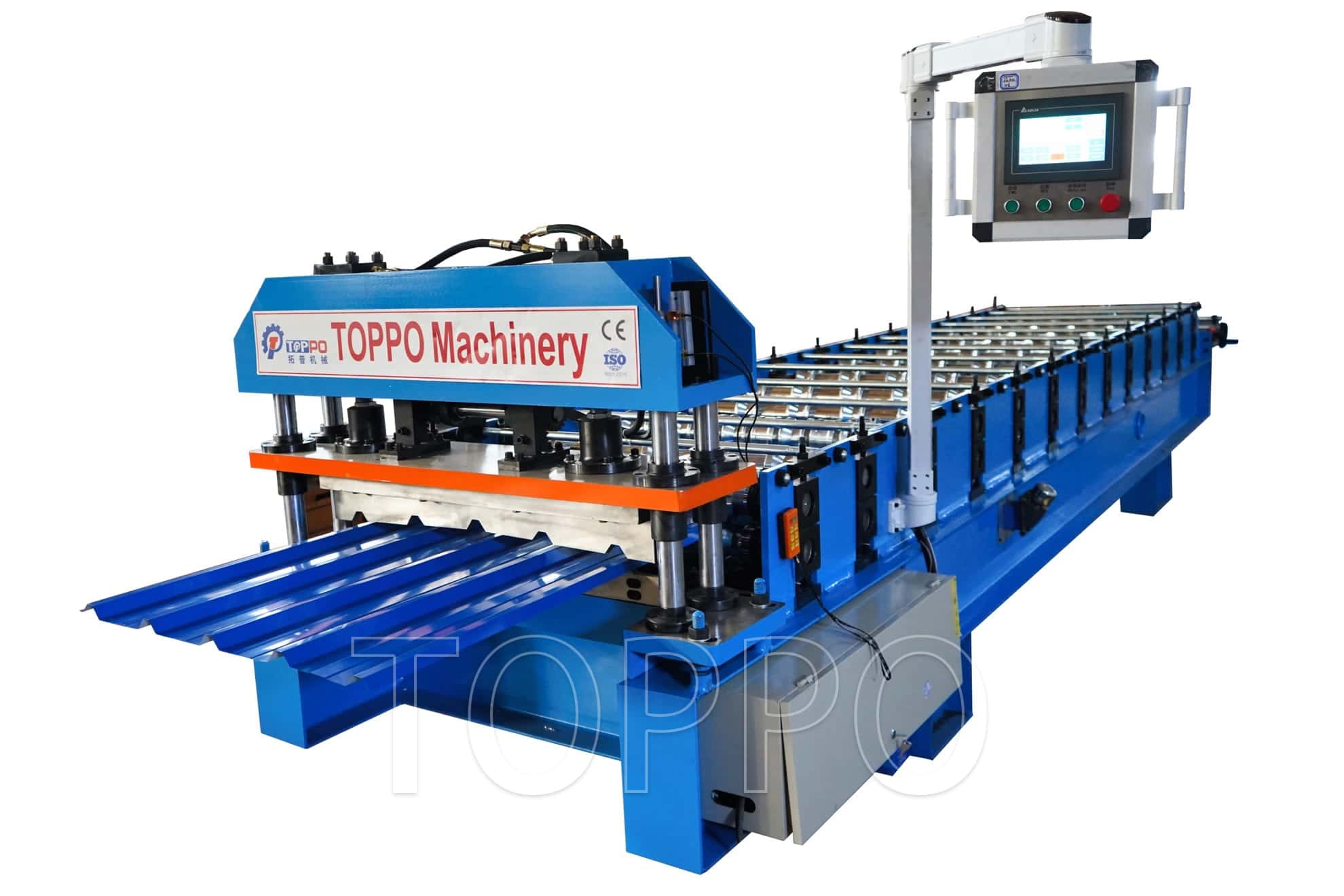
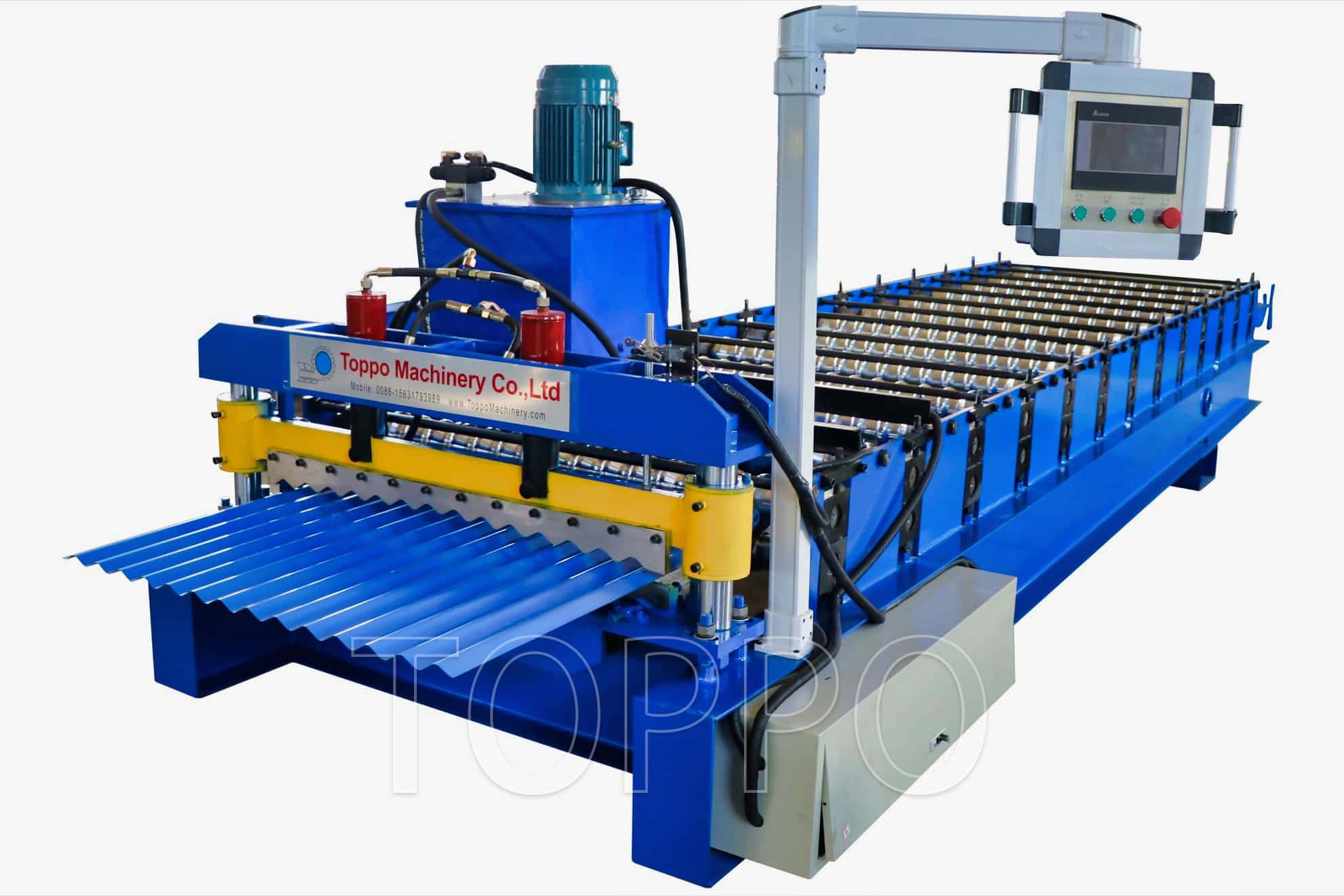
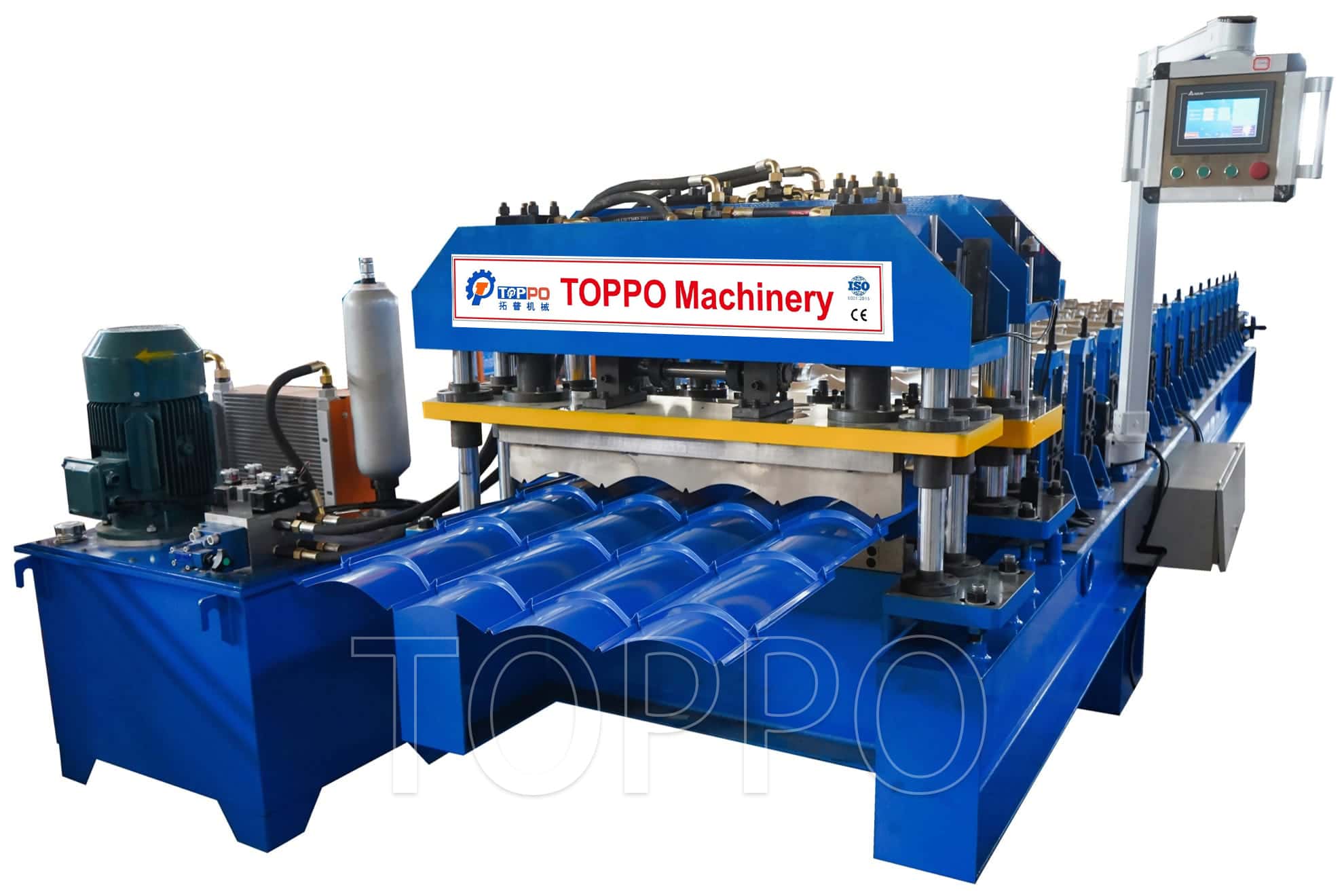
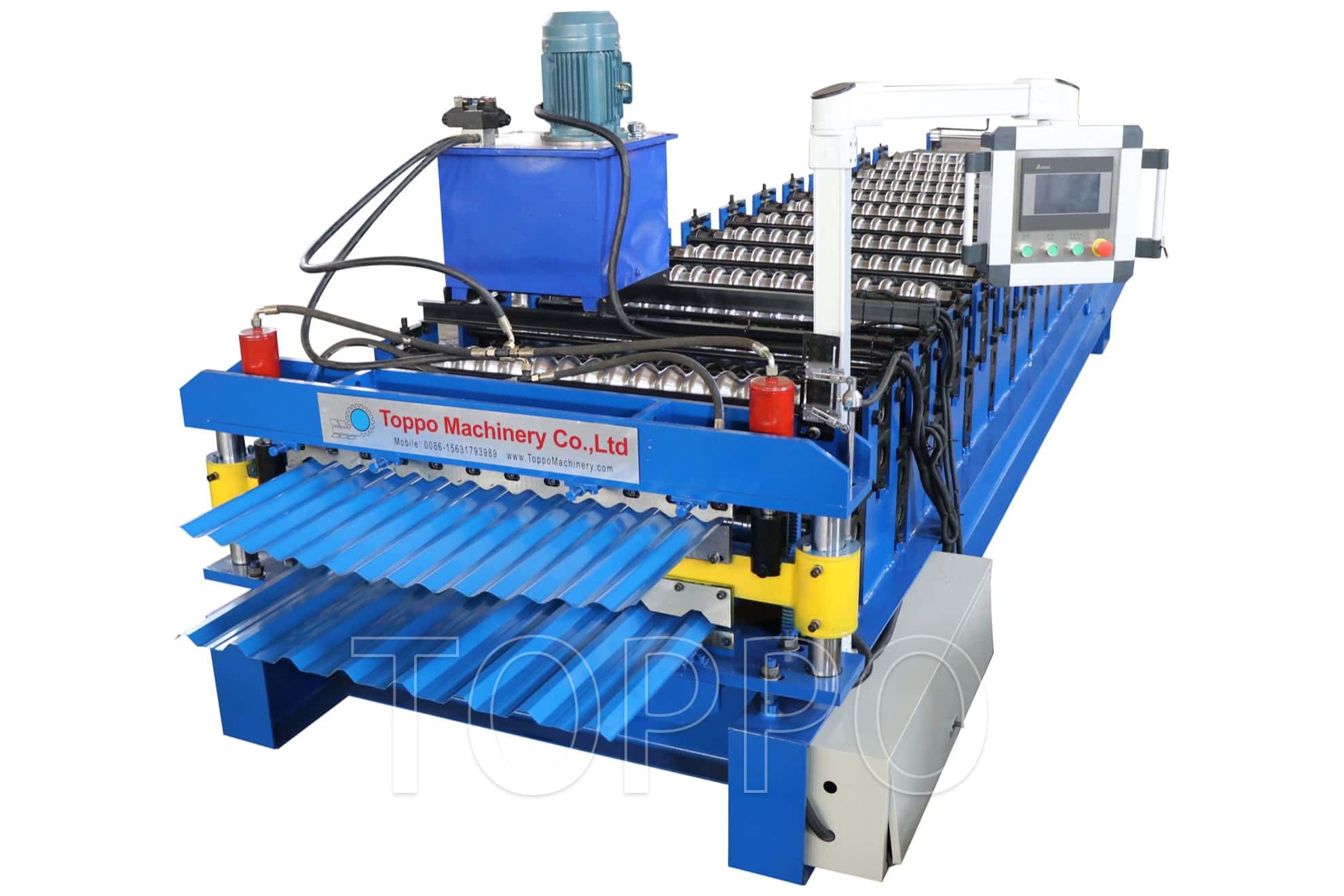
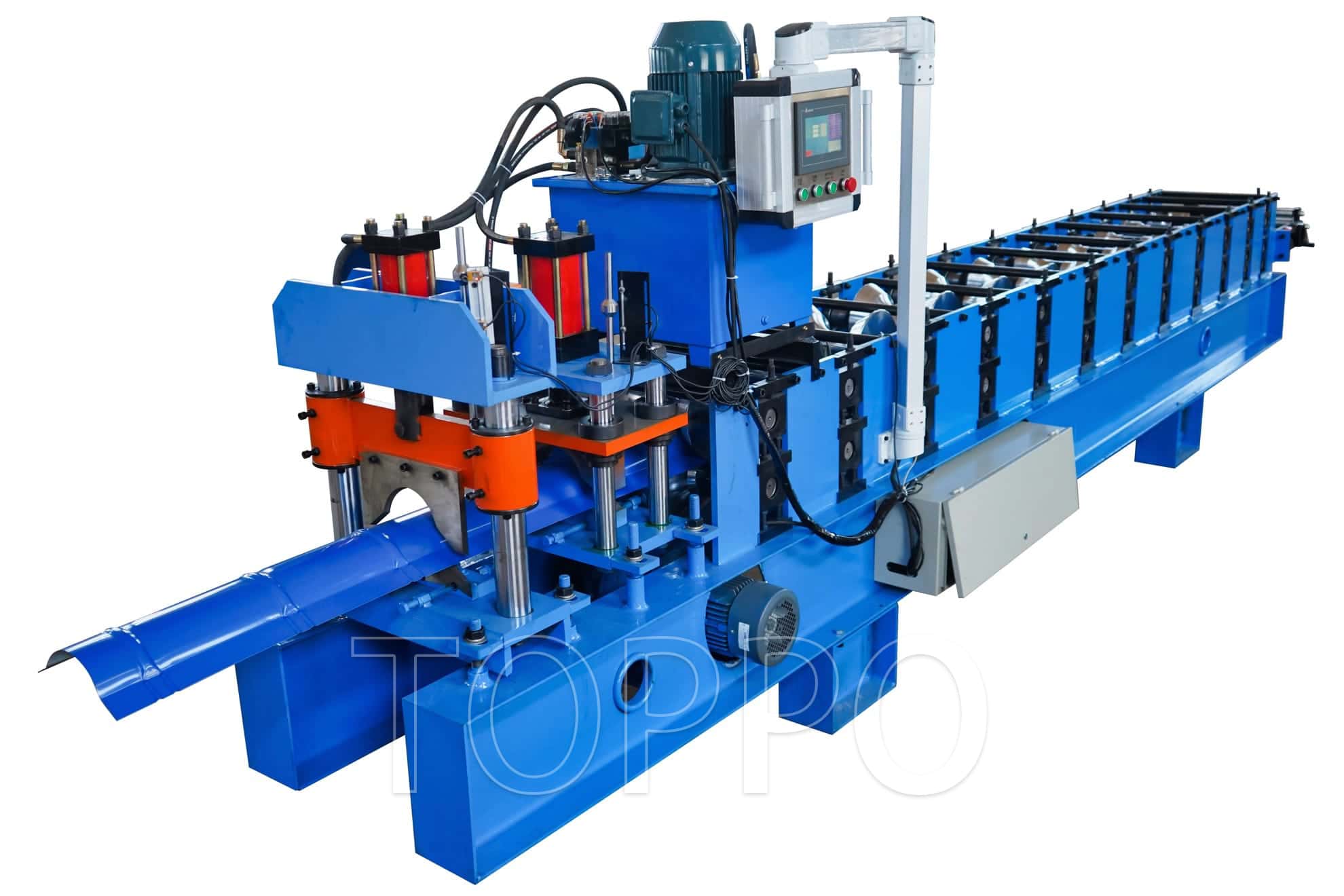
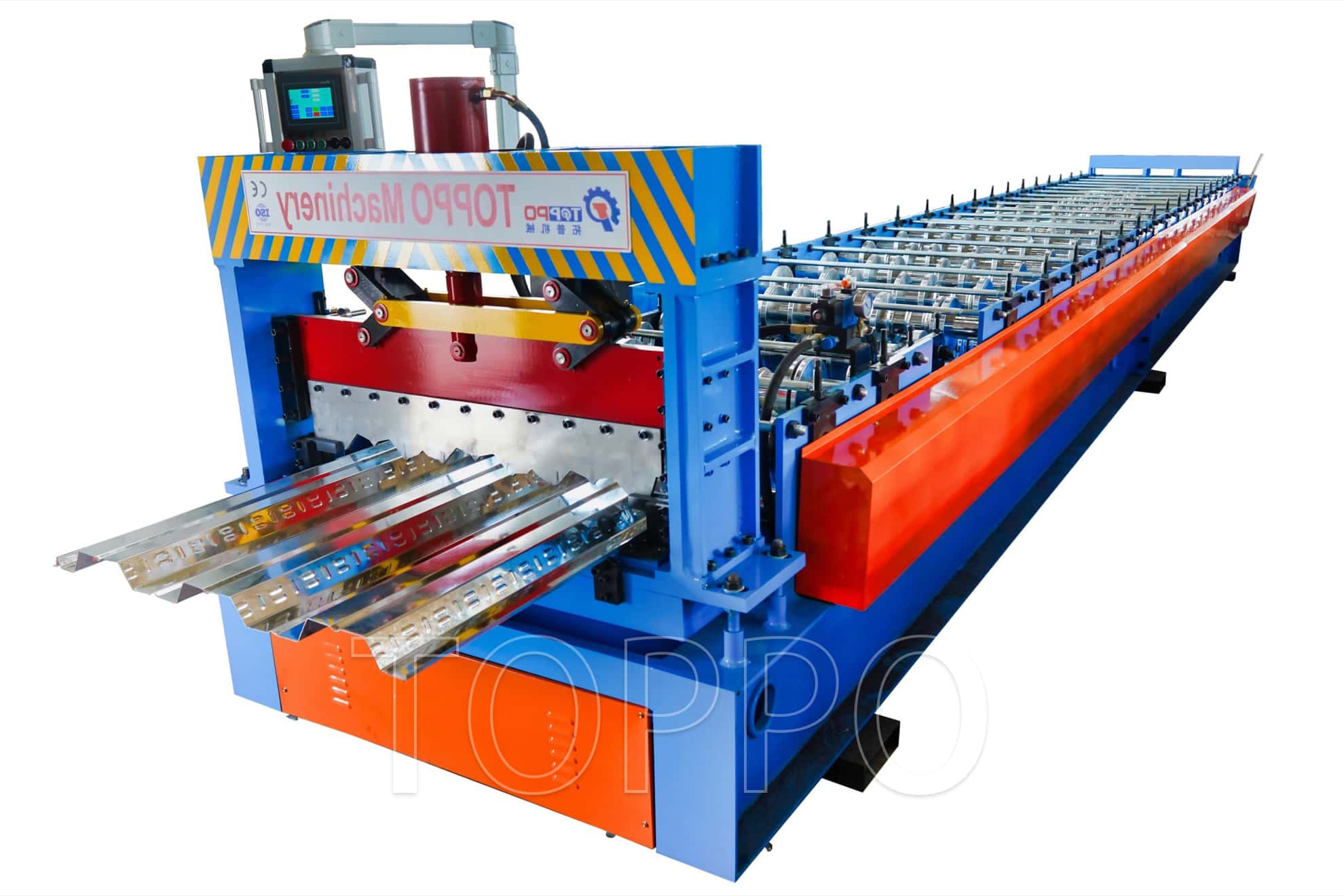
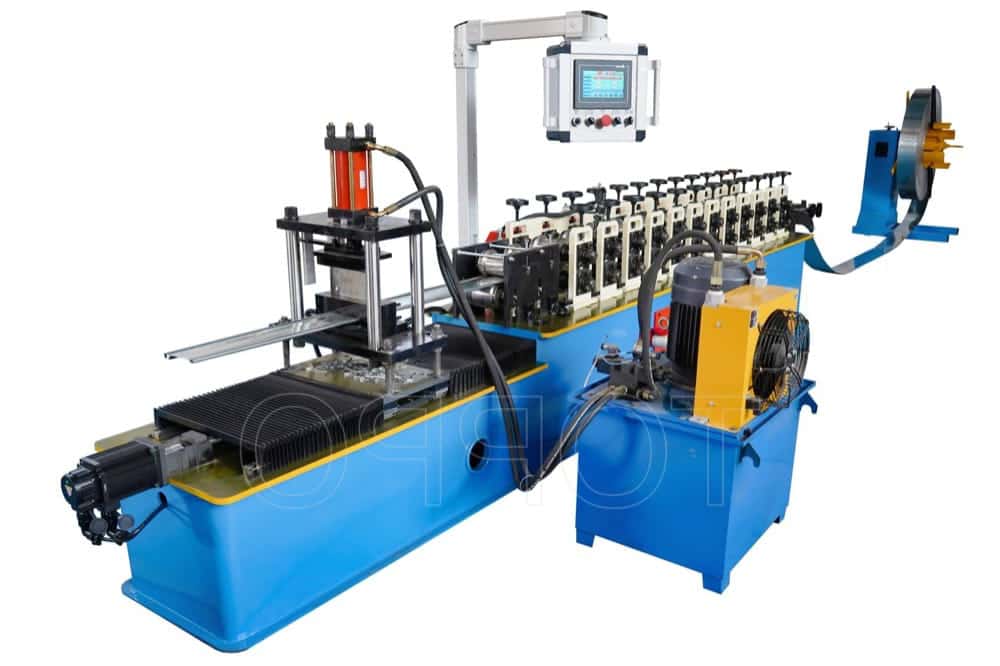
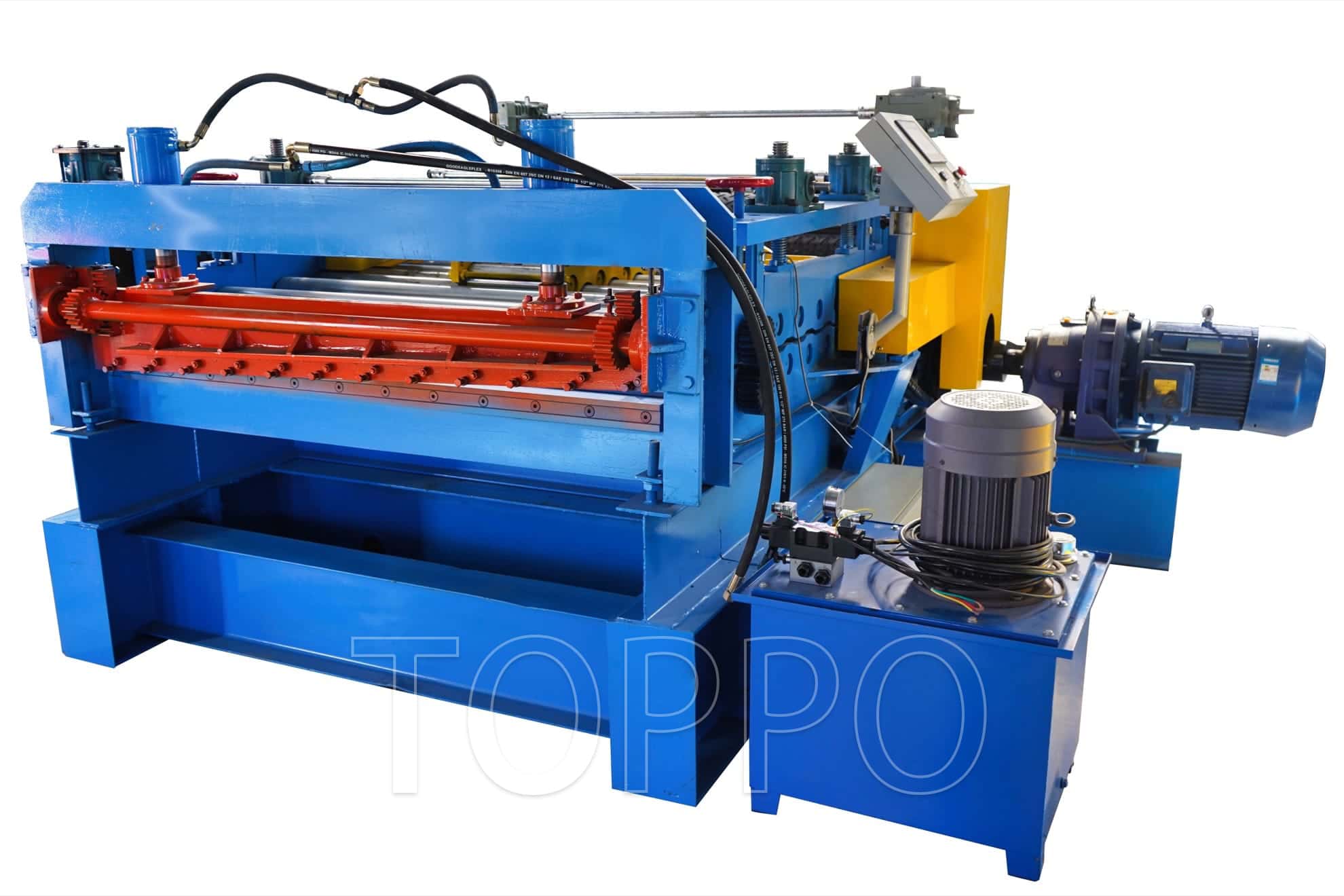
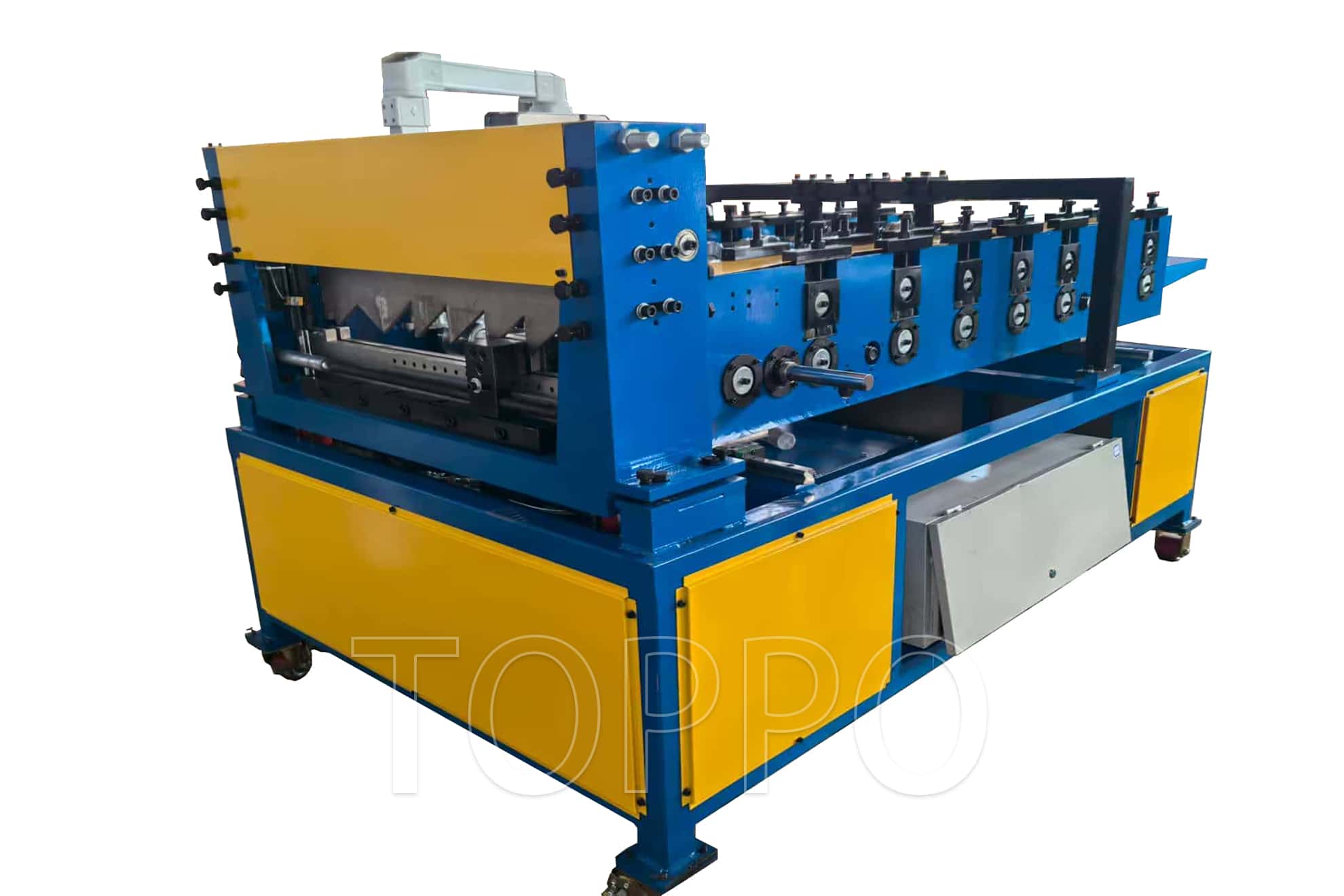
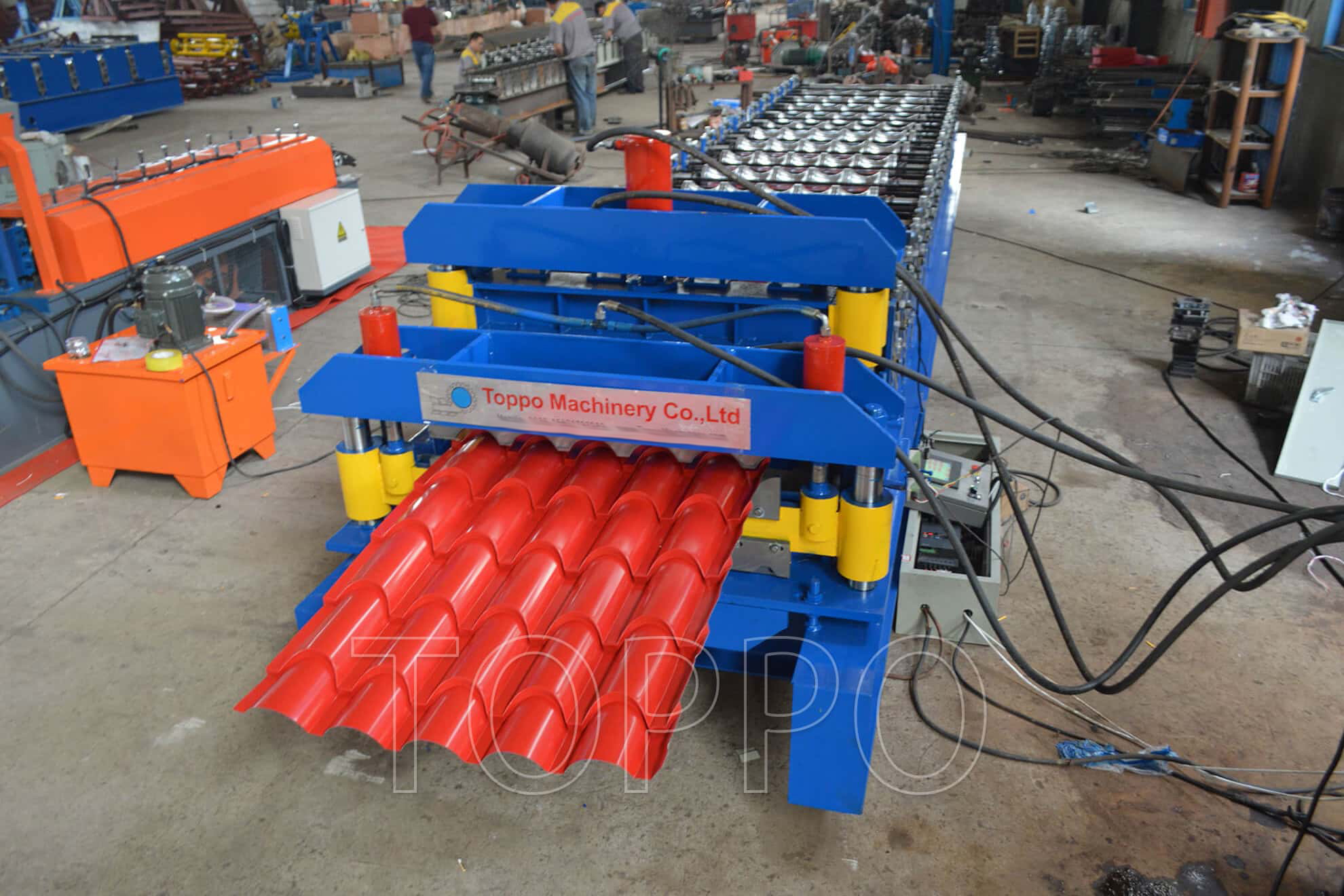
The introduction of automated systems dramatically reduces the number of workers needed. A fully integrated roof panel making machine can operate with just a few trained operators overseeing the entire process.
The automatic custom c z steel purlin roll forming machine automates profile adjustment, punching, and cutting, eliminating many manual tasks that previously required dedicated labor.
Typical Roles in an Automated Roll Forming Line
In a modern automated roofing line, staffing is streamlined into clearly defined roles:
One main operator responsible for PLC control and production monitoring.
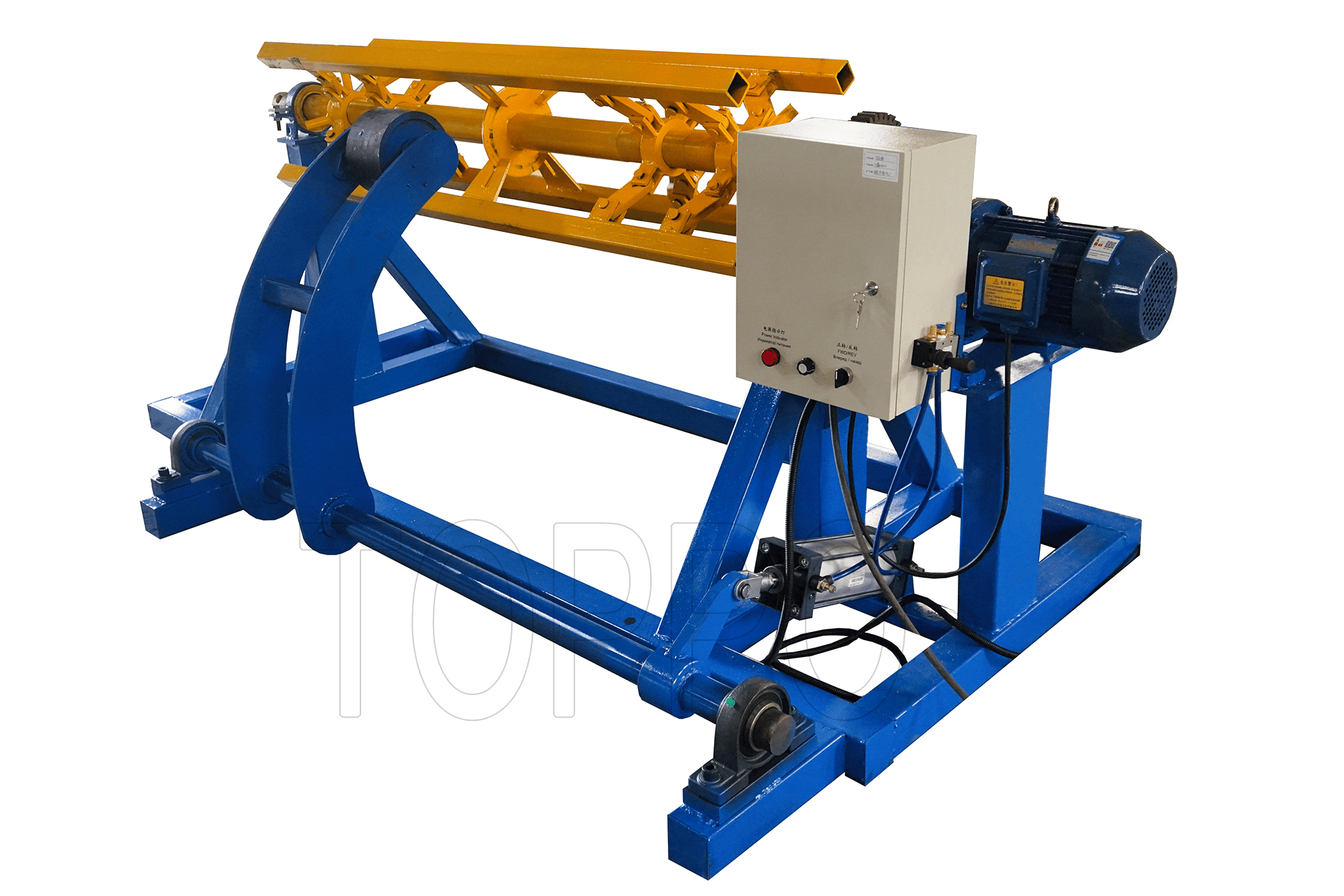
One worker managing coil loading and material alignment.
One worker handling finished product stacking and packaging.
With a reliable c z steel purlin roll forming machine, this small team can maintain stable, continuous production.
Labor Cost Savings and Productivity Gains
Reducing workforce size leads directly to lower labor costs and simplified management. Fewer workers also mean reduced training time and less dependency on highly skilled labor, which can be scarce in many regions.
Automated equipment such as a roof panel making machine ensures consistent output across shifts, allowing manufacturers to plan production schedules more accurately.
Scalability and Long-Term Planning
As order volumes grow, manufacturers using automation can increase output by extending operating hours or adding shifts without significantly increasing labor. This scalability is a major advantage in competitive markets.
By combining intelligent controls with a high-performance c z steel purlin roll forming machine, roofing manufacturers build production lines that support long-term growth.
Conclusion
The number of workers required to run a roofing roll forming line depends largely on the level of automation. While traditional lines need large teams, modern automated solutions allow efficient operation with minimal staff. Investing in advanced roll forming technology is a strategic step toward lower costs, higher productivity, and sustainable manufacturing success.
READ MORE: